
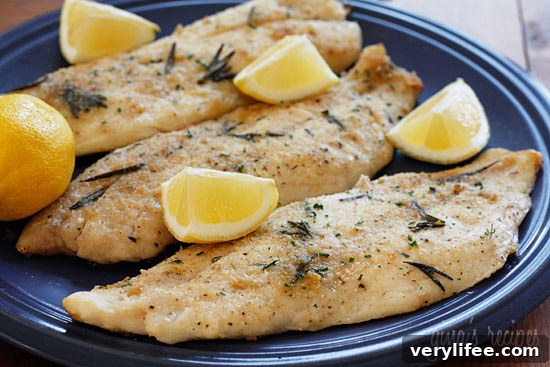
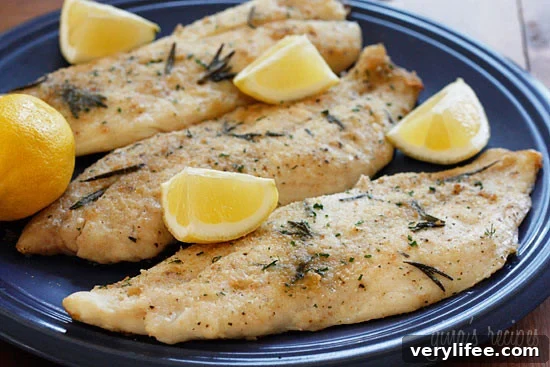
Roasted snapper fillets brushed with olive oil, garlic and fresh rosemary, finished with a light dusting of seasoned breadcrumbs—an easy and flavorful dish you can roast in the oven or cook on the grill. Ready in under 30 minutes, this recipe pairs beautifully with a simple cucumber and tomato salad or a side of steamed vegetables for a quick weeknight dinner or a relaxed weekend meal.
Snapper is a delicate white fish with a fine texture that responds well to fresh herbs and bright seasoning. I originally used red snapper for this preparation because it has long been one of my favorites. After making the dish I learned that red snapper has been overfished and appears on some concern lists, which explains its higher price in many markets. That discovery was upsetting, but it also felt like a good moment to talk about sustainable seafood choices and how we can make more responsible decisions when buying fish.
When I first heard about sustainable seafood, I wasn’t sure exactly what it meant. In short, sustainable seafood comes from fisheries or farms managed to avoid overfishing, protect habitat, and minimize pollution so that the surrounding marine ecosystem remains healthy. As shoppers, we can support sustainable practices by choosing fish from responsibly managed sources, asking our fishmonger about origins and fishing methods, and selecting alternatives when a species is known to be overfished. I plan to follow these practices moving forward and recommend others do the same.
For those who enjoy snapper but want more sustainable options, there are alternatives worth considering. Mutton snapper, rainbow snapper and yellowtail snapper are commonly suggested as better choices in many sustainable seafood guides. Next time you buy fish, ask your fishmonger for recommendations and for fillets with the skin left on—skin helps hold the fillet together during cooking and adds a little extra flavor and texture.
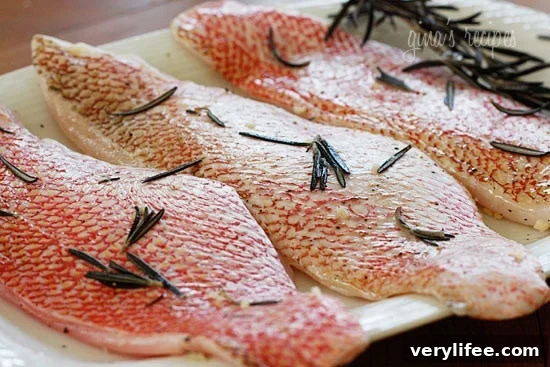
Roasted Snapper Fillet
Yield
3 servings — about 6 oz cooked per serving
Ingredients
- 3 snapper fillets, about 8 oz each (skin on, if possible)
- 2 tsp olive oil, plus 1 tsp for rubbing
- 3 cloves garlic, minced or pressed
- 2 tbsp fresh rosemary or fresh oregano, finely chopped
- Kosher salt and freshly ground black pepper, to taste
- 1 tbsp Italian seasoned breadcrumbs
- Fresh lemon wedges, for serving
Instructions
- Preheat the oven to 450°F (230°C).
- Rinse the fillets and pat them very dry with paper towels to ensure proper browning.
- Line a broiler rack or baking sheet with aluminum foil for easy cleanup and lightly spray or brush with oil so the fish won’t stick.
- Rub each fillet with 1 tsp olive oil, then season with kosher salt, freshly ground pepper, minced garlic and chopped rosemary (or oregano).
- Place the fillets skin-side down on the prepared rack or baking sheet and sprinkle the tops with the seasoned breadcrumbs.
- Drizzle the remaining olive oil over the fillets and bake for about 15–20 minutes, or until the fish flakes easily with a fork and is opaque throughout. Cooking time will vary slightly depending on fillet thickness. For a grill option, cook skin-side down over medium-high heat until cooked through, about 4–6 minutes per side depending on thickness.
- Serve immediately with lemon wedges and your choice of sides.
Notes & Tips
- Skin-on fillets hold together better and add flavor; score the skin lightly if grilling to prevent curling.
- Keep an eye on oven time—overcooking dries the fish. Start checking at 12–15 minutes for thinner fillets.
- Substitute fresh herbs to vary the flavor: basil, tarragon or parsley all work well.
- Ask your fishmonger about the fish’s origin and the method used to catch it; choosing responsibly sourced fish supports healthier oceans.
- Leftovers store in an airtight container in the refrigerator for up to 2 days. Reheat gently to avoid drying out the fillet.
Nutrition (approximate per serving)
Calories: 257 kcal | Protein: 45 g | Carbohydrates: 3 g | Fat: 6 g | Fiber: 0.2 g | Sodium: varies with added salt
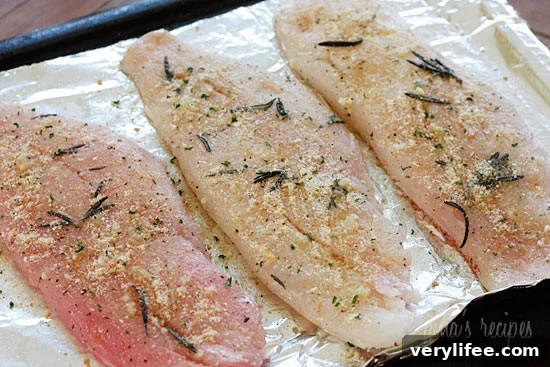
This roasted snapper fillet is an easy, elegant dish that highlights fresh herbs and bright citrus. It makes a healthy, satisfying main course for family dinners or when you want something quick yet special. By choosing sustainably sourced fish or suitable alternatives, you can enjoy this recipe while supporting practices that protect marine life and future seafood supplies.