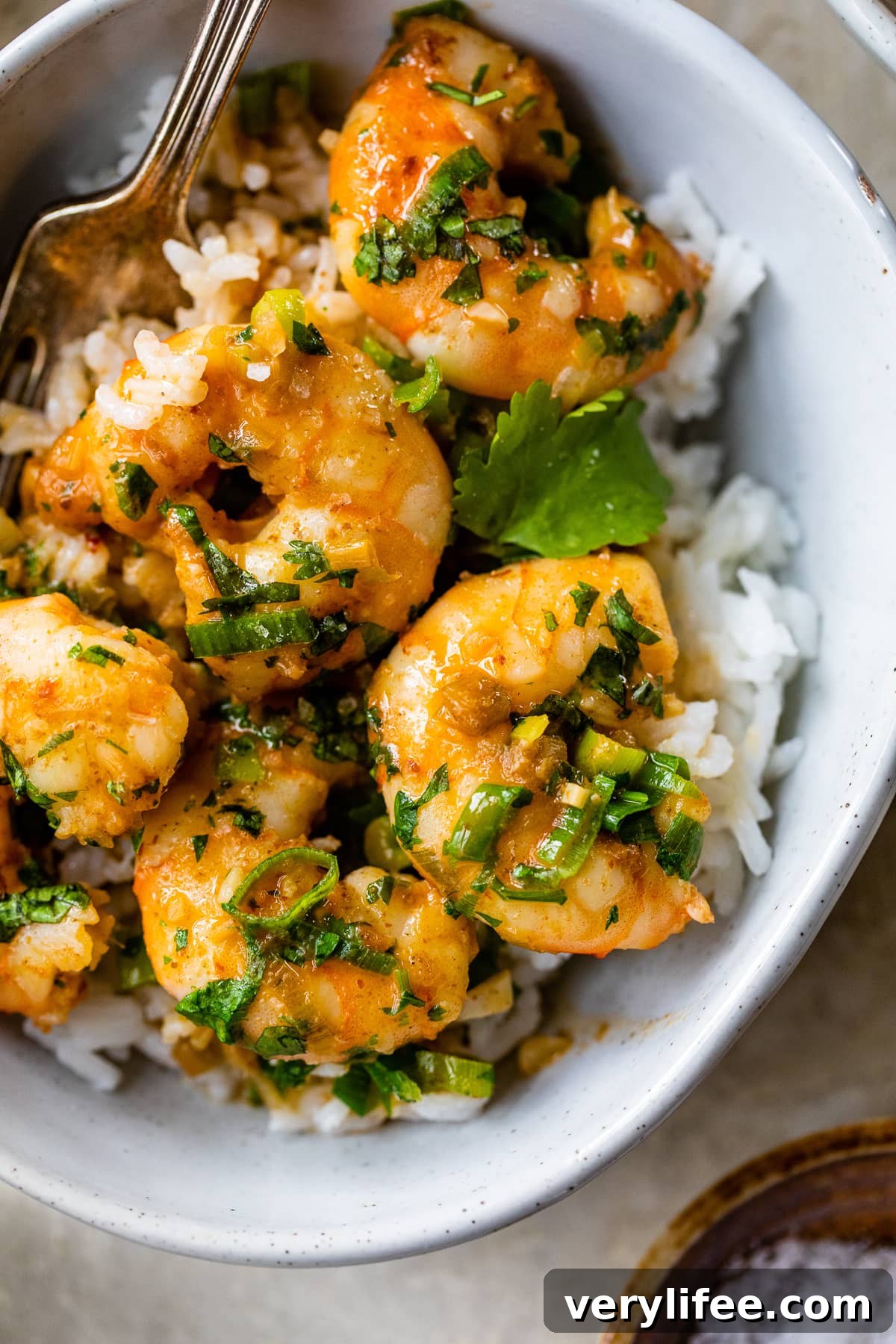
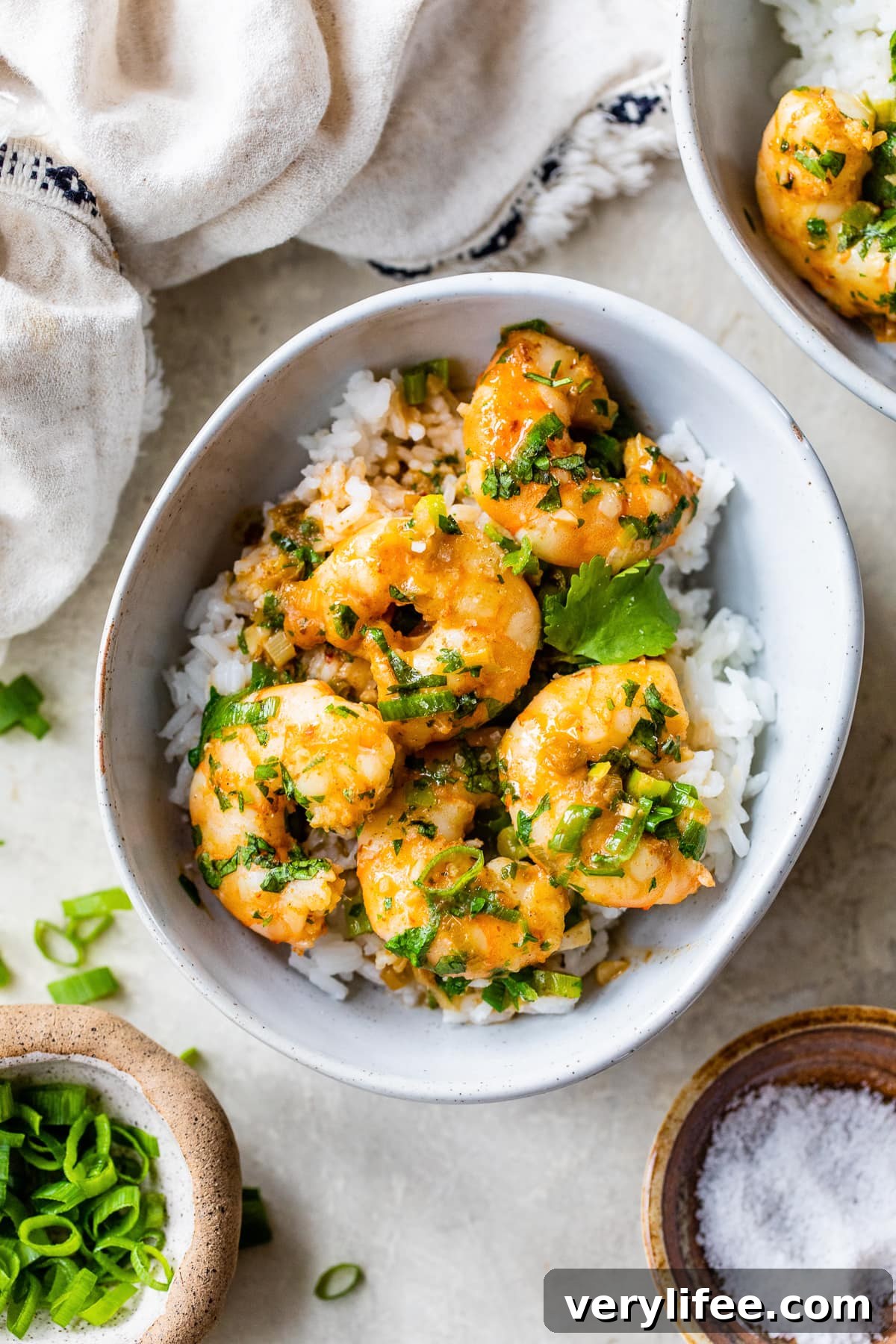
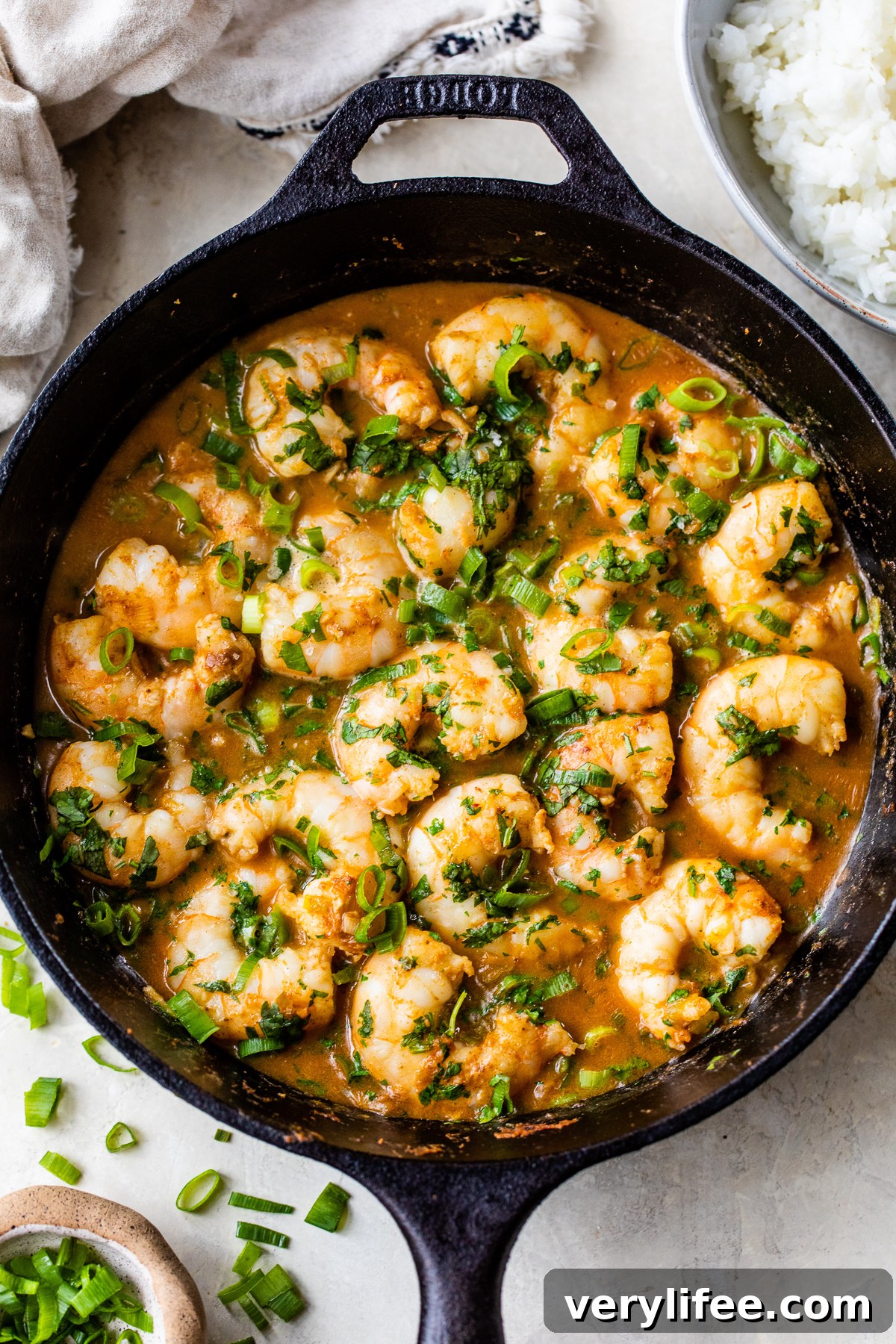
If you love Thai flavors, this Red Thai Coconut Curry Shrimp delivers a quick, satisfying meal that balances sweet, spicy, and savory notes. Creamy coconut milk, fragrant red curry paste, and a touch of fish sauce create a silky sauce that coats tender shrimp—perfect served over jasmine rice or a low‑carb alternative like cauliflower rice.
Red Curry Shrimp
This Red Thai Coconut Curry Shrimp is an easy weeknight dish that tastes like restaurant curry but comes together in about 15 minutes. The base is Thai red curry paste, which usually contains red chilies, lemongrass, galangal or ginger, shallot, and kaffir lime. Combined with coconut milk and a splash of fish sauce, the result is bright, creamy, and balanced.
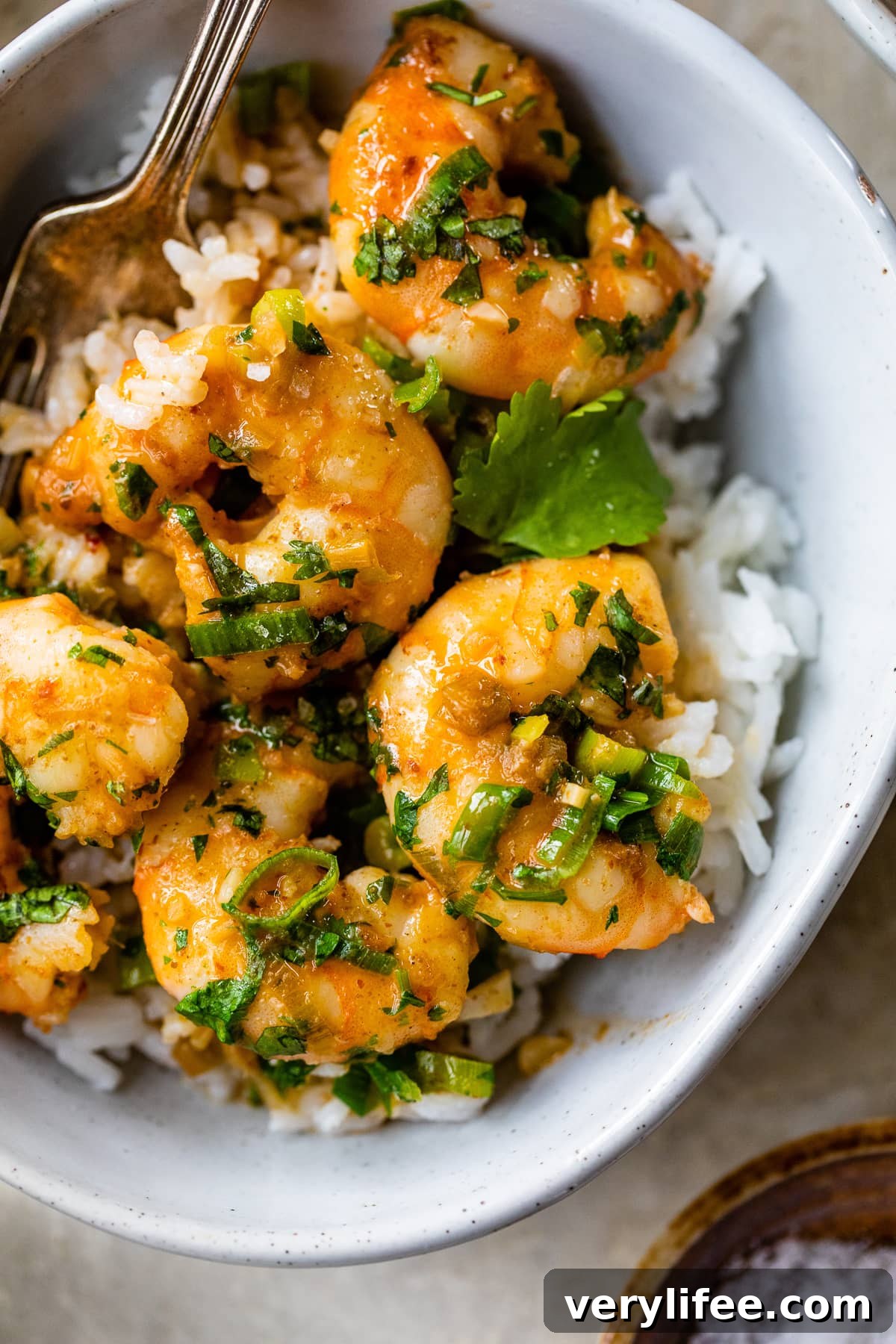
If you haven’t cooked with fish sauce before, a little goes a long way. Though its aroma can be strong by itself, when mixed into coconut curry it adds an indispensable umami depth. If you prefer milder seasoning, start with half the fish sauce and adjust to taste.
Thai Shrimp Curry Variations
- Add vegetables: Include bell peppers, spinach, mushrooms, snap peas, onions, or carrots for color, crunch, and extra nutrients.
- Aromatics and citrus: Fresh ginger or galangal and a squeeze of lime juice brighten the sauce. Lime wedges on the side let each person adjust acidity.
- Other curry pastes: Swap red curry paste for green or yellow curry paste to change the flavor profile and heat level.
- Fresh herbs: Finish with chopped cilantro, Thai basil, scallions, or chives for freshness and aroma.
How To Serve
Serve the curry over steamed jasmine rice for a classic pairing. For a lower‑carb or paleo option, cauliflower rice or cooked quinoa also work well. Garnish with fresh herbs and extra lime wedges. Leftovers keep well in an airtight container in the refrigerator for up to 3 days; reheat gently on the stove so the coconut milk doesn’t separate.
How To Cook Shrimp
Shrimp cook very quickly and become rubbery if overcooked. To sauté: heat a small amount of oil in a skillet over medium‑high heat, add the shrimp, and cook about 2–3 minutes per side until they turn pink and opaque. Remove from heat as soon as they’re done and finish the sauce if needed.
More Thai-Inspired Recipes
- Drunken Noodles with Shrimp
- Broiled Tilapia with Thai Coconut Curry Sauce
- Spicy Thai Shrimp Salad
- Thai Basil Chicken
- Thai Chicken and Pineapple Stir Fry
Red Thai Coconut Curry Shrimp — Recipe
Yield: 4 servings • Prep: 5 mins • Cook: 10 mins • Total: 15 mins
Nutrition (per serving): Calories 136 • Protein 16 g • Carbs 5 g • Fat 5 g • Fiber 1 g • Sodium 1059 mg
Ingredients
- 1 teaspoon oil
- 4 medium scallions, whites and greens separated, chopped
- 1 tablespoon Thai red curry paste (or more to taste)
- 2 cloves garlic, minced
- 1 pound shrimp, peeled and deveined
- 6 ounces canned light coconut milk
- 2 teaspoons Asian fish sauce
- 1/4 cup fresh cilantro or scallions, chopped
- Salt to taste
- Extra lime wedges, optional for serving
Instructions
- Heat a large nonstick skillet over medium‑high heat and add the oil.
- Add the white parts of the scallions and the Thai red curry paste. Sauté for about 1 minute until fragrant.
- Add the shrimp and minced garlic. Season lightly with salt and cook about 2 minutes, allowing the shrimp to brown slightly.
- Pour in the coconut milk and stir in the fish sauce, mixing until the paste is incorporated and the sauce is smooth.
- Let the shrimp simmer for 2–3 more minutes until fully cooked through and opaque.
- Remove from heat, stir in the scallion greens and chopped cilantro. Taste and adjust seasoning with salt or a squeeze of lime if desired.
- Serve immediately over jasmine rice, cauliflower rice, or noodles. Garnish with extra cilantro and lime wedges.
Notes and Tips
- Adjust the heat by increasing or decreasing the amount of red curry paste, or choose a milder paste if preferred.
- For more body in the sauce, use full‑fat coconut milk; for a lighter dish, choose light coconut milk as listed.
- If adding vegetables, sauté heartier vegetables (carrots, peppers) first, then add quick‑cooking greens near the end.
- To avoid overcooking shrimp, remove them from the heat as soon as they turn pink and opaque.
Please leave a rating or comment letting us know how this recipe worked for you; feedback helps improve recipes and makes them more useful for other home cooks.