
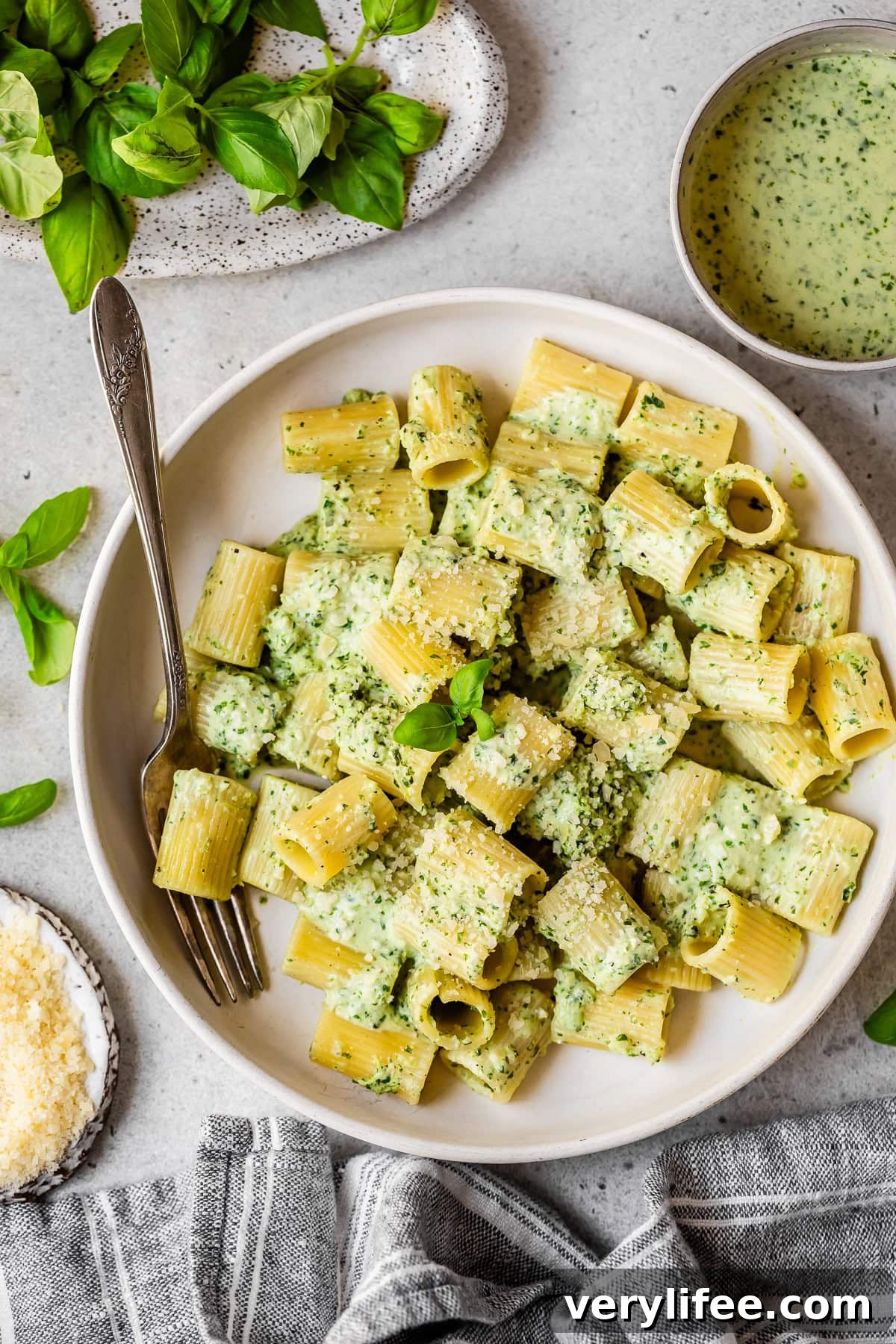
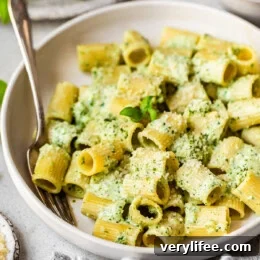
This Creamy Pesto Pasta made with cottage cheese is an easy way to boost protein without piling on calories. The cottage cheese is blended until completely smooth and then folded into basil pesto, creating a silky sauce where the cottage cheese flavor disappears and only the rich, bright pesto remains.
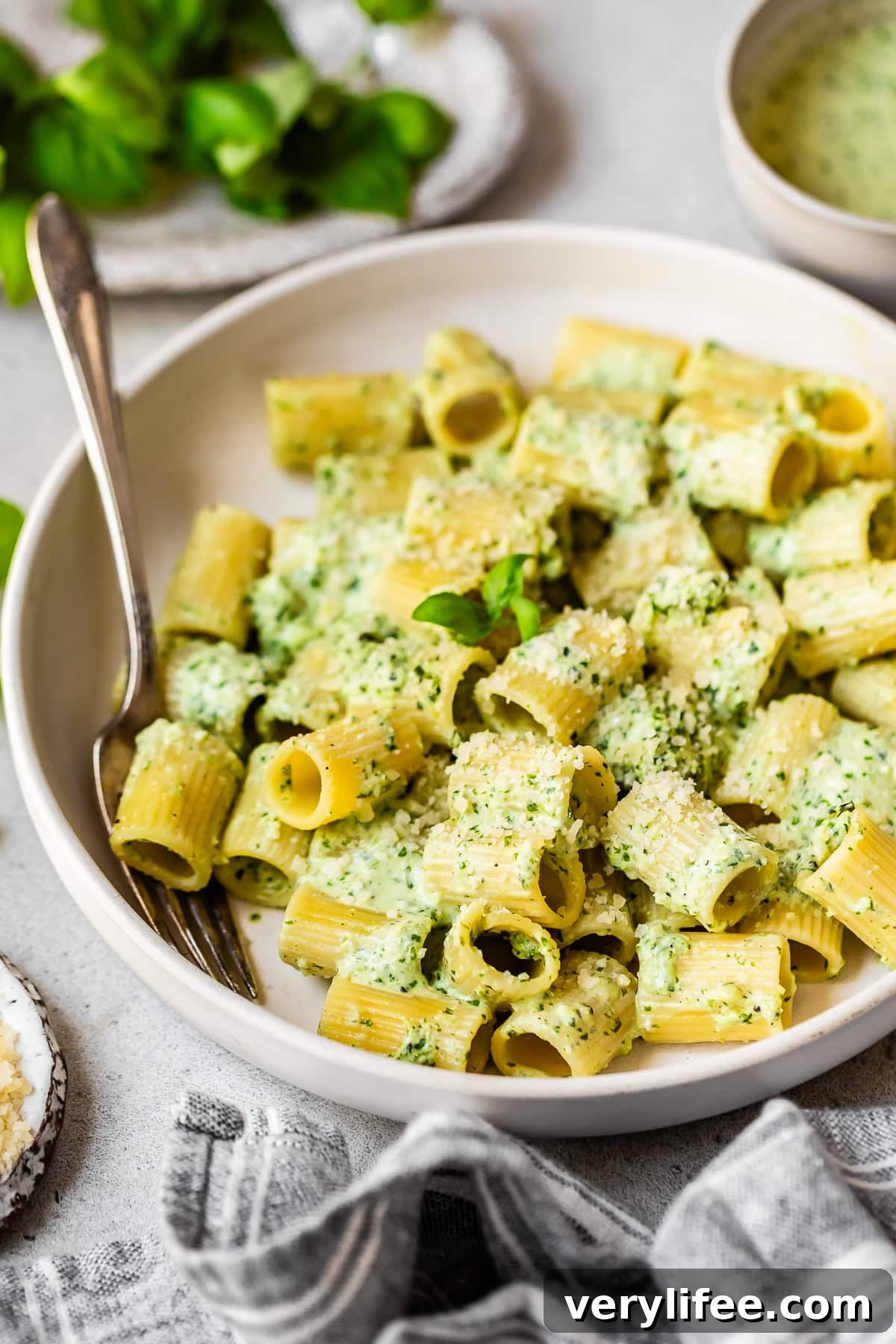
Cottage Cheese Pesto Pasta
After discovering how well cottage cheese works in a cottage cheese pasta sauce, I experimented with mixing it into basil pesto. The result is a creamy, high-protein pesto pasta that tastes indulgent but stays light. Family members rarely detect the cottage cheese once it’s been whipped to a smooth consistency and blended with the pesto, yet it adds a noticeable protein boost and a luxurious mouthfeel.
Why You’ll Love This Secret Ingredient

If you want to add protein and achieve an ultra-smooth texture without the calories of heavy cream or excess oil, this creamy pesto pasta should be in your rotation. Whipping cottage cheese transforms its curdy texture into a silky, almost Alfredo-like finish while keeping the dish satisfying and lighter in fat.
- Texture: When blended, cottage cheese becomes velvety and coats pasta beautifully.
- Nutrition: The cottage cheese significantly increases the protein in each serving (about 14.5 grams per serving in this recipe), helping the meal feel more filling.

Ingredients You’ll Need
This simple pasta recipe centers on three main elements: pasta, cottage cheese, and basil pesto. Refer to the recipe card below for exact measurements and nutrition details.
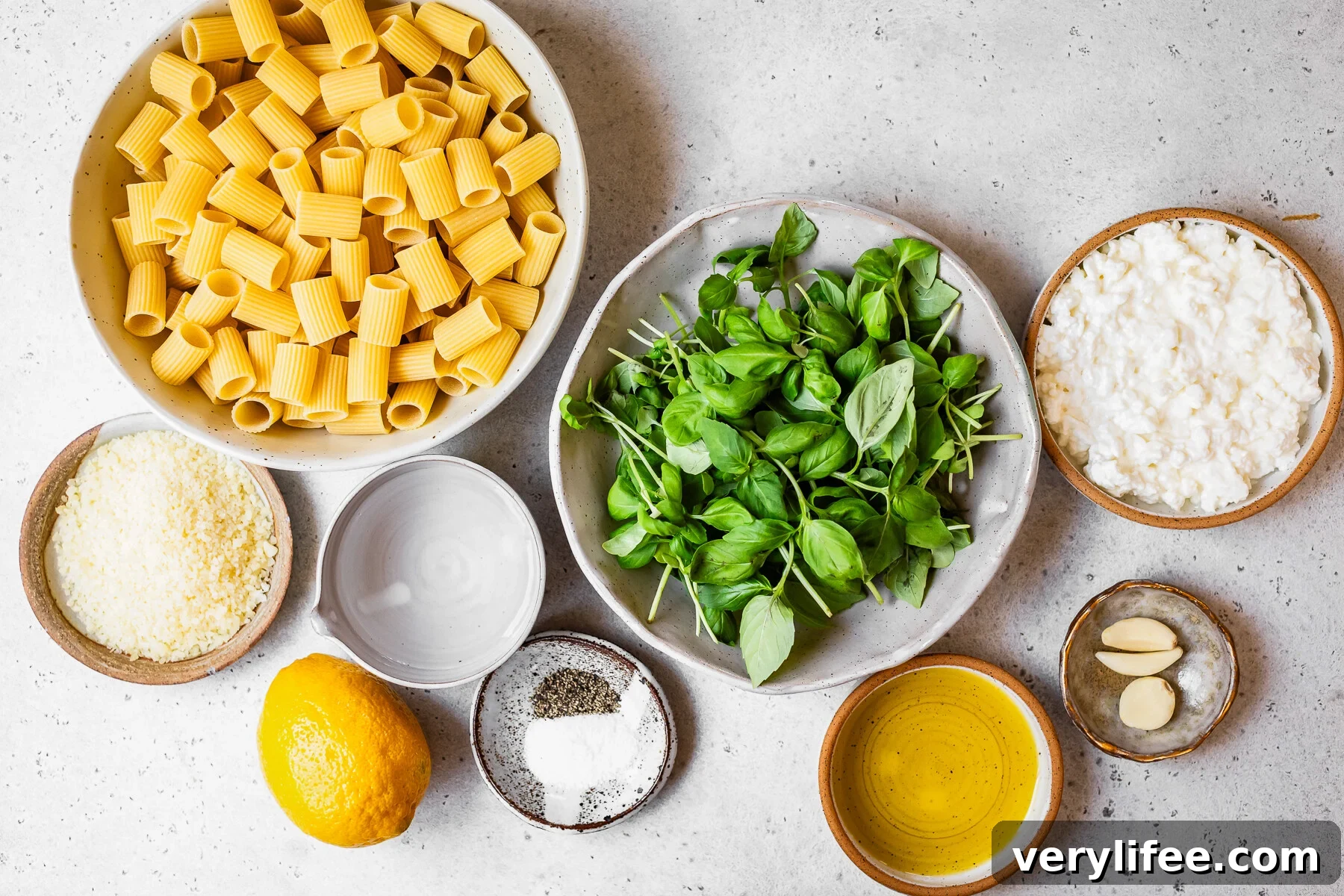
- Pasta: Mezze rigatoni is used here, but any pasta shape works.
- Low-fat cottage cheese: Choose a thicker brand for the best texture.
- Garlic: Use 2–3 cloves depending on size and taste preference.
- Fresh basil: The star herb for pesto; pack it into the measuring cup.
- Liquid: Water and a small amount of olive oil help thin the pesto and cottage cheese mixture for a smooth sauce.
- Cheese: Parmesan or Pecorino Romano in the pesto, with extra for topping.
- Lemon juice: Adds a bright, balancing acidity and can help thin the sauce.
- Salt and pepper: Kosher salt and freshly cracked black pepper to taste.
How to Make Creamy Pesto Pasta
A key trick is to reserve some pasta cooking water before you drain the noodles. The starchy water helps emulsify the pesto and cottage cheese, giving you a glossy, clingy sauce. Follow the recipe card for the precise ingredient amounts and full nutrition details.
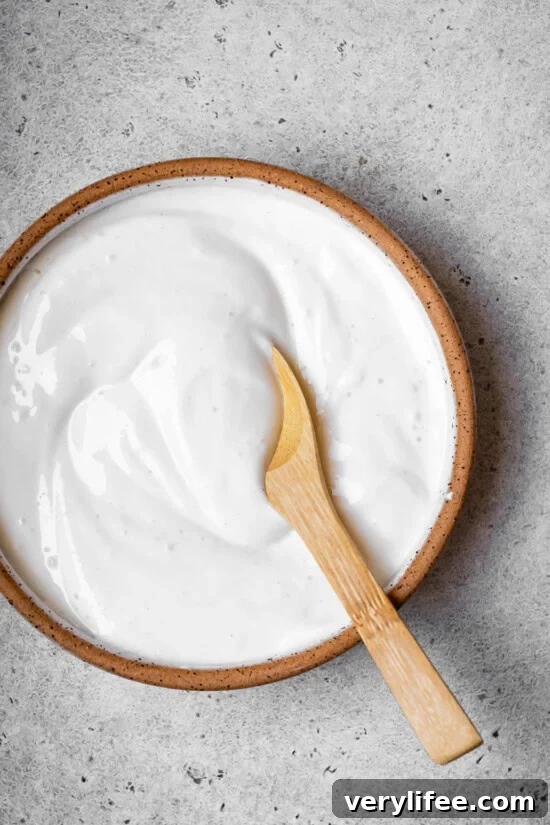
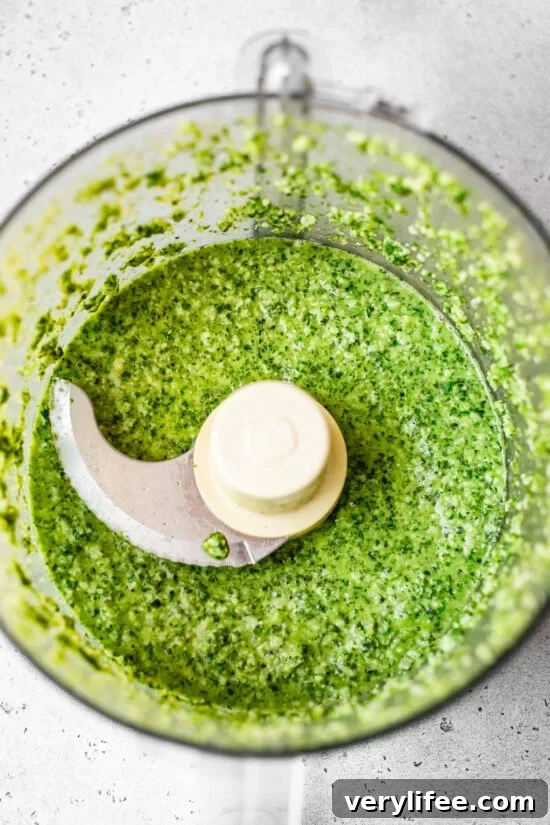
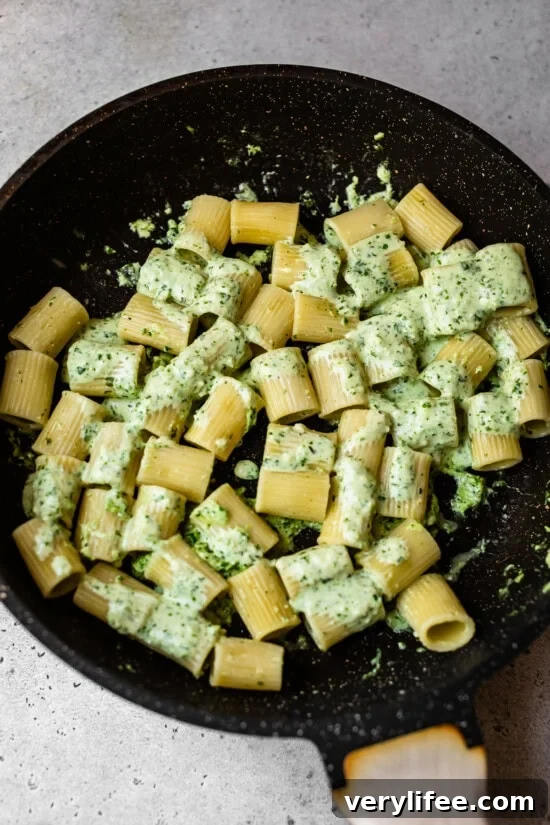
- Blend the cottage cheese: Combine the cottage cheese with 2 tablespoons of water in a small blender and process until entirely smooth.
- Make the pesto: Mince the garlic, then add basil and pulse until finely chopped. Add 3–4 tablespoons of water, the grated cheese, olive oil, lemon juice, salt, and pepper; process until smooth.
- Cook the pasta: Boil the pasta in generously salted water until al dente. One minute before draining, scoop out ½ cup of the pasta cooking water and set it aside. Drain the pasta, return it to the pot off the heat, and let it sit for 1–2 minutes to avoid shocking the cheesy sauce and causing it to separate.
- Combine sauces and pasta: Stir the pesto into the warm pasta, then fold in the whipped cottage cheese until the sauce is uniform and no white streaks remain. If the sauce seems too thick, add reserved pasta water a tablespoon at a time until you reach the desired consistency.
- Serve: Finish with extra grated Parmesan, fresh basil leaves, and a crack of black pepper. Adjust salt to taste.
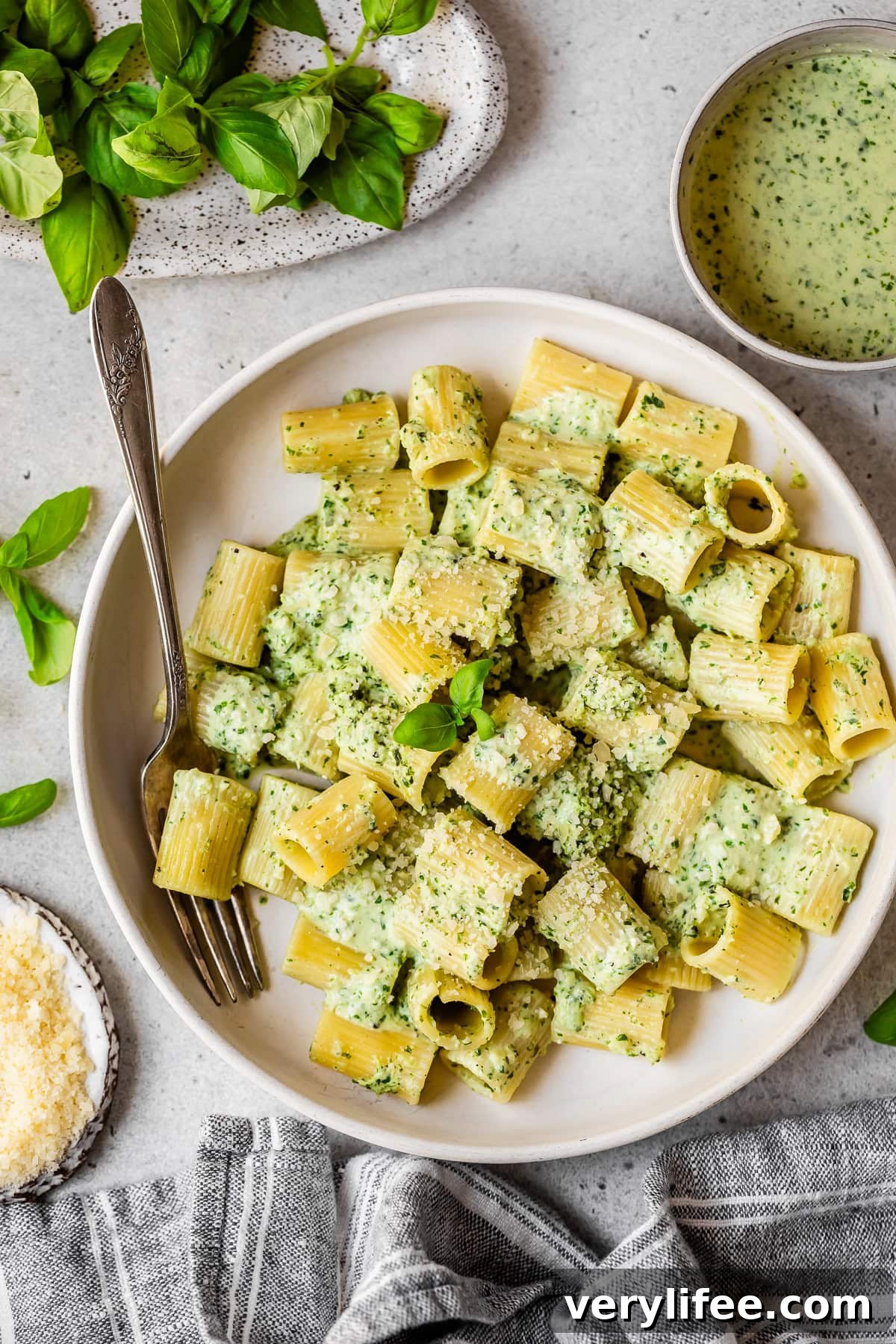
Pro Tips for the “Hidden” Texture
If you want the cottage cheese to be undetectable and deliver a truly smooth sauce, follow these simple tips:
- Blend thoroughly: Use a mini blender or high-speed blender and add a splash of water when processing the cottage cheese. Blend until it reads as a single, silky texture with no curds.
- Emulsify with pasta water: Reserve starchy pasta water and add it gradually to the sauce to achieve a restaurant-style sheen and cling.
Variations
- Gluten-free: Substitute your favorite gluten-free pasta or a high-protein pasta to suit dietary needs.
- Cottage cheese options: Whole-milk cottage cheese will give a richer result; avoid fat-free varieties, which can make the sauce too thin.
- Add protein: Stir in grilled chicken or shrimp for a heartier main dish.
- Veggies: Toss in baby spinach, peas, or roasted vegetables for color and nutrition.
- Herb variations: Try a pesto that’s half basil and half parsley or chives for a different herbaceous note.
- Heat: Add crushed red pepper flakes for a spicy kick.
What to Serve with Creamy Pesto Pasta
This high-protein pesto pasta works well as a main course with a side salad or roasted vegetables, or as a pasta side alongside chicken, beef, or seafood. It pairs especially well with simple, fresh sides that complement the bright basil and lemon in the sauce.
Storage and Meal Prep Tips
- Make ahead: Prepare the pesto and the whipped cottage cheese a day ahead. When you’re ready to serve, just boil the pasta and combine.
- Refrigerate: Store leftover pesto pasta in an airtight container for up to 4 days. For packed lunches, portion into smaller containers.
- Reheat gently: Warm on the stovetop over low heat or microwave briefly. If the sauce has thickened or been absorbed, stir in a splash of water, milk, or broth to loosen it.
- Freeze: The dish can be frozen for up to 3 months; thaw in the refrigerator overnight before reheating.
- Keep sauce separate: To prevent the pasta from soaking up too much sauce when storing, keep the pesto-cottage cheese mixture separate and combine just before serving.
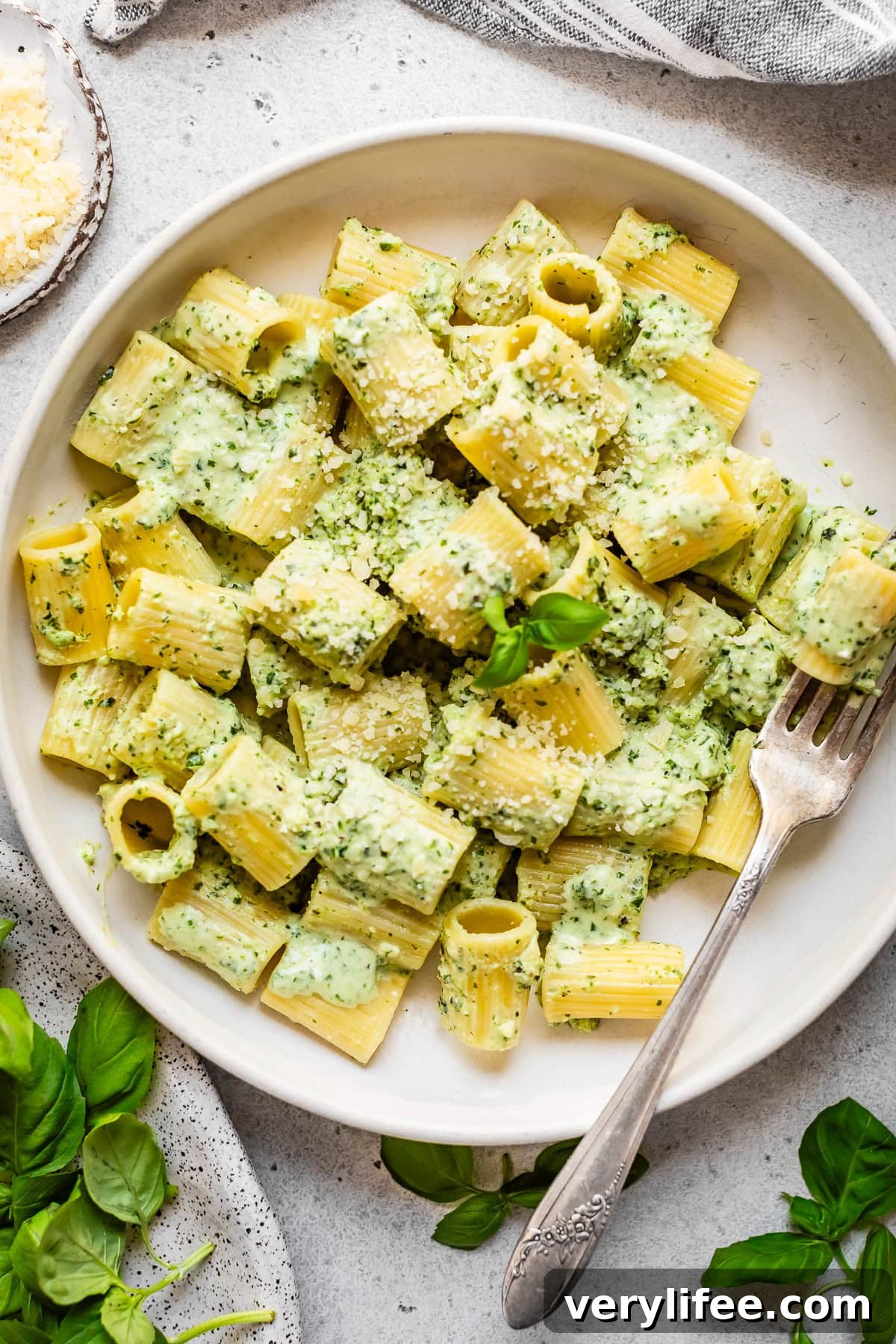
More High-Protein Pasta Ideas
If you enjoy using cottage cheese to enrich sauces, try other recipes that swap cream for whipped cottage cheese to add protein and create a creamy texture without heavy calories.
- Cottage Cheese Cacio e Pepe
- Lasagna with cottage cheese
- Stuffed shells using cottage cheese
- Creamy cottage cheese pasta variations
- Lasagna roll-ups with cottage cheese
Creamy Pesto Pasta (with Cottage Cheese)
Equipment
- food processor
- mini blender
Ingredients
- 12 ounces mezze rigatoni, or pasta shape of your choice (use gluten-free pasta for GF)
- 2/3 cup low-fat cottage cheese
- 2 cloves garlic
- 2 cups fresh basil, packed
- 5 to 6 tablespoons water, divided
- 5 tablespoons Parmesan cheese or Pecorino Romano, plus more for topping
- 1 1/2 tablespoons extra virgin olive oil
- 2 tablespoons lemon juice
- 1/4 teaspoon kosher salt, plus more to taste
- 1/4 teaspoon black pepper, plus more to taste
Instructions
- Bring a large pot of generously salted water to a boil.
- Add the cottage cheese to a small blender with 2 tablespoons water and blend until smooth. Set aside.
- In a food processor, pulse the garlic until minced. Add basil and process until finely chopped. Add 3–4 tablespoons water, Parmesan, olive oil, lemon juice, salt, and pepper; process until smooth.
- Cook the pasta according to package directions until al dente. About one minute before the pasta is done, reserve 1/2 cup of the pasta cooking water. Drain the pasta, return it to the pot, then remove the pot from the heat and let it sit for 1–2 minutes.
- Pour in the pesto and stir to combine, then add the whipped cottage cheese and stir until the sauce is even and the pasta is coated. If the sauce is too thick, add reserved pasta water 1 tablespoon at a time until the desired consistency is reached.
- Top with extra grated Parmesan, fresh basil leaves, and more salt and cracked black pepper, if desired. Serve immediately.
Nutrition
Serving: 1 ½ cups (scant) — Calories: 340 kcal — Carbohydrates: 54 g — Protein: 14.5 g — Fat: 7 g — Saturated Fat: 2 g — Cholesterol: 6.5 mg — Sodium: 228.5 mg — Fiber: 6.5 g — Sugar: 3.5 g
Did You Make This Recipe?
Share a photo and tag the recipe so others can try it and you can keep track of your favorite tweaks.