

Cottage cheese is having a moment—and I’m all in. Below are easy, high-protein cottage cheese recipes that are delicious, versatile, and simple to prepare. Whether you prefer savory or sweet, cottage cheese is a fantastic way to boost protein and flavor in everyday meals.

Cottage Cheese Recipes
I always keep cottage cheese in the fridge because it makes creating quick, high-protein meals so easy. It’s surprisingly underrated: mild, creamy, and flexible enough to use in breakfasts, snacks, mains, and even desserts. Eat it plain with fruit or vegetables, spread whipped cottage cheese on toast, fold it into bagel dough, add it to scrambled eggs, or use it as a lighter ricotta alternative in lasagna and stuffed shells. Below I share more than 14 ways to enjoy cottage cheese in the kitchen.
Why I Love Cottage Cheese in Recipes!

Many people are surprised that I include cottage cheese regularly in a high-protein, balanced diet. It’s not just nutritious—it’s practical and flavorful. Here are a few reasons to try these cottage cheese recipes:
- High protein, low calorie: A typical cup of low-fat cottage cheese delivers a significant protein boost with relatively few calories, making it ideal for satiating meals and snacks.
- Budget-friendly: Cottage cheese is an affordable source of high-quality protein and essential nutrients, which makes it easy to include in weekly meal planning.
- Extremely versatile: Its mild flavor and creamy texture work well in both sweet and savory dishes, from breakfast bowls to baked pasta and dips.
Not a fan of curds? No problem. Many recipes blend or whip cottage cheese so the curds disappear, delivering smooth, creamy texture without the lumps.

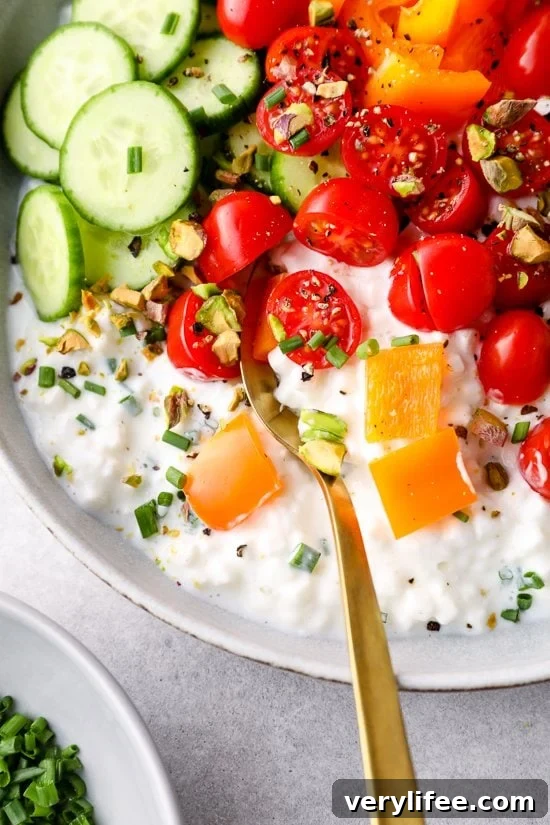
Easy Cottage Cheese Recipes to Try
Here are my favorite healthy cottage cheese recipes to inspire your next meal. Each one is designed to be approachable, flavorful, and protein-forward—perfect for busy mornings, snack time, or family dinners.
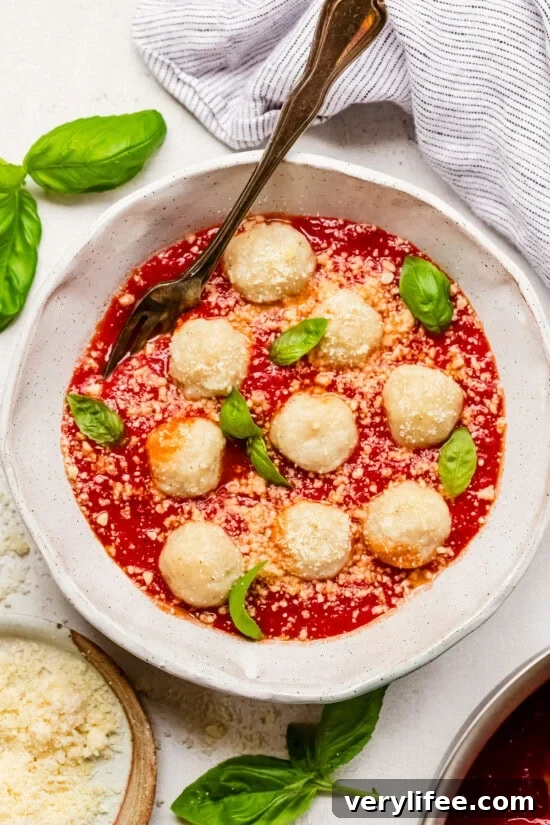
Gnudi (with Cottage Cheese)
Get the Recipe

Ratatouille Lasagna
Get the Recipe
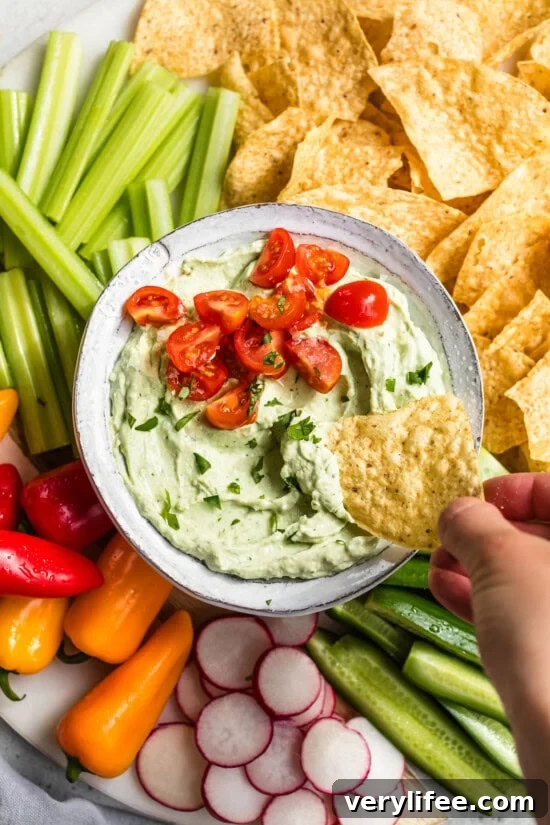
Whipped Avocado Cottage Cheese Dip
Get the Recipe
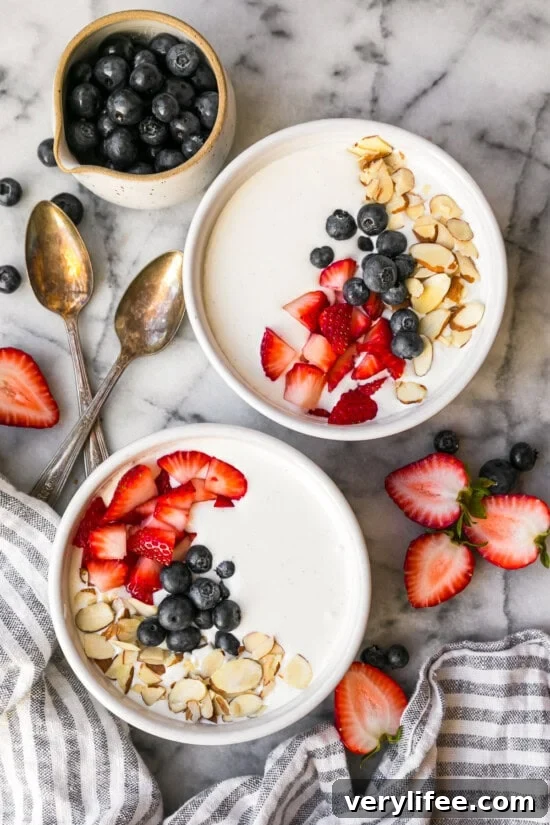
Whipped Cottage Cheese Bowls
Get the Recipe

Skillet Lasagna Recipe
Get the Recipe

Cottage Cheese Queso
Get the Recipe
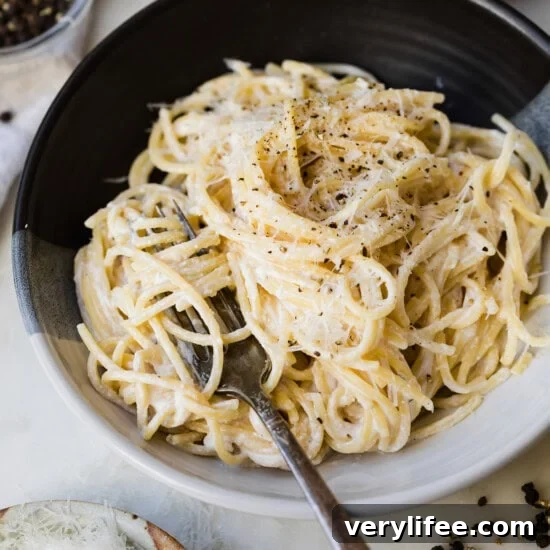
Cottage Cheese Cacio e Pepe
Get the Recipe

Lasagna Roll Ups With Cottage Cheese
Get the Recipe
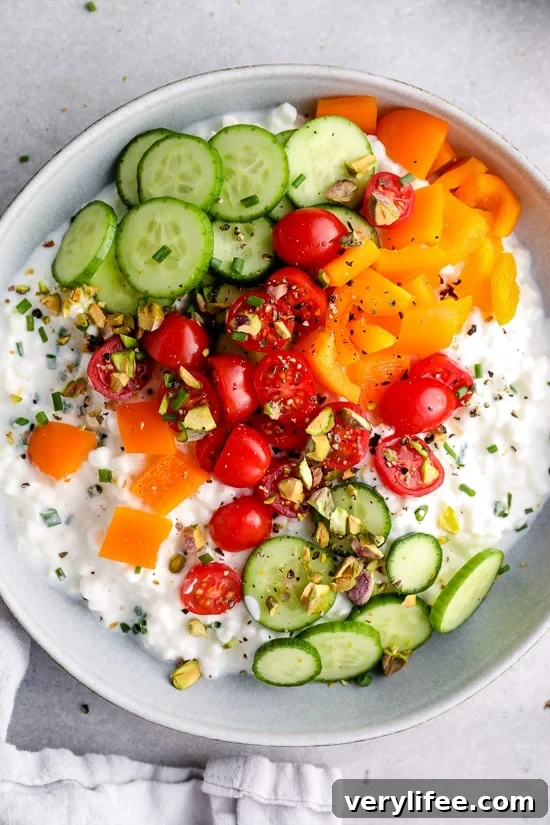
Savory Cottage Cheese Bowl
Get the Recipe

Cottage Cheese Eggs
Get the Recipe

Stuffed Shells with Cottage Cheese
Get the Recipe
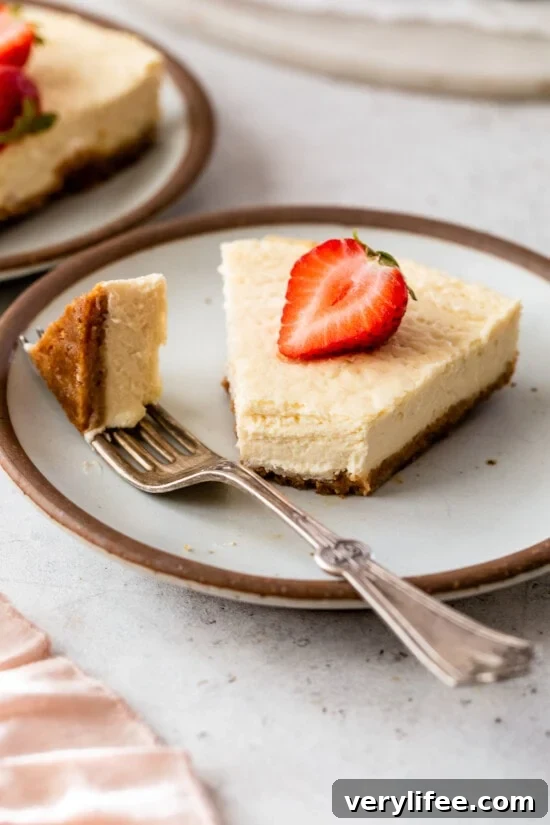
Cottage Cheese Cheesecake Recipe
Get the Recipe

Burst Tomato Cottage Cheese Caprese Bowl
Get the Recipe

Protein Bagels with Cottage Cheese
Get the Recipe

Egg White Muffins with Turkey Bacon, Cottage Cheese, and Veggies
Get the Recipe

High Protein Cottage Cheese Veggie Dip
Get the Recipe

Slow Cooker Lasagna
Get the Recipe
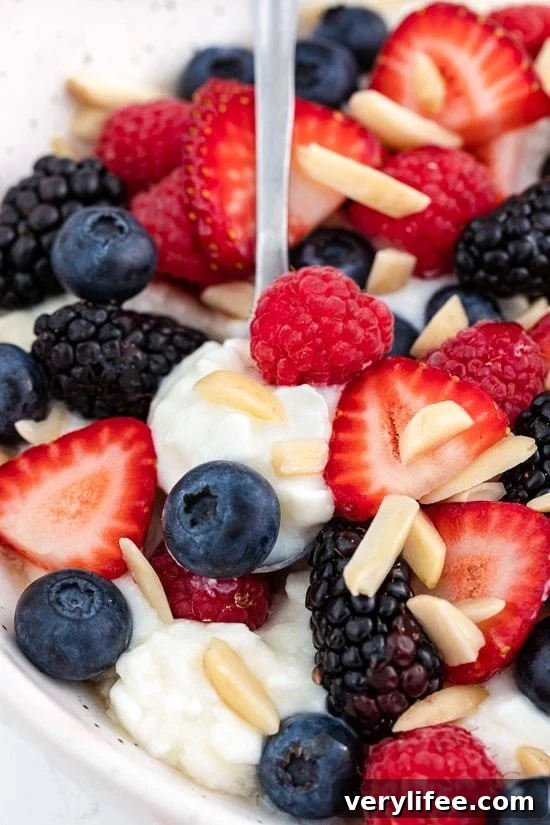
Berry Cottage Cheese Breakfast Bowl
Get the Recipe

High Protein Oat Waffles
Get the Recipe

Pineapple Chia with Cottage Cheese
Get the Recipe

Peach Pie Cottage Cheese Bowls
Get the Recipe
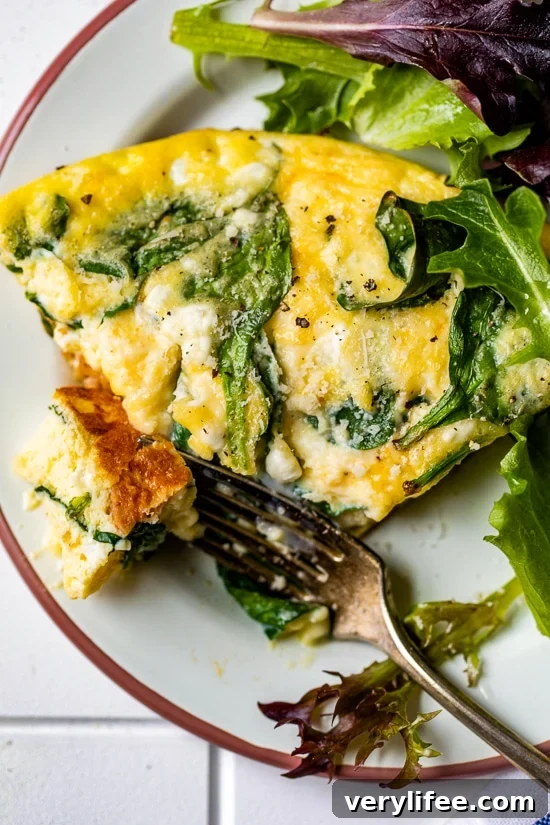
Cottage Cheese Egg and Sausage Frittata
Get the Recipe
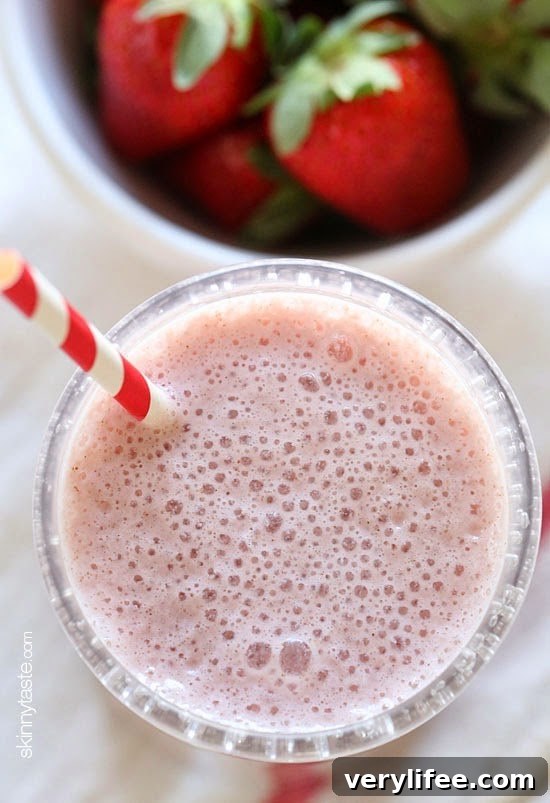
Roasted Strawberry Cottage Cheese Smoothie
Get the Recipe

High Protein Bread
Get the Recipe
Can It Help Me Meet My Protein Goals?
Like Greek yogurt, cottage cheese is a reliable, protein-rich ingredient that supports a variety of goals—weight management, muscle maintenance, or general health.
How much protein might you need? Many experts suggest 1.2 to 2.2 grams of protein per kilogram of body weight daily, depending on activity level and goals. Athletes and those focusing on muscle gain typically aim for the higher end, while those trying to lose weight can benefit from higher protein to increase satiety and preserve lean mass.
For example, someone weighing about 150 pounds (roughly 68 kg) might target 82 to 150 grams of protein per day, spread across meals to support muscle repair and steady energy.
What is Cottage Cheese?
Cottage cheese is a fresh cheese with a texture that’s creamier than many cheeses and more similar to thick yogurt or sour cream. It’s made by adding acid to milk to separate curds (the solids) from whey (the liquid), then cutting, rinsing, and lightly salting the curds. The result is a moist, slightly lumpy cheese with a mild, creamy flavor and a hint of tang and saltiness.
Its mild taste makes it easy to pair with sweet fruit, savory vegetables, herbs, or spices, and its texture can be altered—whipped or blended—to suit any recipe.