Easy Greek (and plain) yogurt swaps you can use every day in recipes to cut fat and calories while adding nutritional benefits.
How to Cook and Substitute Yogurt in Recipes
Using Greek or plain yogurt in cooking is an easy way to make dishes lighter without sacrificing texture or flavor. Greek yogurt works well as a lower-fat, higher-protein alternative to ingredients like butter, sour cream, mayonnaise, oil, buttermilk, and even cream cheese. In baked goods it keeps items moist; in sauces, dips, and soups it adds a creamy body and a pleasant tang.
When developing recipes, I prioritize health and taste. Swapping in yogurt preserves richness while cutting calories and fat, and it often boosts protein. Below are practical, everyday swaps and uses for Greek and plain yogurt, with examples of how to incorporate it across meals and occasions.
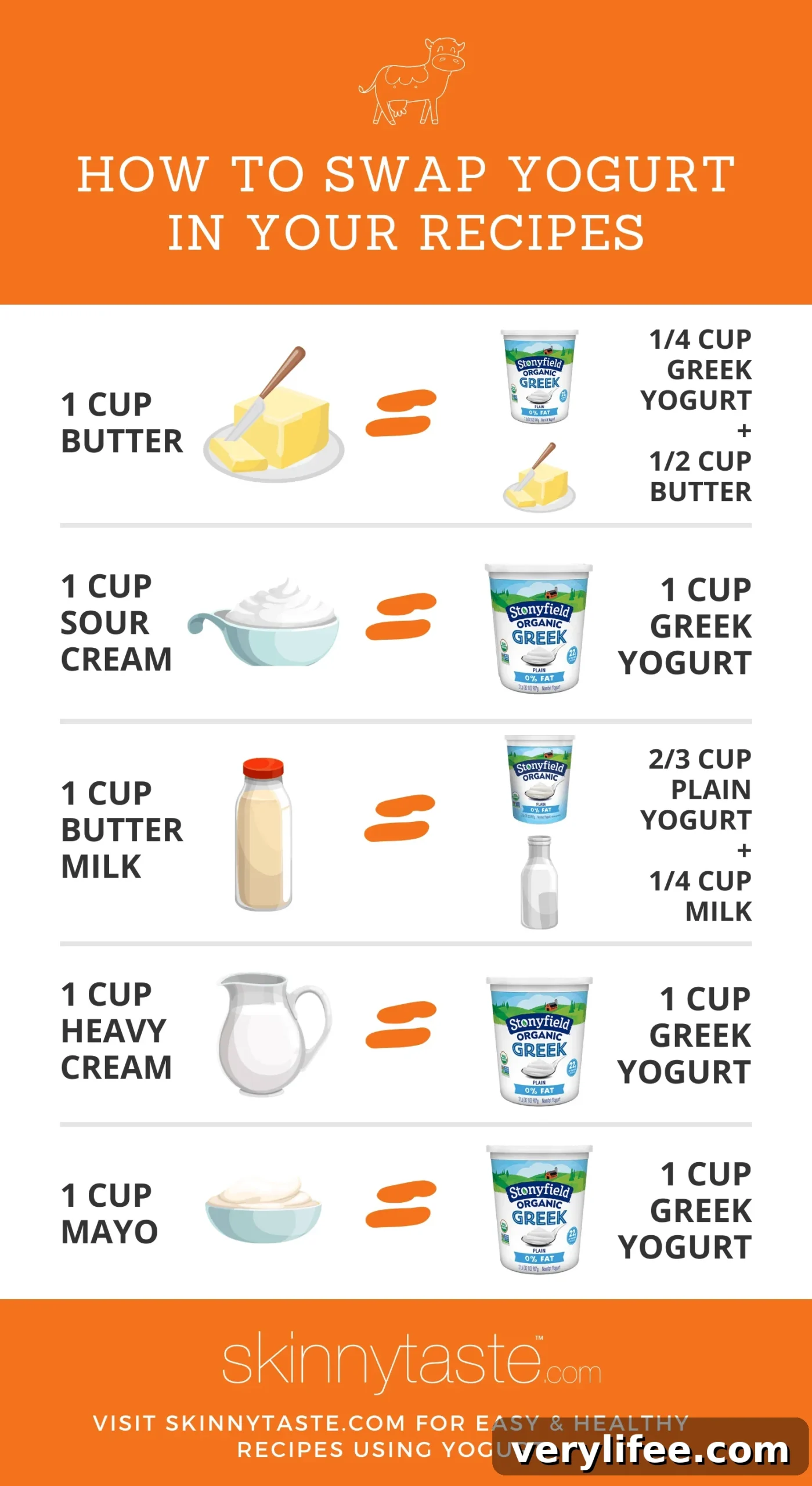
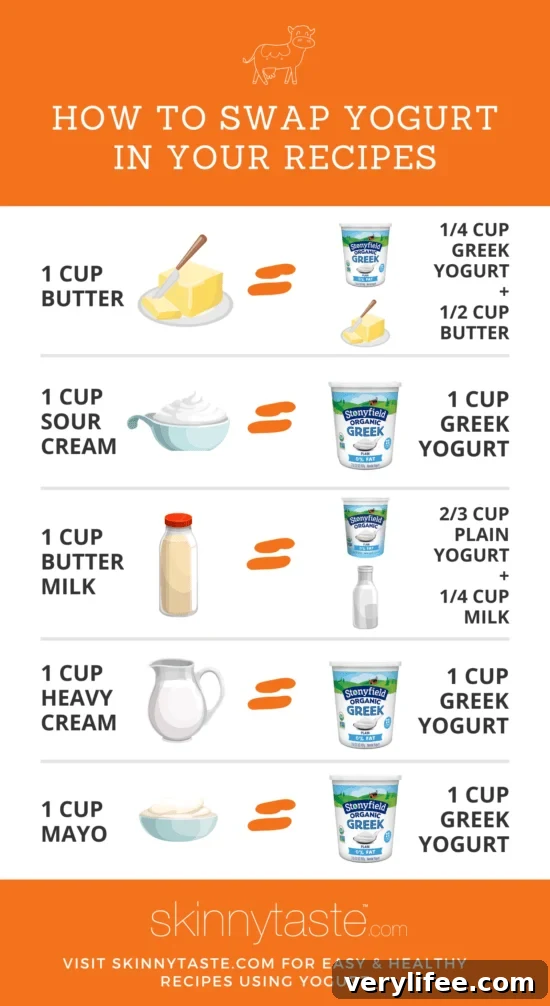
Substitute with Yogurt Chart
How to Sub Yogurt into Your Meals
You can often replace sour cream, mayonnaise, heavy cream, or oil entirely with yogurt, or do a partial swap where texture needs to be preserved. Use thicker Greek yogurt for dips, spreads, and baking; thinner plain yogurt or a yogurt thinned with a little water or milk for dressings and marinades. Below are common ways I use yogurt to lighten and improve recipes.
1. Greek Yogurt in Tacos and Wraps
Tacos and wraps become lighter and brighter when you swap sour cream or heavy sauces for a Greek yogurt topping. Yogurt adds creaminess and tang without overwhelming calories. Examples that use yogurt-forward toppings include:
- Turkey Taco Stuffed Avocados
- Tzatziki Fish Tacos
- Tuna Lettuce Wraps with Avocado-Yogurt Dressing
2. Greek Yogurt in Savory Dips
Yogurt makes an excellent base for savory party dips. It pairs well with herbs, roasted vegetables, cheese, and spices, and works with raw or roasted vegetables, pita, or crackers.
- Hot Spinach and Artichoke Dip (lightened with yogurt)
- Greek-style 7 Layer Dip made with yogurt instead of heavier bases
3. Yogurt in Dressings and Sauces
Thin plain or Greek yogurt creates creamy dressings and versatile sauces with less fat than mayonnaise or heavy cream. Mix with lemon, herbs, or spices for a bright dressing or a cooling sauce for grilled meats and vegetables.
- White sauce for salads and bowls, made with yogurt
- Yogurt mint sauce for grilled vegetables and meats
- Lime-y yogurt dipping sauce for fries or avocado fries
4. Yogurt in Fruit Dips and Desserts
For fruit and light desserts, yogurt pairs beautifully with honey, citrus, or a touch of vanilla. It can replace cream cheese or mascarpone in many recipes, giving a lighter finish while maintaining a creamy mouthfeel.
- Cheesecake-style yogurt dip for fruit skewers
- Simple yogurt fruit dip for berries and sliced fruit
- Honey and yogurt served with grilled peaches or stone fruit
5. Greek Yogurt in Baking
Use Greek yogurt to make muffins, waffles, bagels, quick breads, and even pizza crusts that stay moist and tender with fewer calories. Yogurt adds structure and tenderness due to its protein content, and it can replace butter or oil in many baked goods.
- Homemade bagels and stuffed bagel balls with yogurt
- Yogurt waffles and yogurt chocolate chip muffins for moist texture
- Grilled pizza crusts that benefit from yogurt’s moisture
6. Yogurt in Cheesecakes and Other Desserts
Swapping some or all of the cream cheese in cheesecakes and layered desserts for yogurt reduces richness without losing the dessert experience. Yogurt also allows for smaller, lighter dessert portions that still feel indulgent.
- Maple pecan cheesecake shooters with yogurt
- Pumpkin-swirl cheesecake cupcakes that include yogurt
- Lemon cheesecake yogurt cups and yogurt panna cotta
7. Lighter Salads: Swap Mayo for Yogurt
Yogurt is a natural replacement for mayonnaise in many salads and cold dishes. You can use it to partially replace mayo for a lighter dressing or eliminate mayo entirely for even lower fat. Try it in chicken or Waldorf-style salads for creaminess with more protein.
- Waldorf-style chicken salad made lighter with yogurt
8. Soups and Comfort Foods
Instead of half-and-half or heavy cream, stir in Greek yogurt at the end of cooking to create a creamy soup without excess fat. Warm the yogurt slightly before adding to avoid curdling, and fold it in gently for a smooth finish. Try it in pumpkin, squash, or tomato soups.
9. Toppings and Marinades
Yogurt is a great topping for baked sweet potatoes or chili, bringing richness with fewer calories. It also makes a tenderizing base for marinades—especially for poultry—helping meat stay juicy and flavorful when grilled or baked.
- Loaded vegetarian baked sweet potatoes topped with yogurt
- White bean turkey chili finished with a dollop of Greek yogurt
- Yogurt-based marinades for tender grilled chicken kebabs
General Cooking Tips for Using Yogurt
- Prevent curdling: Temper yogurt before adding it to hot soups or sauces by stirring a few spoonfuls of the hot liquid into the yogurt to warm it first, then gently fold the yogurt back into the pot.
- Freezing: Yogurt’s beneficial cultures are mostly preserved by freezing, and frozen yogurt still retains calcium and protein. Avoid heating yogurt above 120°F if you want to preserve live cultures when reheating.
- Thickening: To thicken a yogurt-based dressing or dip, chill it in the refrigerator for an hour; the cold helps it firm up.
Health Benefits of Swapping in Greek Yogurt
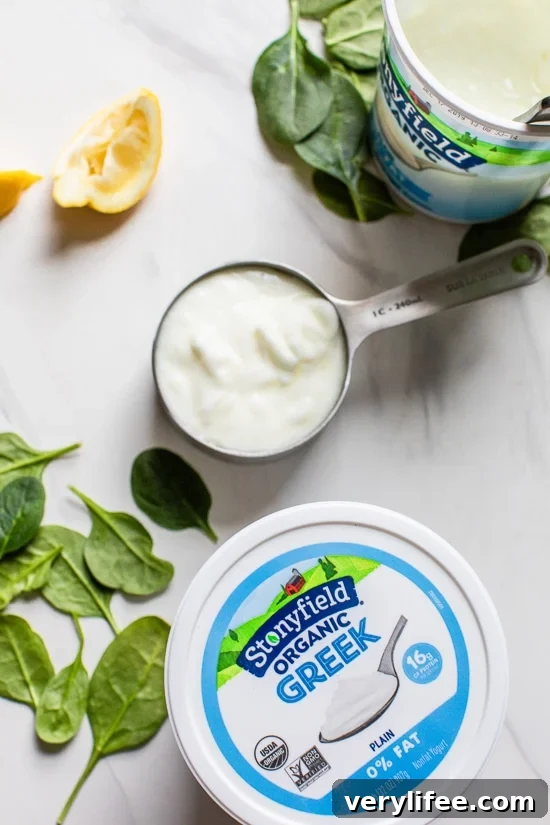
Replacing high-fat ingredients with Greek yogurt reduces calories and fat while often increasing protein. Greek yogurt supports muscle and bone health thanks to its protein, and many varieties contain live cultures that support gut health. For example, some organic Greek yogurts contain multiple live cultures and provide a substantial amount of protein per serving.
Why Choose Organic Greek Yogurt?
Choosing organic yogurt can mean ingredients produced without antibiotics, growth hormones, or genetically modified organisms, and many organic brands emphasize humane animal care and support for small family farms. Selecting a trusted, high-quality yogurt ensures both flavor and value in your recipes.
Yogurt Saves Space, Money, and Calories
Keeping a container of Greek yogurt in the fridge simplifies meal prep: it can replace several products like sour cream, mayonnaise, and buttermilk, reducing clutter and cost while making meals healthier. Once you start swapping yogurt into your cooking, you’ll find many ways it improves both nutrition and taste.
Try Greek Yogurt in Your Kitchen
If you haven’t experimented with yogurt swaps yet, start with a few simple changes—use yogurt as a dip base, a topping for chili or baked potatoes, or a partial replacement in baked goods. I’d love to hear which swaps work best for you and how you use Greek yogurt in your favorite recipes.
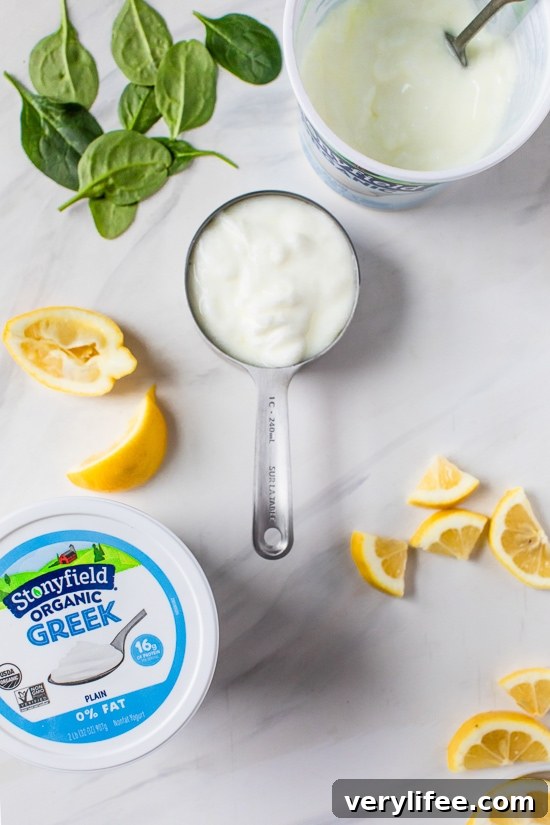
Sponsored by Stonyfield. Thank you for supporting brands I use and love that make this content possible.