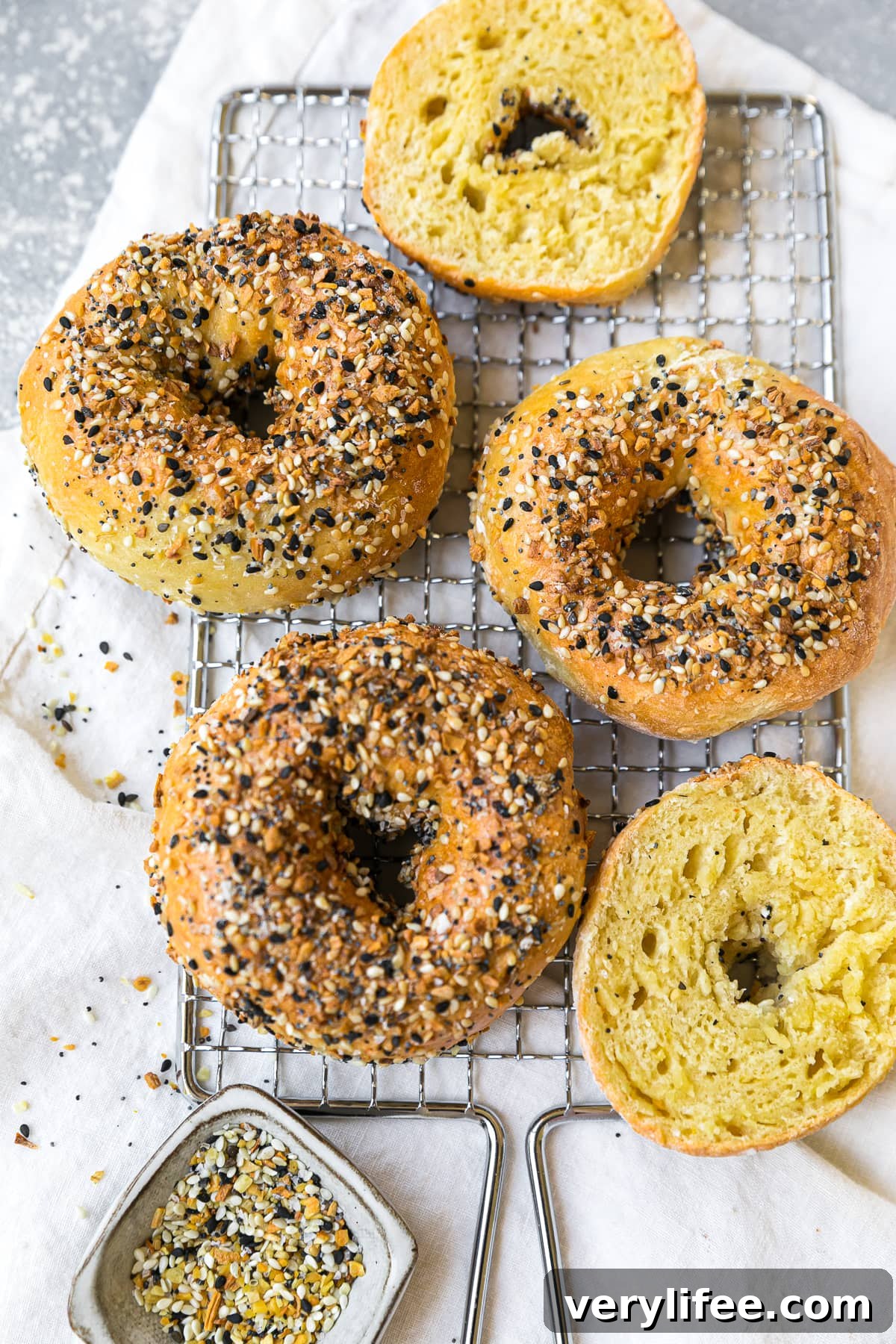
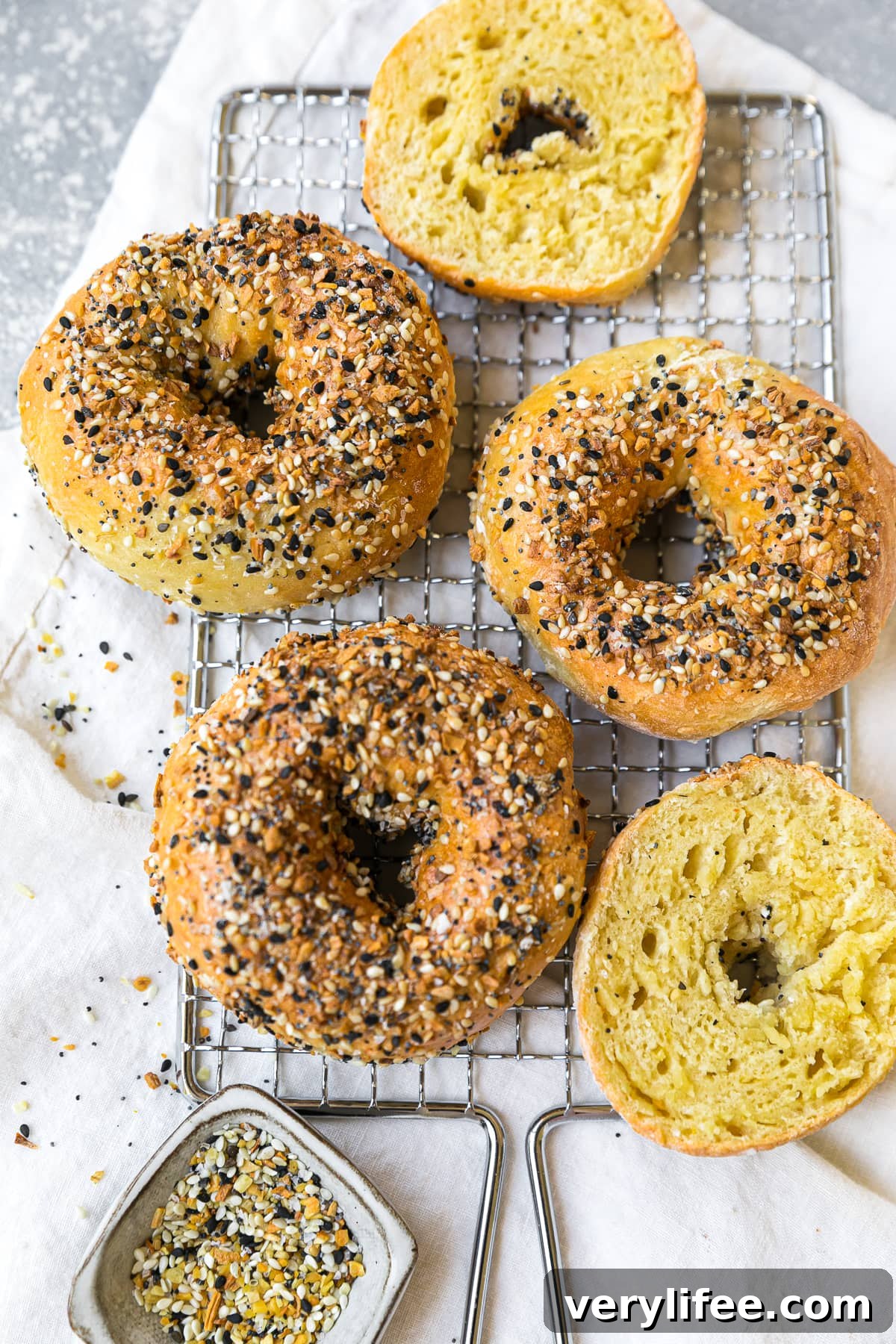
This High-Protein Egg Bagel recipe gets its warm yellow color from egg yolks, which also help create an exceptionally light, fluffy texture. These bagels are quick and simple to make—no boiling or yeast required. The dough mixes easily with Greek yogurt, then bakes to a golden finish, or you can cook them faster in an air fryer. They make a satisfying, protein-rich breakfast or sandwich base.
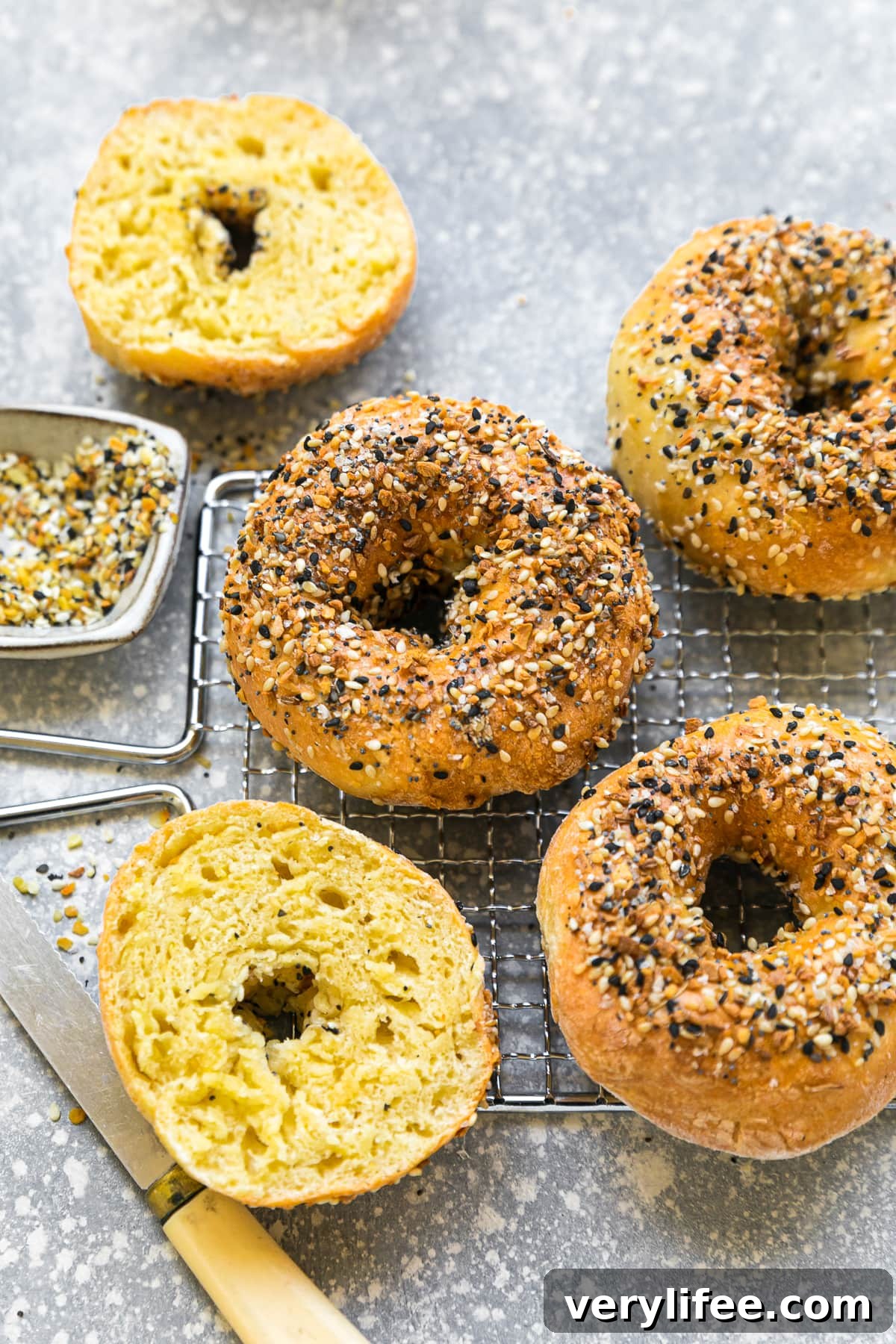
High-Protein Egg Bagel
If you love bagels with a tender crumb and extra protein, these egg bagels deliver. Each bagel contains roughly 10 grams of protein thanks to the combination of nonfat Greek yogurt and eggs. The yolks enrich the dough, making the crumb soft and slightly yellow, while the technique skips the traditional boil-and-bake method. Serve them plain, toasted with cream cheese, or build a hearty sandwich with bacon, scrambled eggs, and cheese for a high-protein morning meal.
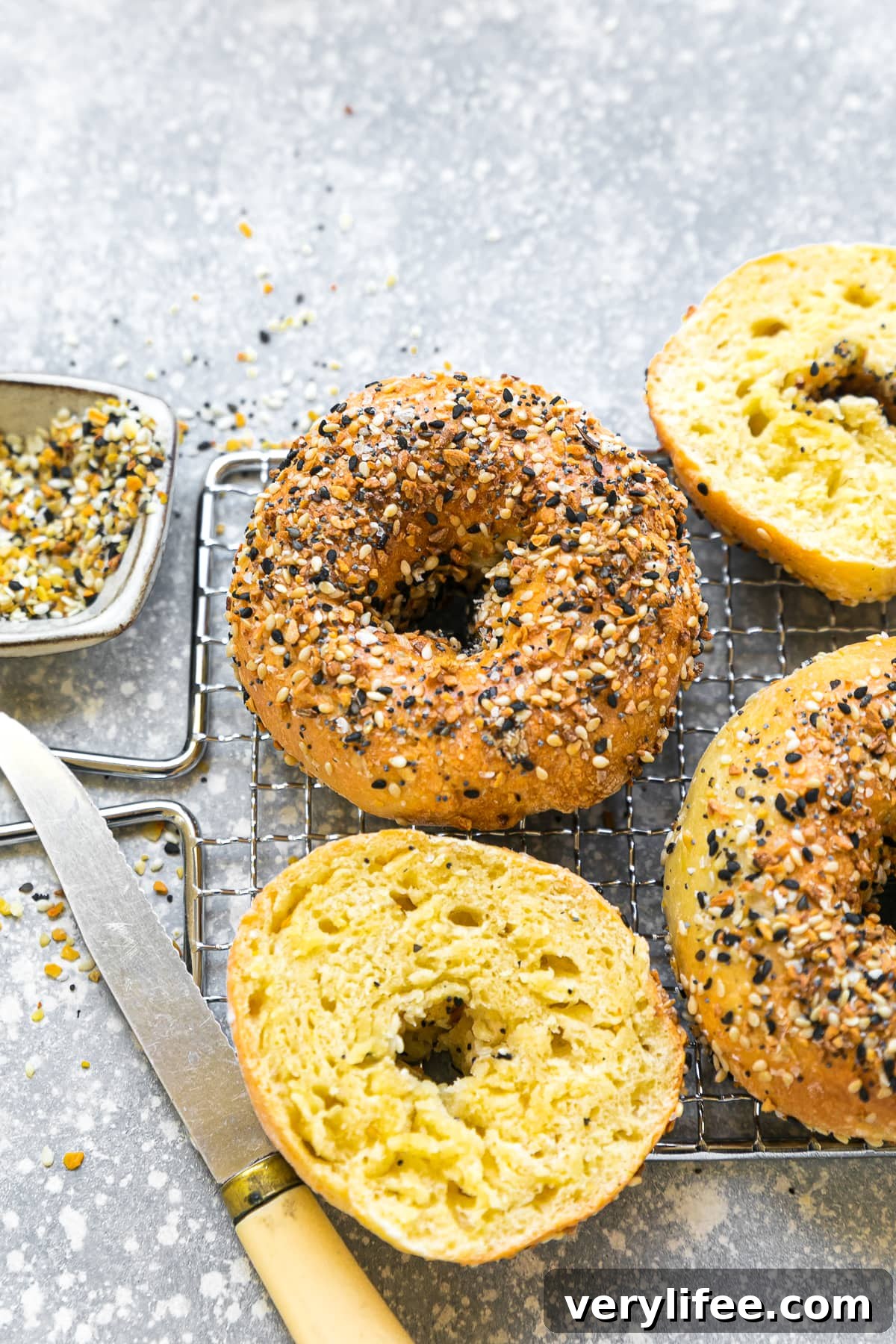
What is the difference between egg bagels and regular bagels?
Egg bagels include egg yolks in the dough, which regular bagels typically do not. The yolks add richness, a softer texture, and a subtle yellow hue. Because this recipe uses baking powder and yogurt, it requires no yeast and no boiling, making it faster and simpler than traditional bagel recipes.
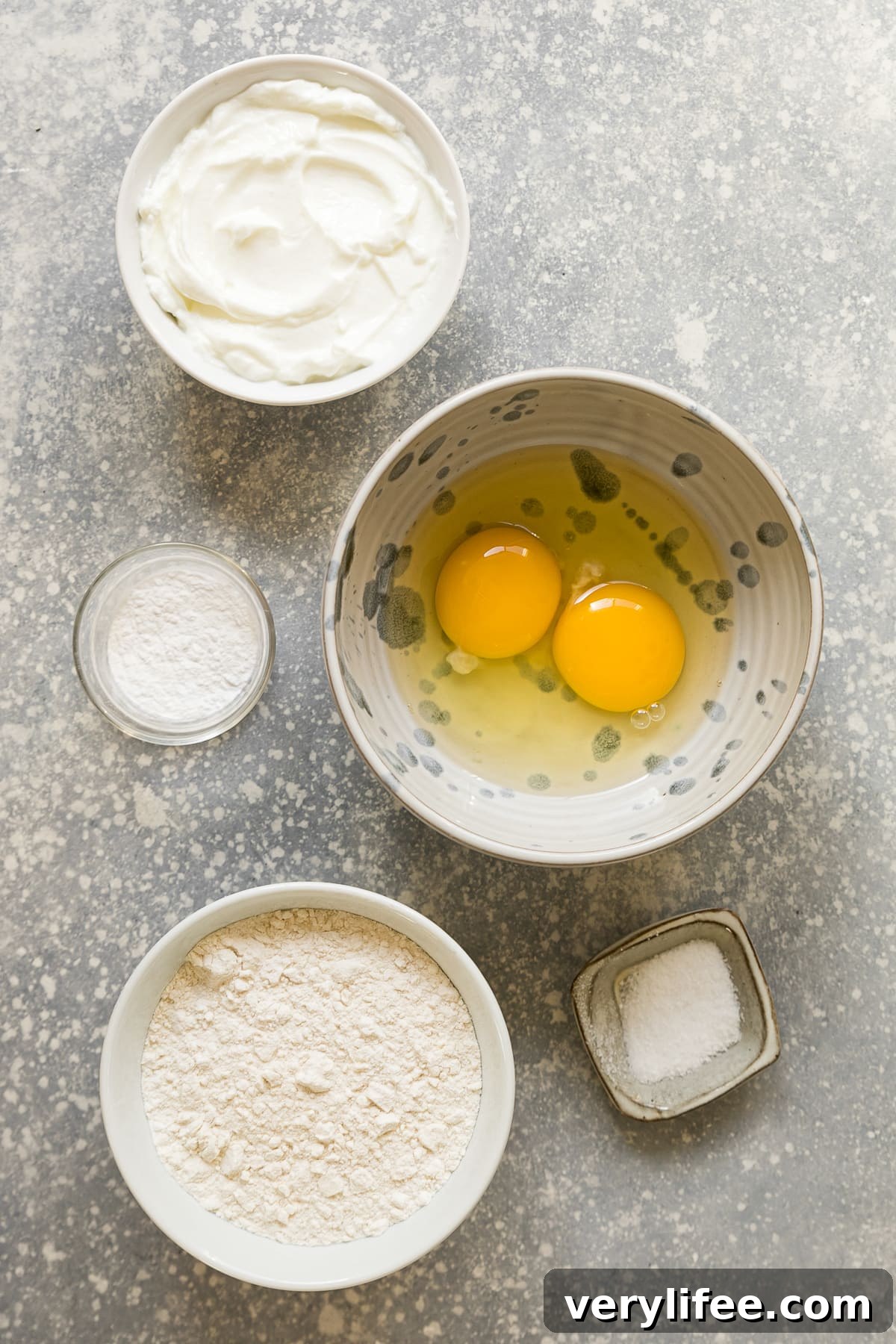
What is an egg bagel made of?
Core ingredients for these no-yeast, no-boil egg bagels:
- Flour: Use unbleached all-purpose, whole wheat, or a gluten-free 1-to-1 baking flour. Measure by weight when possible for best results (recipe tests used about 6.25 oz).
- Baking powder: Fresh baking powder is essential so the bagels rise properly.
- Salt: Kosher salt is recommended for texture and flavor; reduce quantity if using table salt.
- Nonfat Greek yogurt: Adds protein and moisture. Use a thick variety (Stonyfield, Fage or similar). Drain any excess liquid before measuring.
- Eggs: Two large eggs, yolks and whites separated; yolks go into the dough, whites are used to brush the bagels before baking.
- Toppings (optional): Everything bagel seasoning, sesame seeds, poppy seeds, dried garlic or onion flakes, cinnamon sugar, or coarse salt.
How to Make Egg Bagels
- Prep: Preheat the oven to 375°F. Line a baking sheet with parchment paper or a silicone mat. If the parchment may stick, lightly spray it with oil.
- Combine dry ingredients: Whisk the flour, baking powder, and salt in a medium bowl until evenly mixed.
- Add wet ingredients: Stir in the Greek yogurt and the egg yolks with a fork. The mixture will come together into small crumbs.
- Knead: Turn the dough onto a lightly floured surface and knead 15 to 20 times until smooth and tacky but not sticky. The dough should not cling to your hands.
- Shape: Divide the dough into four equal pieces. Roll each piece into a rope about 3/4 inch thick and join the ends to form rings. Alternatively, shape each piece into a ball, poke a hole through the center, and gently stretch to form a bagel shape.
- Topping: Brush each bagel with the beaten egg whites and sprinkle with your chosen toppings on both sides.
- Bake: Bake on the top rack for about 25 minutes, until golden. Allow bagels to cool at least 15 minutes before slicing to finish the interior texture.
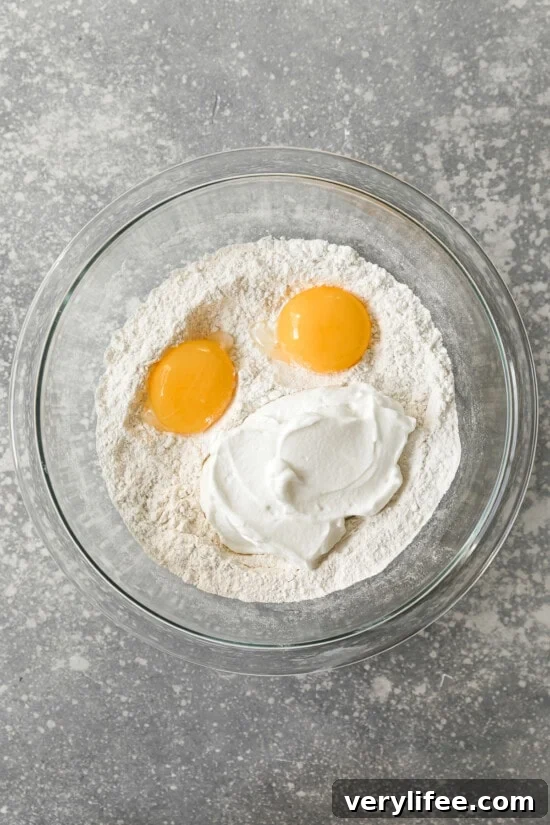
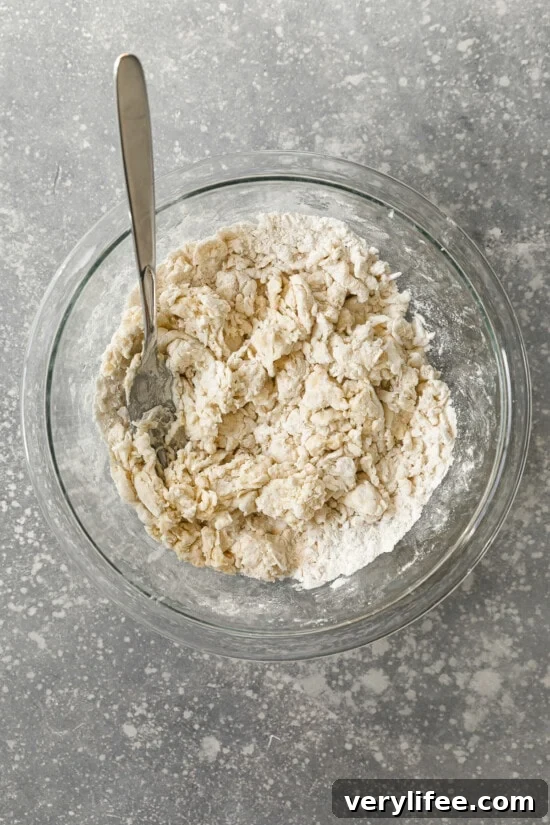
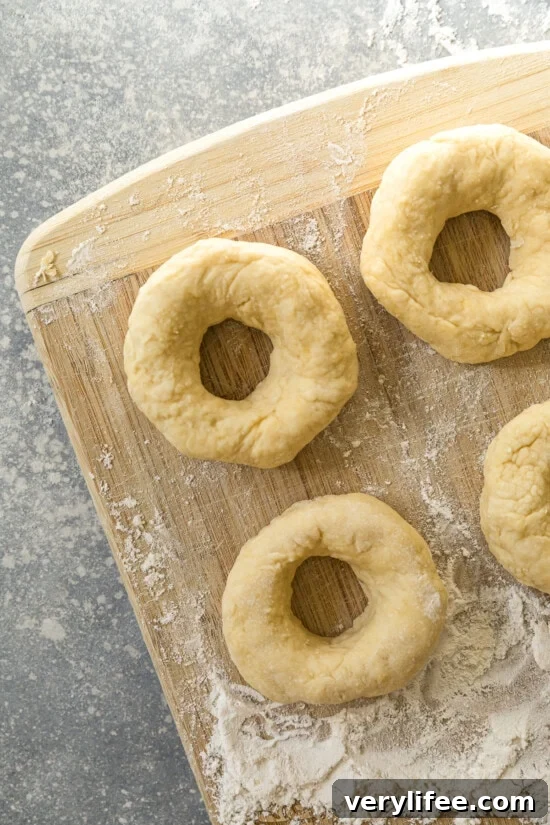
Air Fryer Egg Bagels
For a quicker method, air fry at 280°F for 15–16 minutes, or until the bagels are golden. No turning is necessary. Allow the bagels to cool at least 15 minutes before slicing.
Variations and Substitutes
- Dairy-free: Swap nonfat Greek yogurt for a thick dairy-free yogurt alternative. Because the recipe uses egg yolks, it is not vegan.
- Sticky dough: If the dough is tacky, add flour a tablespoon at a time until it becomes manageable.
- Meal prep: Double or triple the batch and freeze extra bagels. Slice and wrap them individually for quick mornings.
How to increase protein on a bagel
These egg bagels already provide about 10 grams of protein per bagel. To boost protein further, choose high-protein toppings:
- Build a sandwich with scrambled eggs or egg whites and cheese, plus bacon, ham, or lean steak.
- Top with smoked salmon (lox), capers, and thinly sliced red onion for a classic bagel.
- Use egg salad or chicken salad as a savory filling.
- Spread nut butter or high-protein cream cheese and sprinkle in ground flax or chia seeds for extra protein and fiber.
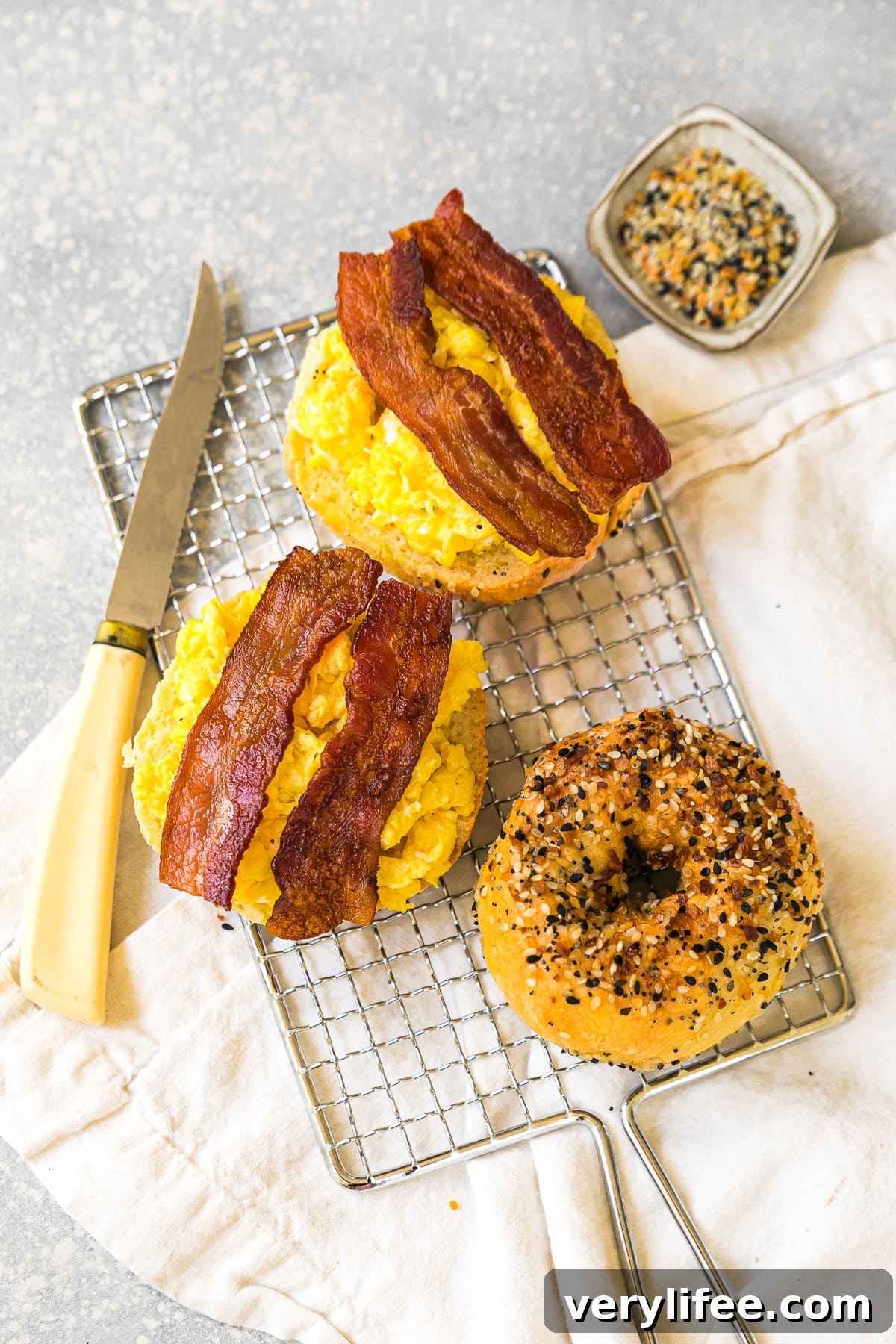
Storage
- Store bagels at room temperature for up to 1 day or refrigerate for up to 3 days. Reheat at room temperature, in a toaster, oven, or air fryer.
- To freeze, slice bagels in half and wrap individually in foil or plastic wrap. Freeze up to 3 months and reheat from frozen or thaw in the fridge.
Recipe details
- Yield: 4 bagels (1 bagel per serving)
- Prep time: 10 minutes
- Cook time: 25 minutes (oven) or 15–16 minutes (air fryer)
- Total time: About 50 minutes including cooling
Ingredients
- 1 1/4 cups unbleached all-purpose flour, whole wheat, or gluten-free 1-to-1 mix (about 6.25 oz)
- 2 teaspoons baking powder (fresh)
- 3/4 teaspoon kosher salt (reduce if using table salt)
- 3/4 cup nonfat Greek yogurt (thick)
- 2 large eggs, separated (yolks for dough, whites for brushing)
- Optional toppings: everything bagel seasoning, sesame seeds, poppy seeds, dried garlic or onion flakes, cinnamon sugar
Instructions (condensed)
- Preheat oven to 375°F and line a baking sheet.
- Whisk flour, baking powder, and salt. Add yogurt and egg yolks; mix until crumbly.
- Knead on a lightly floured surface until smooth and tacky (15–20 turns).
- Divide into four pieces, shape into bagels, brush with egg whites, and top as desired.
- Bake 25 minutes on the top rack; cool 15 minutes before slicing. Or air fry at 280°F for 15–16 minutes.
Nutrition (per bagel)
- Calories: 184 kcal
- Protein: 10 g
- Carbohydrates: 30 g
- Fat: 2.5 g (Saturated fat: 1 g)
- Cholesterol: 93.5 mg
- Sodium: 487 mg
- Fiber: 1 g
- Sugar: 1.5 g
Tips
- Use a thick, nonpourable Greek yogurt for the right dough texture—some brands are too thin and will make the dough sticky.
- If making gluten-free, choose a reliable 1-to-1 baking flour; bake times and texture may vary slightly.
- Toppings will add calories, so account for them if you track nutrition or points.
Enjoy these high-protein egg bagels as a healthier, quick alternative to traditional bagels. They’re ideal for meal prep, sandwiches, and a protein-forward breakfast that’s easy to customize.