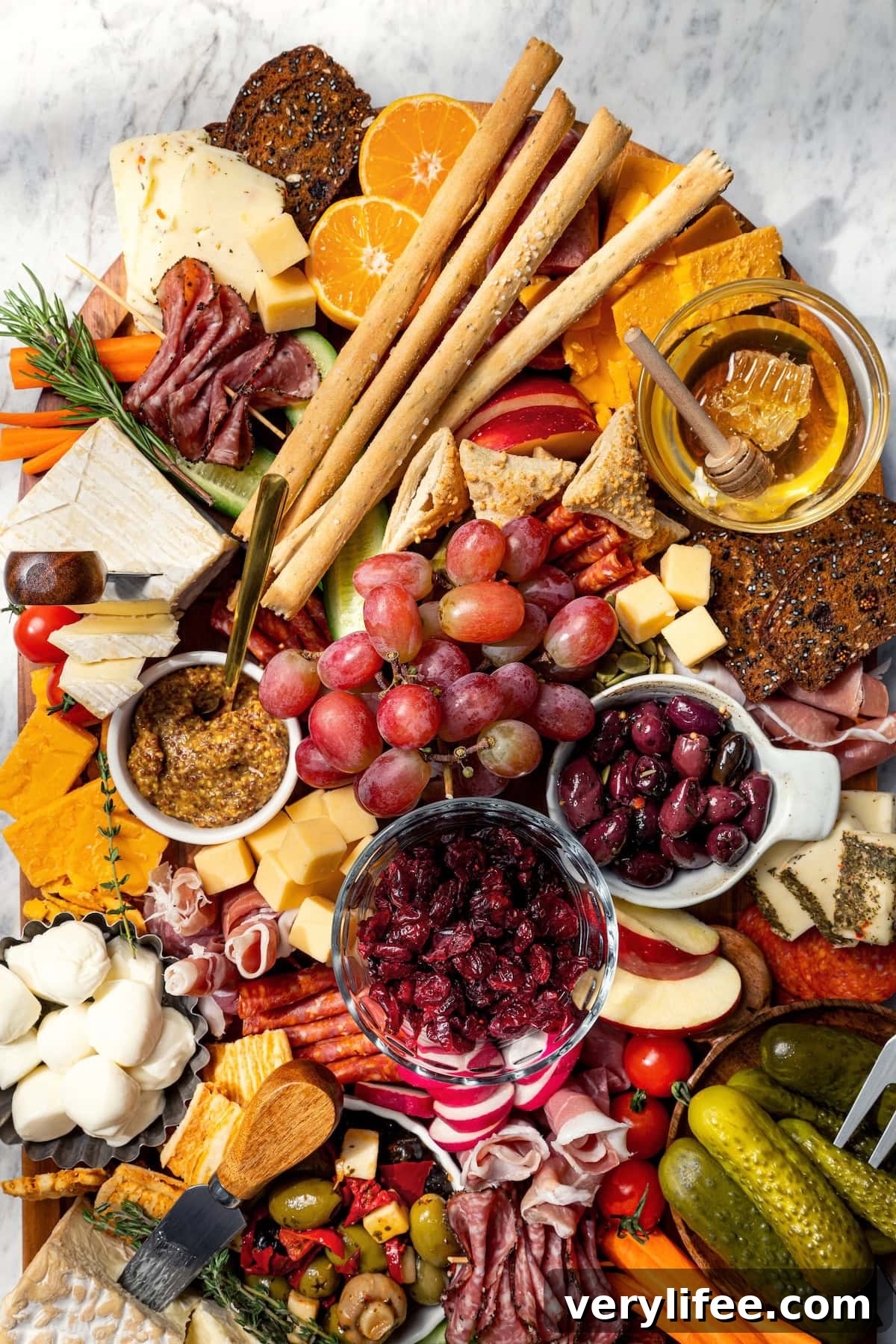
Charcuterie and cheese boards make a striking centerpiece and are surprisingly simple to assemble. This guide walks you through choosing meats and cheeses, adding flavorful accompaniments, and arranging everything so your spread looks beautiful and tastes even better—perfect for a party or an easy snack.
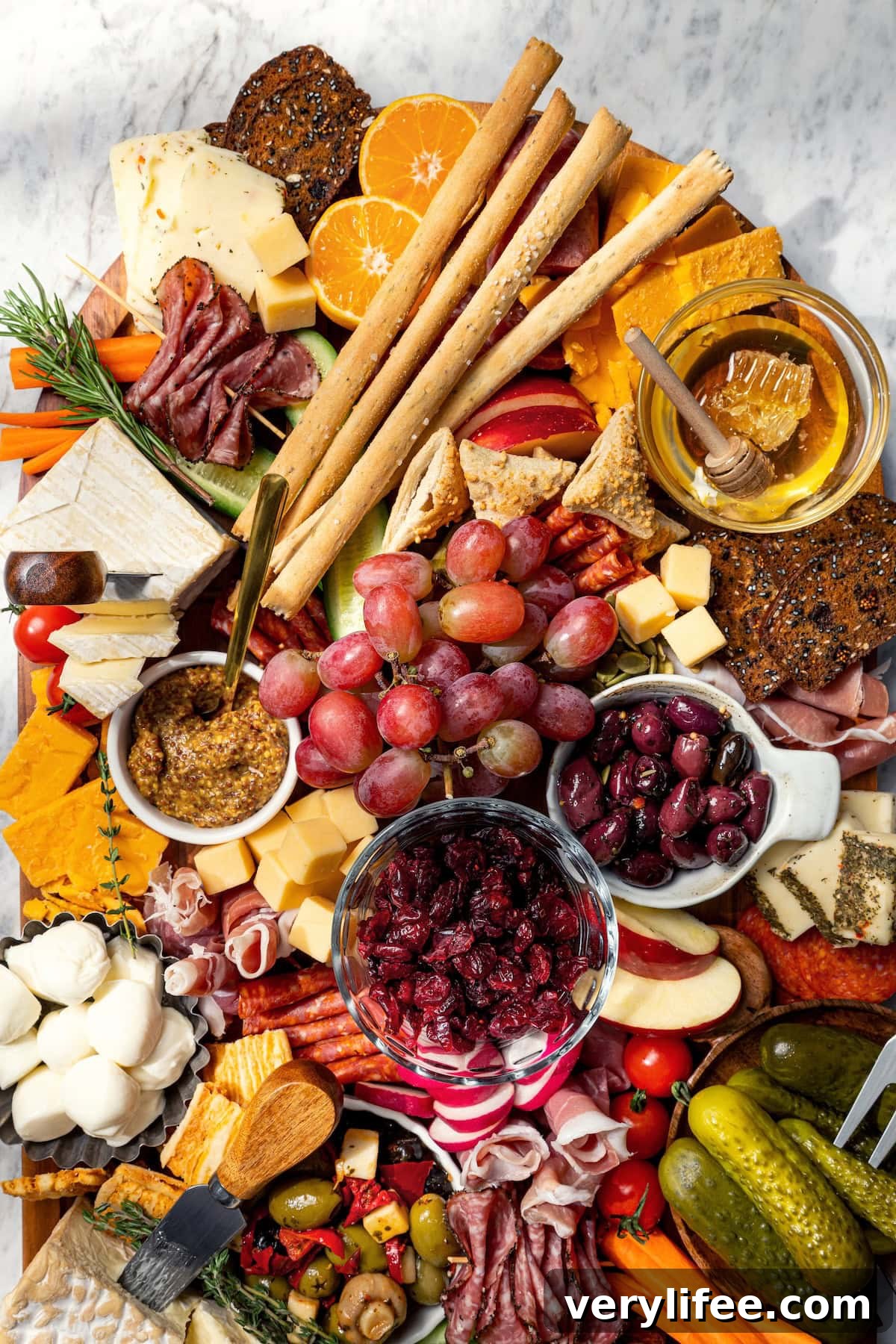
An Epic Charcuterie Board Is Easier Than You Think!
Charcuterie and cheese boards are my go-to for relaxed, stress-free entertaining all year long. With a little planning and a few creative touches, you can create an elegant appetizer or light meal that suits groups of any size. Combine your favorite cheeses and cured meats with fruit, nuts, pickles and spreads. Add a simple salad, some crusty bread or crackers and a bottle of wine, and you have a delicious, shareable meal.
What to Add to a Charcuterie Board
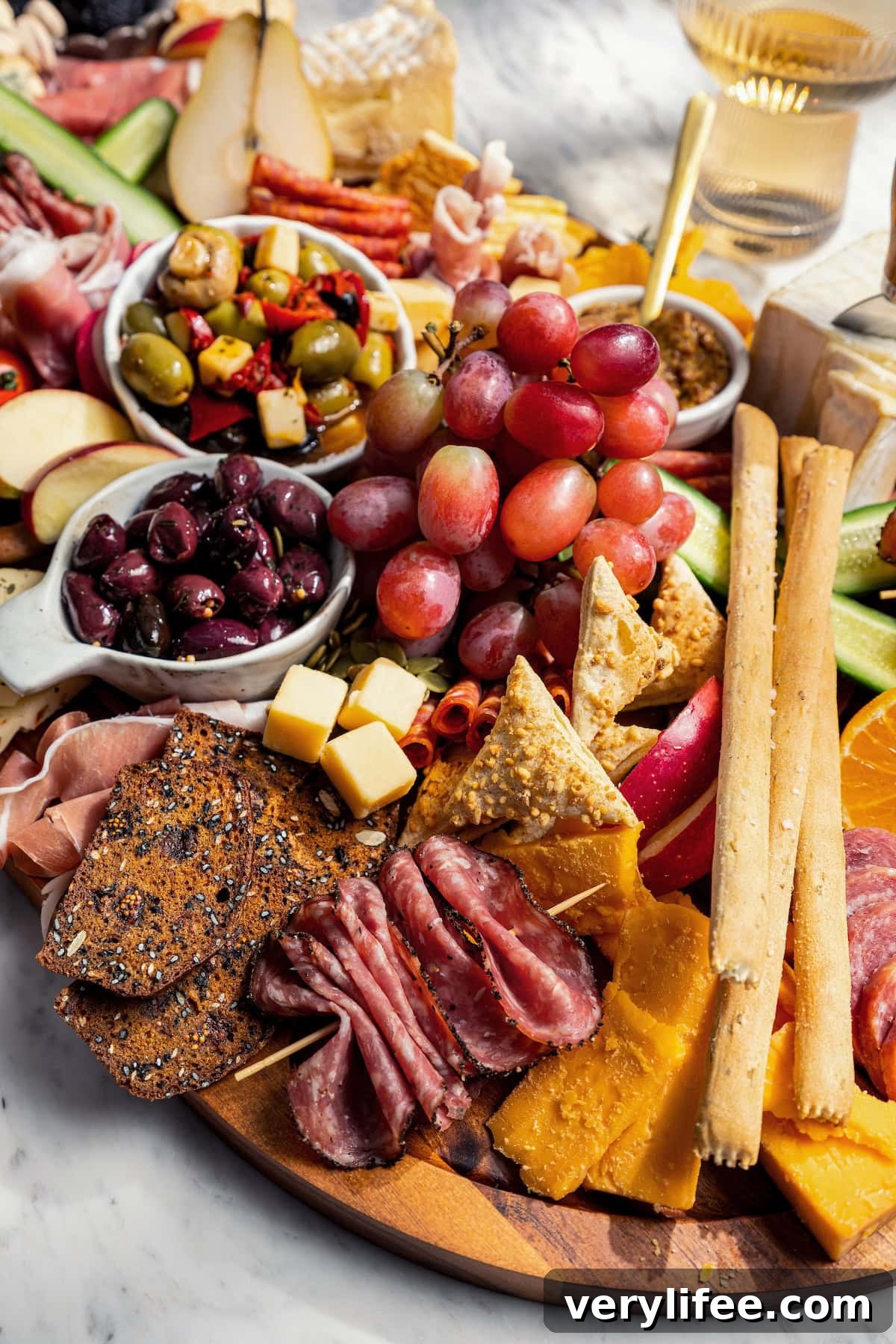
The heart of any charcuterie board is a balanced selection of meats and cheeses. Aim for contrast in texture and flavor—soft and firm cheeses, spicy and mild meats—then round the board out with pickled items, fresh fruit, nuts, and a variety of crackers or bread to add crunch and an easy way to serve.
Why Charcuterie Boards Are My Favorite Party Trick

Charcuterie boards are flexible, customizable, and easy to assemble. They look elegant with minimal effort and can be tailored to fit any dietary preference. I usually pair them with a few hot or cold dips and additional appetizers for a fuller spread. Here’s why they work so well:
- Visually stunning: A well-arranged board is eye-catching—almost like edible art that draws people to the table.
- Something for everyone: With a wide variety of tastes and textures, guests will always find something they enjoy.
- Simple to make: Assembly is straightforward: choose components, arrange thoughtfully, and adjust as you go. You can always reposition items until it looks right.
- Easy to scale: Make a small board for a solo snack or scale up to feed a crowd—charcuterie adapts to your needs.

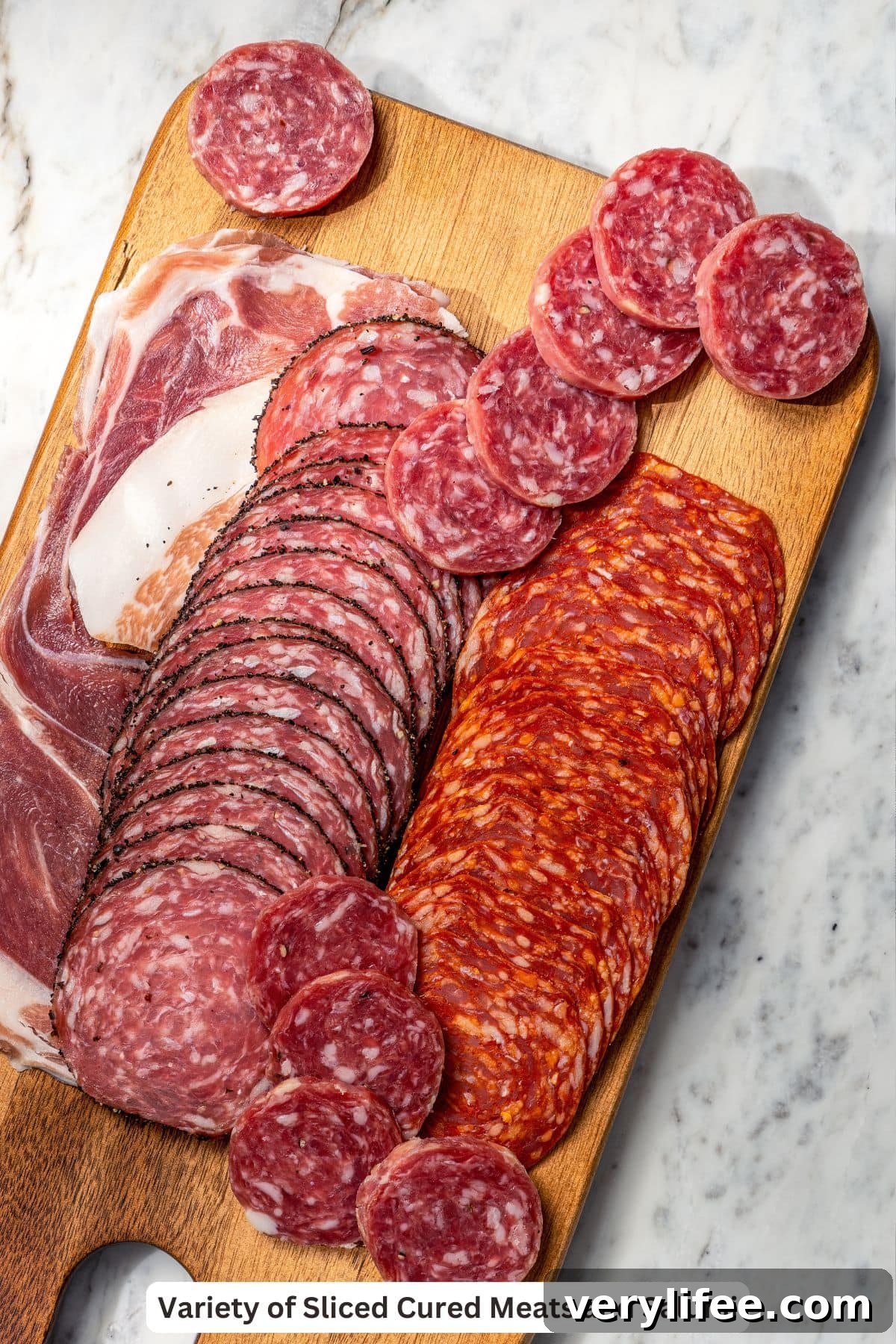
Cured meats: Prosciutto, Genoa salami, chorizo, sopressata, ham and other cured sausages are classic choices. If you have a local deli or specialty market, pick up a few different styles to create variety in flavor and texture.
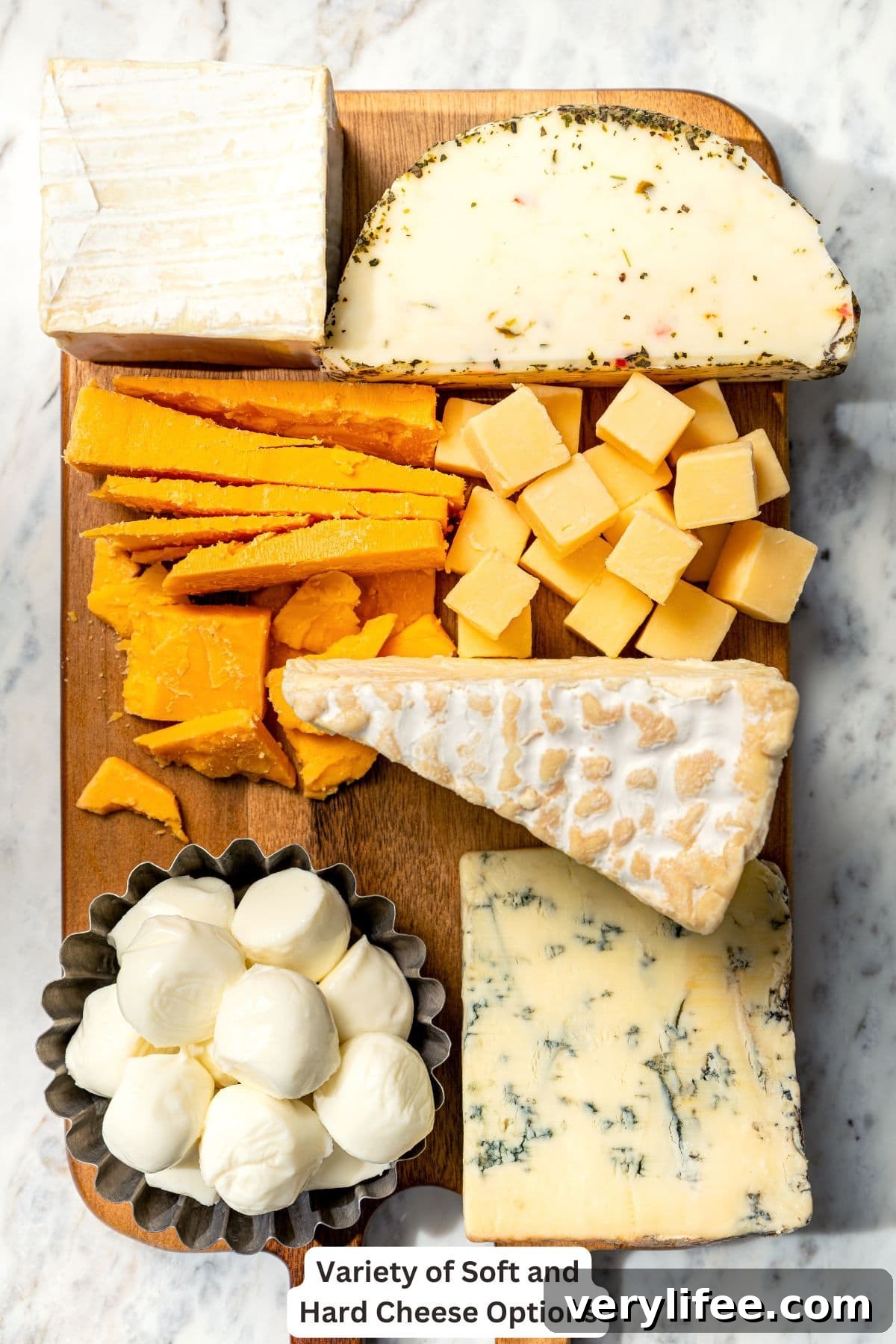
Cheese: Offer a mix of soft, semi-soft and hard cheeses. Soft options include Brie, burrata or Camembert; firmer cheeses include cheddar, Manchego, Parmesan and Gouda. Don’t forget creamy choices such as blue cheese, gorgonzola or goat cheese for richness. If possible, ask a cheese monger for recommendations to expand your selection.
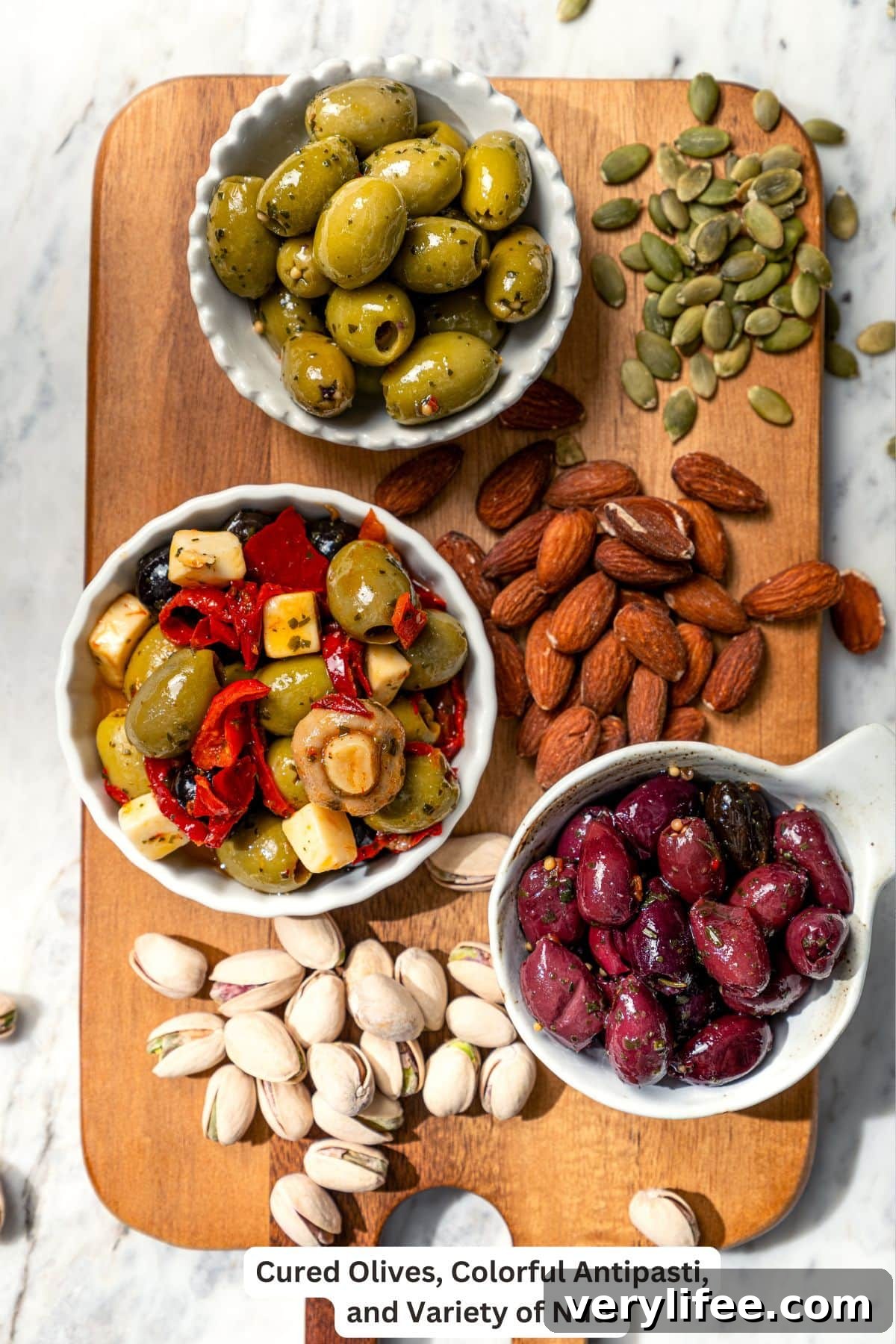
Accompaniments: Olives, cornichons, pickled vegetables and marinated items add bright, briny contrast to rich meats and cheeses. Nuts such as almonds, pistachios or pine nuts add crunch and a nutty flavor.
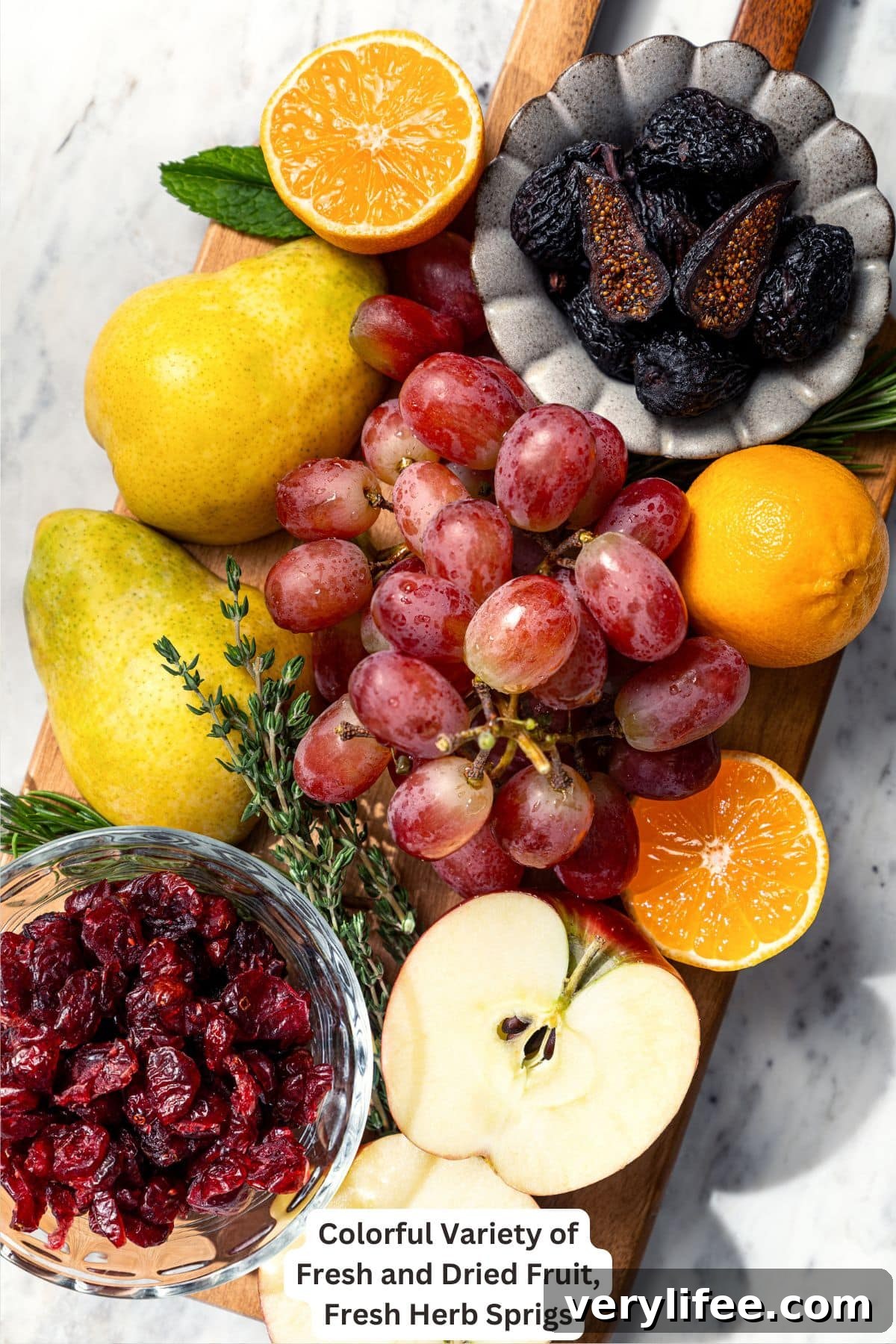
Fruit: Use seasonal fresh fruit such as grapes, berries, pears, apples or figs, arranging small bunches or clusters for visual appeal. Dried fruit—apricots, figs or cranberries—also adds concentrated sweetness that pairs well with many cheeses.
Fresh herbs: Sprigs of rosemary, thyme or mint add color and a fresh aroma. They’re also handy for filling small gaps and adding texture.
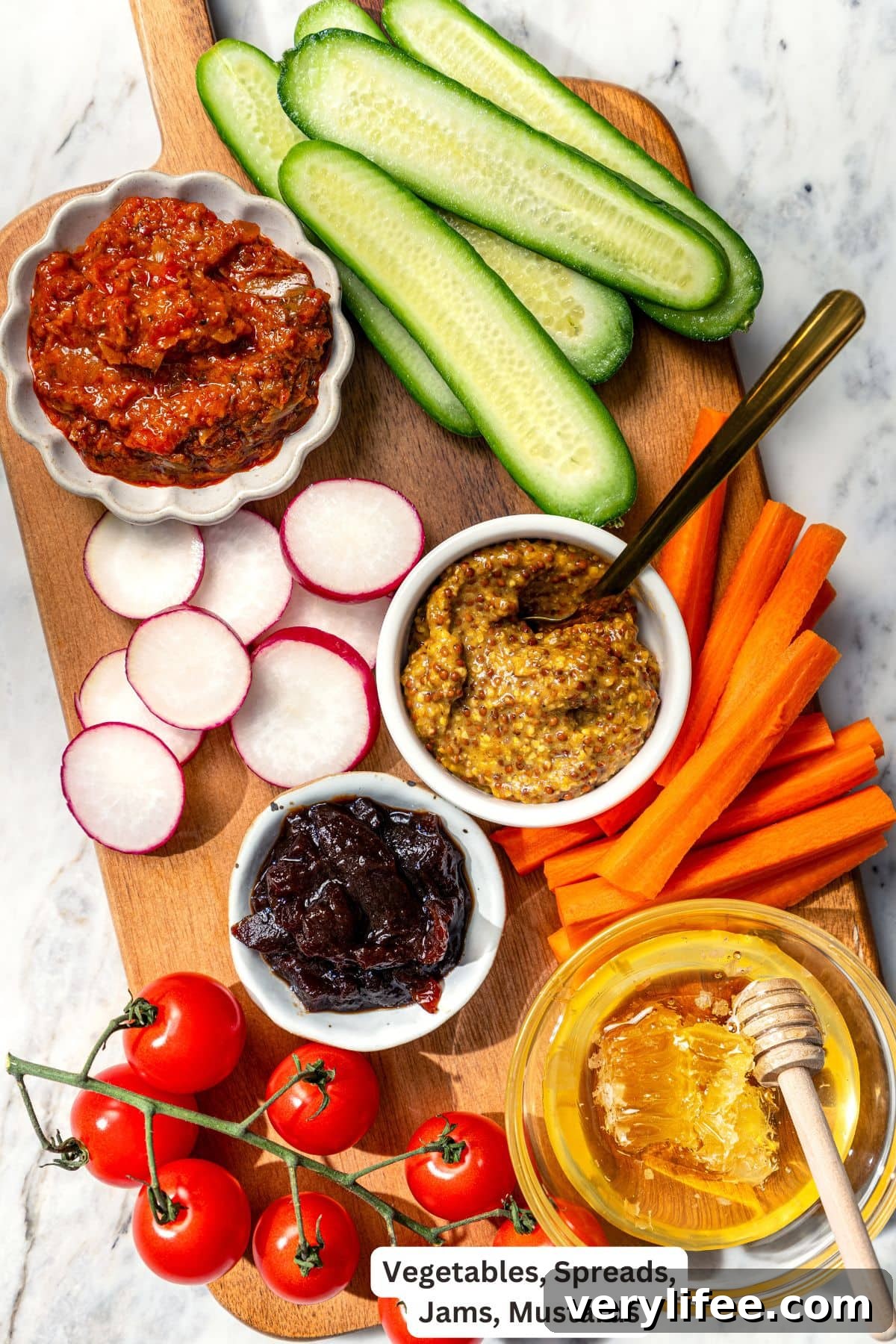
Spreads and dips: Hummus, tapenade, honey, fruit preserves and grainy mustards are excellent for balancing salty meats and rich cheeses. Smooth, whipped cheese dips or flavored spreads can be a crowd-pleaser.
Vegetables: Roasted vegetables—peppers, eggplant or zucchini—bring savory depth, while raw seasonal vegetables like cherry tomatoes, cucumber slices, carrots and radishes add crunch and brightness.
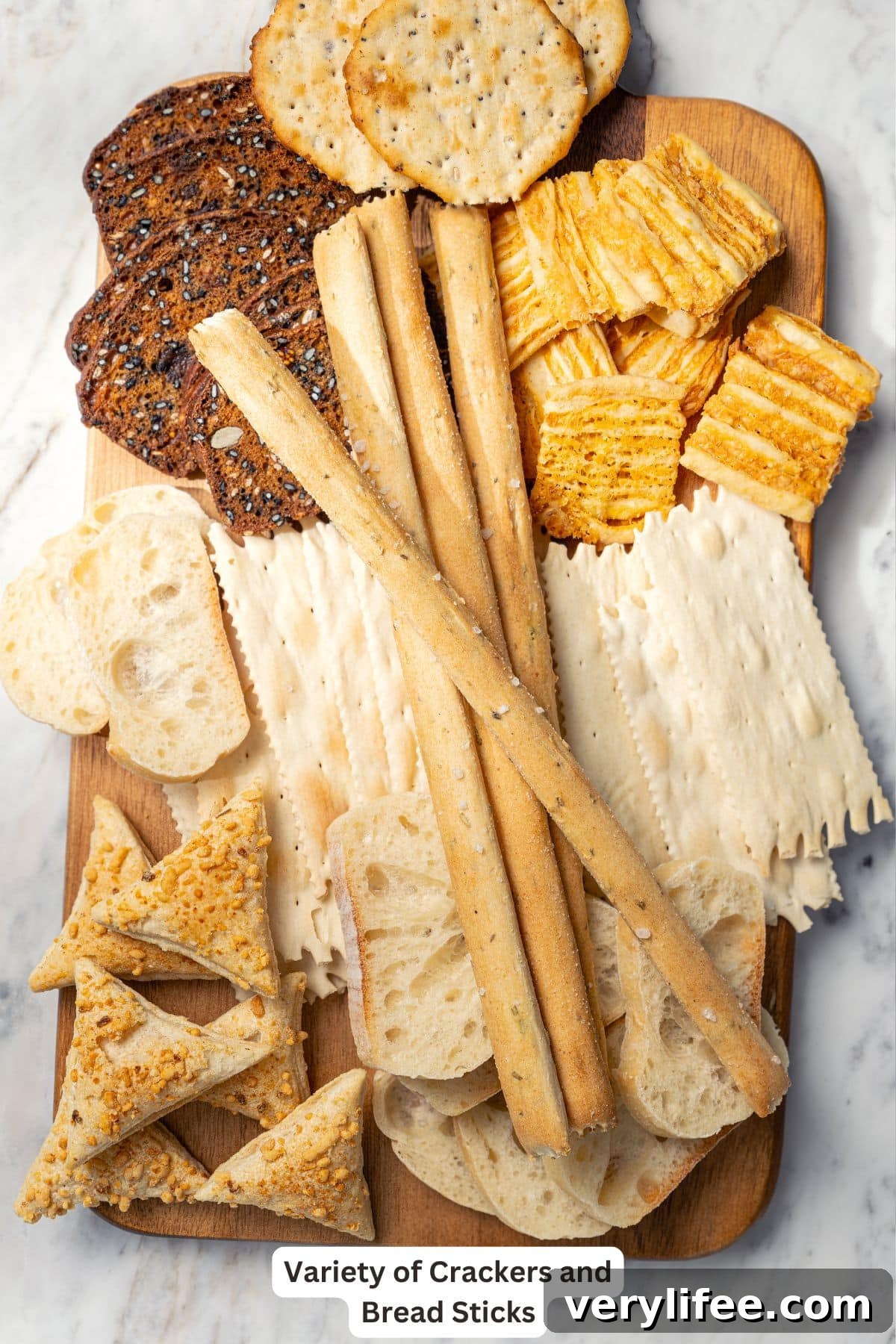
Crackers and bread: Provide a variety of bases for the cheeses and spreads—thin crackers, seeded crisps, breadsticks and sliced baguette. Include gluten-free options if needed.
How to Arrange a Charcuterie and Cheese Board
After selecting your meats, cheeses and accompaniments, arrange them thoughtfully so the board is attractive and easy to navigate. Focus on balance—color, texture and height—to create a pleasing, inviting presentation.
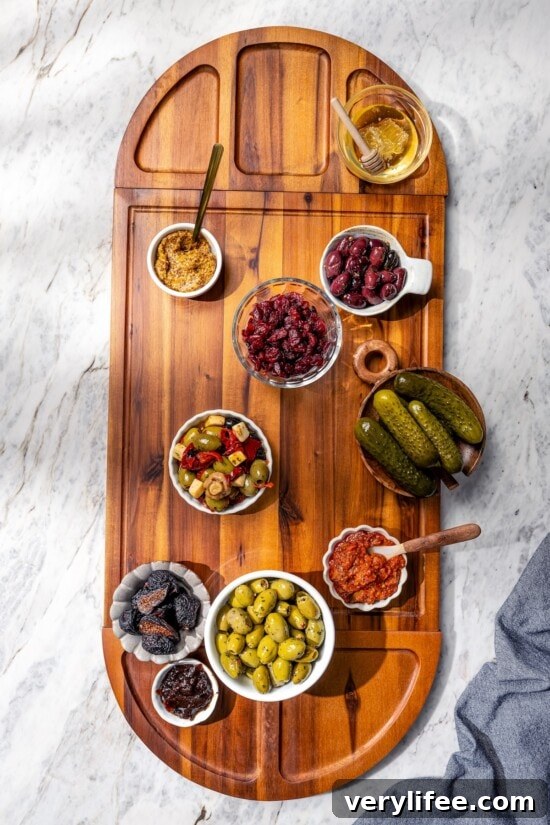
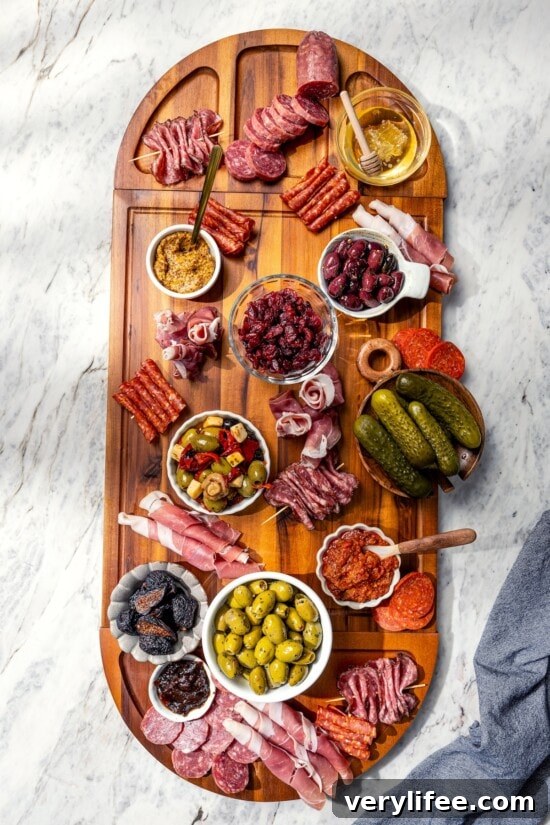
- Choose your board: Use a large platter, wooden cutting board, slate or marble slab—whatever fits your space and aesthetic.
- Start with larger items: Place bowls of olives, dips or spreads first. Then position your cheese selection and any large meat portions.
- Fill in with meats and cheeses: Arrange sliced, folded or rolled meats near cheeses that pair well. Vary shapes—slices, wedges, cubes—to make the board more interesting.
- Fill gaps and add color: Scatter nuts, fruit and small bites to fill empty spaces and add pops of color. Use herbs or small bunches of grapes to finish the look.
- Serve with utensils: Provide cheese knives, spoons for spreads and small plates so guests can serve themselves cleanly.
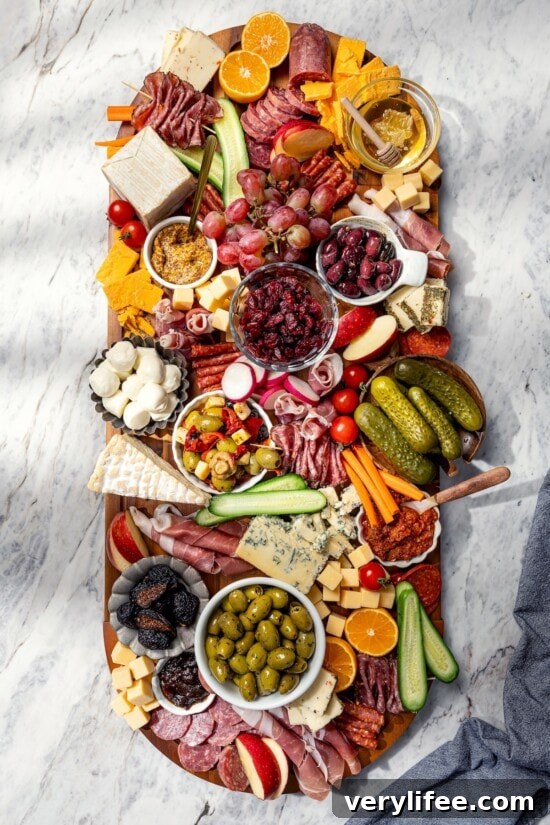
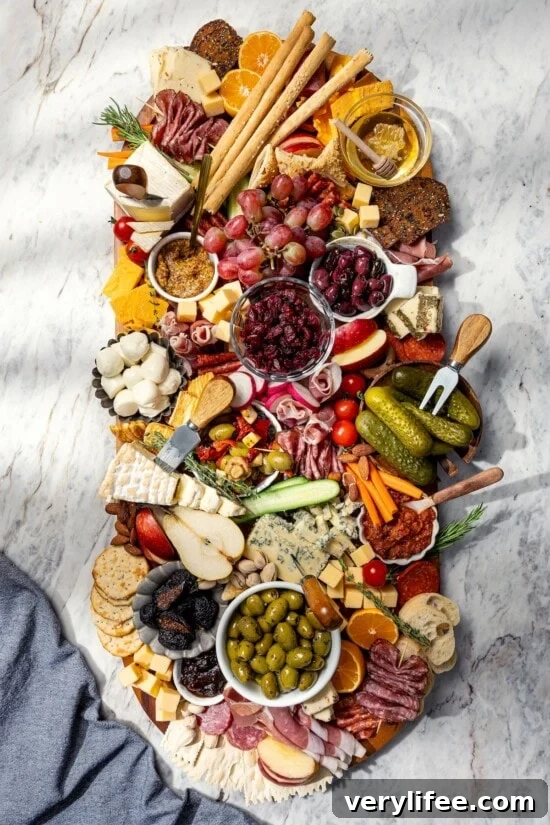
More Meat and Cheese Board Tips
- More is more: Aim for abundance—fill the board so there are no large empty spaces. Small accents like herb sprigs or grape clusters work great for filling gaps.
- Play with shapes: Cut cheeses in different styles—wedges, cubes, thin slices—and arrange meats as rosettes, ribbons or small stacks to create visual interest.
- Add height: Stack items or use small bowls to create vertical dimension so the board looks attractive from any angle.
- Use color intentionally: Offset similar tones with vibrant fruit, bright pickles or colorful spreads to make the display pop.
Make-Ahead Game Plan
When preparing ahead, refrigerate items that hold up well—most cheeses, cured meats, many fruits and roasted vegetables. Keep crackers, breads, nuts and any delicate items separate and add them to the board just before serving to preserve texture and crunch.
More Boards You May Love
- Crudité platter with colorful raw vegetables
- Antipasto salad platter featuring marinated vegetables and cheeses
- Grilled vegetable board served with yogurt-mint or herbed sauces
- Bagel brunch board with smoked fish and cream cheese variety
- Sheet-pan pancake board topped with mixed berries and yogurt
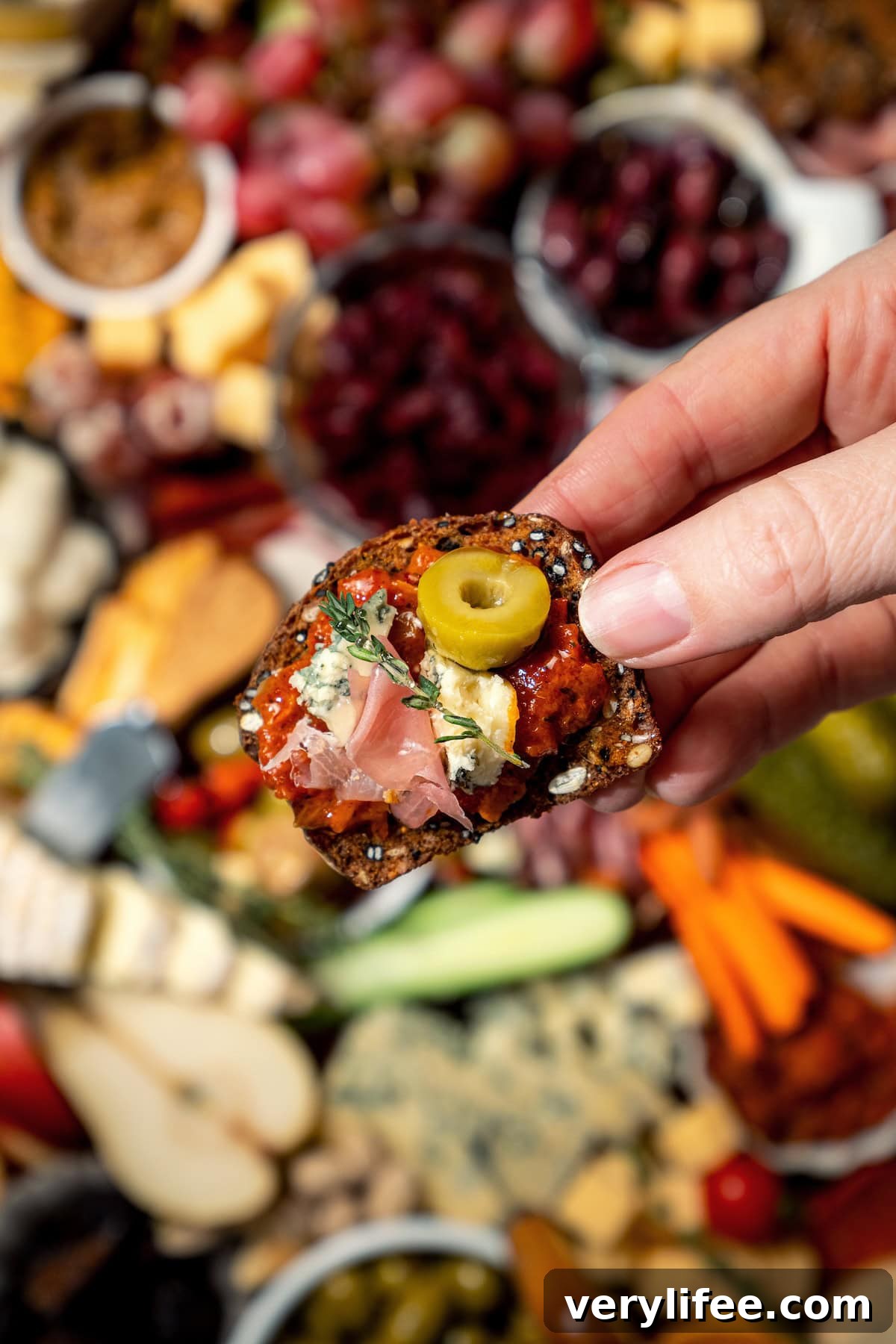
How to Make a Charcuterie and Cheese Board
Assemble a mix of cheeses, cured meats and a selection of accompaniments to create a beautiful and shareable charcuterie board for a party or casual gathering.
Prep: 30 mins
Cook: 0 mins
Total: 30 mins
Ingredients
- Variety of sliced cured meats and salumi (e.g., sopressata, salami, prosciutto, pepperoni)
- Assortment of soft and hard cheeses (e.g., Brie, Havarti, Gouda, Provolone, blue cheese)
- Olives and colorful antipasti (marinated vegetables, roasted peppers)
- Roasted and fresh vegetables (optional)
- Spreads, jams and mustards
- Selection of fresh and dried fruit (grapes, berries, dried apricots)
- Variety of nuts (pistachios, almonds, pine nuts)
- Fresh herb sprigs for garnish (mint, rosemary, thyme)
- Crackers and breadsticks (include gluten-free options if needed)
Instructions
- Select one or more boards or platters—cutting boards, slate, marble or large platters all work well.
- Place bowls of spreads, dips, olives or jams on the board first to anchor the layout.
- Arrange cheeses next, spacing them around the board so guests can access them easily.
- Add sliced and folded meats around cheeses; create small rosettes or ribbons for visual appeal.
- Scatter crackers, bread and breadsticks in accessible spots. Keep extra crackers in a separate container until serving if you made the board ahead.
- Fill remaining gaps with fruit, nuts, pickles and fresh herb sprigs to balance color and texture.
- Provide cheese knives, spoons for spreads and small plates so guests can serve themselves cleanly.
Last step:
If you try this board, consider sharing feedback or a photo—it’s always helpful to know how dishes work for real gatherings.
Final Notes
A successful charcuterie board balances flavor, texture and color. Don’t worry about perfection—focus on variety and generous portions. With these tips, you can build an attractive spread quickly and confidently. Enjoy creating your board and sharing it with friends and family.