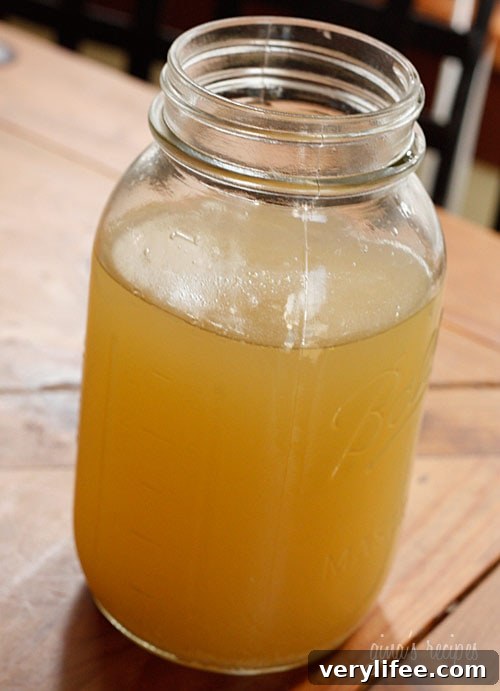
There’s nothing more comforting than coming home to a pot of homemade chicken broth, and it’s a great way to use up odds and ends from your refrigerator. This simple method works well in a slow cooker or on the stovetop: toss the ingredients together, simmer low and slow, then strain to reveal a rich, clear stock you can use in soups, stews, sauces, and more. Save any cooked chicken for recipes that need shredded meat, such as chicken salad or chicken noodle soup.
Homemade Chicken Broth From Your Crock Pot
Many people ask for a specific “chicken soup” recipe, but the beauty of making stock is that it’s flexible and forgiving. Use whole chicken pieces, leftover carcasses, giblets, wing tips, or backs—whatever you have. This version yields a clean-tasting broth that serves as an excellent base for countless dishes.
Ingredients
- 3 chicken breast halves (or equivalent chicken pieces / bones)
- 1 onion, quartered
- 1 tomato, quartered (optional)
- 1 cup carrots, roughly chopped
- 2 celery stalks, roughly chopped
- 2 cloves garlic, smashed
- 2–3 sprigs fresh thyme (or other fresh herbs)
- 3 bay leaves
- A handful of fresh herbs such as cilantro or parsley (optional)
- Whole peppercorns, to taste
- Kosher salt, to taste
- Cold water to cover
Instructions — Slow Cooker (Crock Pot)
- Place the chicken pieces (or carcasses), vegetables, herbs, peppercorns and bay leaves into the slow cooker.
- Fill with cold water until ingredients are covered by about an inch or so.
- Cover and cook on high for about 4 hours, or on low for 8 hours. Longer, gentler cooking extracts more flavor from bones if you’re using them.
- When the cooking time is complete, discard the solids. Strain the broth through a fine mesh sieve or cheesecloth into a clean container to remove any small bits.
- Remove any usable cooked chicken meat for other recipes. If you plan to refrigerate the stock, chill it quickly and then refrigerate for up to 2 days or freeze for several months.
- Once chilled, the fat will congeal at the top and can be easily removed for a leaner broth.
Stovetop Directions
- Combine all ingredients in a large stockpot and cover with cold water.
- Bring to a gentle boil, then reduce heat and simmer very gently for several hours (3–6 hours) depending on the parts used. Keep the pot partially covered and skim any foam or impurities that rise to the surface.
- Strain and cool as described above, reserving cooked chicken if desired.
Tips and Variations
- Use a mix of bones and meat for the best body and flavor: carcasses, backs, necks and wings are ideal for a gelatinous, flavorful stock.
- Don’t over-salt the broth while cooking. It’s better to season lightly and adjust salt later when using the stock in a final dish.
- Add a splash of apple cider vinegar (about 1–2 tablespoons) at the start to help draw minerals from the bones if you want a richer stock.
- For a clearer broth, strain through a fine-mesh sieve lined with cheesecloth or a coffee filter.
- Freeze stock in portion-sized containers or ice cube trays for easy use in sauces and small recipes.
- Vegetable scraps such as carrot peels, onion ends, and celery tops make excellent additions—just avoid bitter items like brassica cores (broccoli, cabbage) which can cloud or alter the flavor.
Uses
This homemade chicken broth is a versatile pantry staple. Use it as the base for classic chicken noodle soup, chicken and avocado soup, cream-style vegetable soups, risottos, grain cooking, braises, pan sauces, and many other dishes that benefit from a well-flavored liquid.
Storage
- Refrigerate in airtight containers for up to 2 days.
- Freeze for up to several months—label containers with the date and portion size for convenience.
- When reheating, bring to a boil briefly if previously frozen, and skim any foam before using.
Nutrition (approximate per 1 cup)
Serving size: 1 cup — Calories: about 10 kcal; Protein: about 1 g; Sodium: varies depending on salt added; Sugar: minimal. Exact values will depend on ingredients and added salt.
Final Note
Making broth at home is economical, reduces waste, and gives you complete control over flavor and seasoning. It’s a straightforward process that rewards you with a richer, fresher foundation for any soup or sauce. Try keeping a batch ready in the freezer so you always have quality stock on hand.