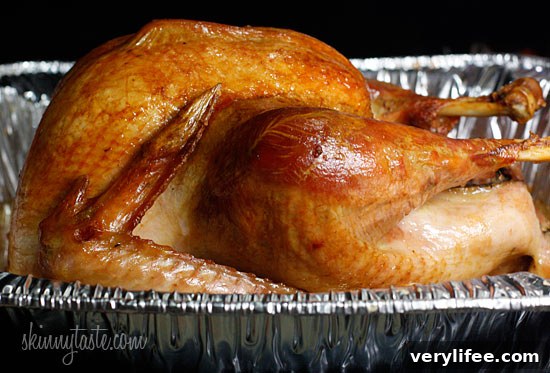
For a juicy, flavorful turkey without using butter or oil, brining is a game changer. Soaking the bird in a well-seasoned brine overnight locks in moisture and seasons the meat through and through. Once you try a brined turkey, you may never want to roast one any other way.
Roasting a turkey can feel intimidating the first time, but with a little planning and the right equipment it is straightforward. Make room in the refrigerator, gather a probe thermometer and a roasting pan, and plan to brine the bird the night before. A probe thermometer ensures you hit the correct internal temperature, and a basic roasting pan works just fine—no fancy gear required.
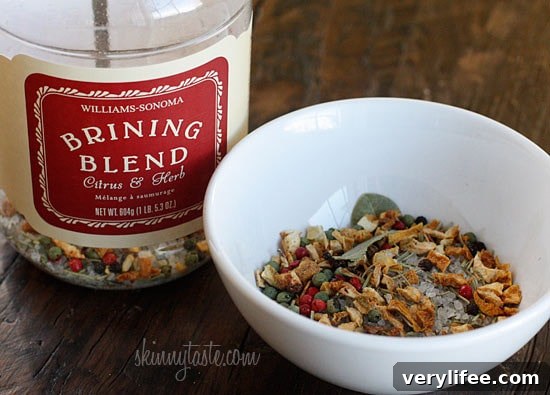
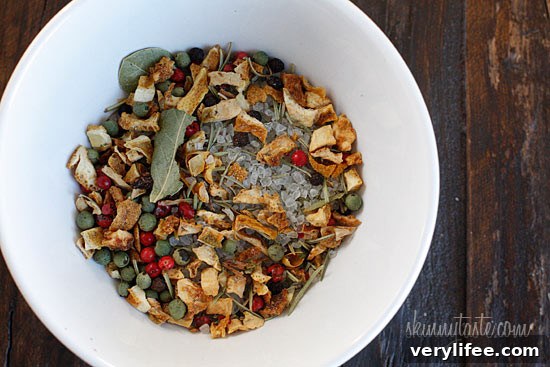
Brines can be simple or elaborate. A versatile citrus-and-herb brine combines coarse kosher salt, cane sugar (or brown sugar), citrus peels, rosemary, a mix of peppercorns, thyme, sage, and bay leaves. You can replace some of the water with apple cider or vegetable stock for more depth, and other additions—such as cinnamon sticks, star anise, chopped apple, or candied ginger—work well too. The brine ingredients are flexible; use what you enjoy and what’s available.
Thanksgiving Planning Checklist
Good timing and organization make the whole process easier. Decide how many people will be eating, plan your menu, and collect the recipes you’ll use. Below are practical steps to keep you on track.
Make room in the fridge
Clear out or use up items that occupy fridge and freezer space so you can store the brining container and the turkey. You’ll need a cold place large enough for a brine-covered turkey.
Go shopping early
Check your pantry and make a shopping list for everything you’ll need. Buying pantry staples and specialty ingredients in advance reduces stress when stores get busy.
Don’t forget the thermometer
A probe or instant-read thermometer is essential. A whole turkey is safe to eat when the minimum internal temperature reaches 165°F in the deepest part of the breast; many cooks prefer to remove the bird slightly higher for texture and carryover cooking—see the recipe notes below.
Brine the turkey
Plan to brine the turkey 24 hours before roasting. Brining time helps the meat retain moisture and imparts flavor throughout the bird.
Buy brining bags or a container
To simplify cleanup and containment, use a large brining bag or line a 5-gallon container with a food-safe bag. Submerge the turkey completely in the brine; if the turkey is not fully covered, turn it over halfway through the brining period.
Remove and dry before roasting
Take the turkey out of the refrigerator (and out of the brine, if applicable) about an hour before it goes into the oven. Rinse the brine off thoroughly with cold water, pat the turkey dry, and let it sit at room temperature for about an hour to ensure even cooking and a moist result.
What size bird should I buy?
Estimate about one pound of turkey per person for generous portions and leftovers.
When should I buy a fresh turkey?
Buy a fresh turkey a few days before you plan to cook it—too early and it may spoil. Many cooks pick up a fresh bird the Tuesday before Thanksgiving. If you prefer a specific size, some stores let you reserve or call ahead.
How long does it take to thaw a frozen turkey?
The safest method is to thaw in the refrigerator. A 20-pound frozen turkey requires about four days in the fridge to thaw completely. Once thawed, it’s safe in the refrigerator for another day or two before cooking.
How to Roast a Brined Turkey
Brining transforms a turkey into a moist, well-seasoned centerpiece. The recipe below outlines a classic citrus-and-herb brine and simple roasting steps that deliver consistent results without added butter or oil.
Ingredients — Citrus and Herb Brine
- 1 cup kosher salt
- 1/2 cup cane sugar (or brown sugar)
- 4 sprigs fresh rosemary (or 1/4 cup dried)
- 1 tablespoon black peppercorns
- 1 tablespoon green peppercorns
- 1 tablespoon red peppercorns
- 10 fresh sage leaves (or 3 tablespoons dried)
- 2 tablespoons fresh thyme
- 6 bay leaves, chopped
- 1 lemon peel
- 1 orange peel
- 2 gallons water (total)
- 1 fresh turkey (any size; if frozen, thaw 4 days in the refrigerator)
Instructions
- Night before roasting: remove the turkey’s innards and rinse the cavity and exterior with cold water.
- Bring 1 gallon of water and the brine ingredients to a gentle boil. Simmer for 2–3 minutes, then remove from heat and cool to room temperature. Add ice or cold water to speed cooling if needed.
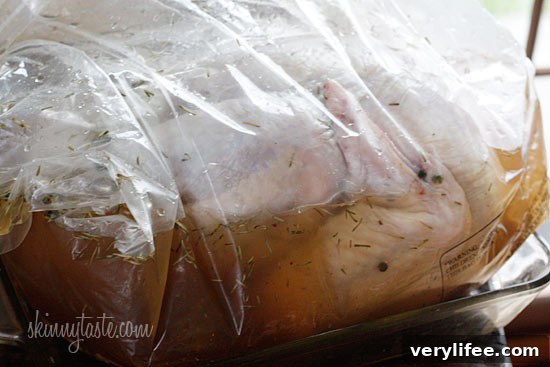
- Once cooled, combine the brine with the remaining gallon of ice water. Submerge the turkey completely in the brine. Use a large brining bag, food-safe container, or a 5-gallon bucket if needed.
- Refrigerate the submerged turkey overnight (about 12–24 hours). If the turkey is not fully covered, flip it halfway through brining to ensure even exposure.
- On roasting day: an hour before cooking, remove the turkey from the brine, discard the brine, and rinse the bird thoroughly with cold water. Pat the turkey dry with paper towels and place it breast-side up on a flat rack in a shallow roasting pan. Let it sit at room temperature for about an hour so it cooks evenly.
- Preheat the oven to 325°F (165°C).
- Roast the turkey on the center rack. For an unstuffed bird, plan about 13 minutes per pound as a guideline; cooking times vary by bird size and oven. Roast until a thermometer inserted into the thickest part of the breast reaches 170°F. If you prefer, check the deepest part of the thigh for doneness as well.
- Baste the turkey with pan juices every 45 minutes to keep the exterior moist and encourage even browning. When the thermometer reads 170°F in the deepest part of the breast, remove the turkey from the oven and let it rest 15–20 minutes before carving to allow juices to redistribute.
Final tip: after carving, taste the meat and adjust seasoning to your preference. Brining adds flavor and moisture, so you may find you need less salt at the table. If you prepare this brined turkey, share your experience with friends and family—it’s a reliable method for producing a memorable holiday centerpiece.