
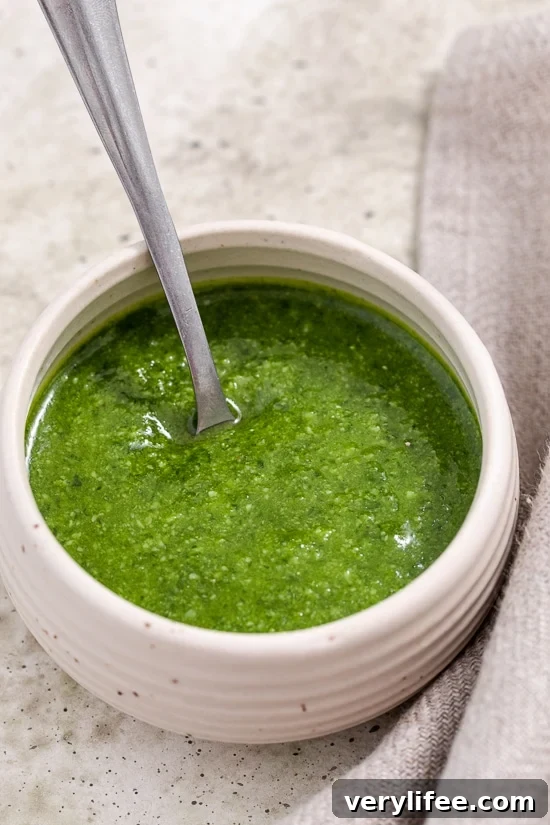
My homemade basil pesto combines fresh basil leaves, garlic, and Parmesan cheese to create a bright, herb-forward sauce. By leaving out the pine nuts and using less olive oil than a traditional pesto, this lighter version still delivers classic flavor while being a little lower in fat. It’s quick to make, freezes beautifully, and brightens everything from pasta to grilled fish.
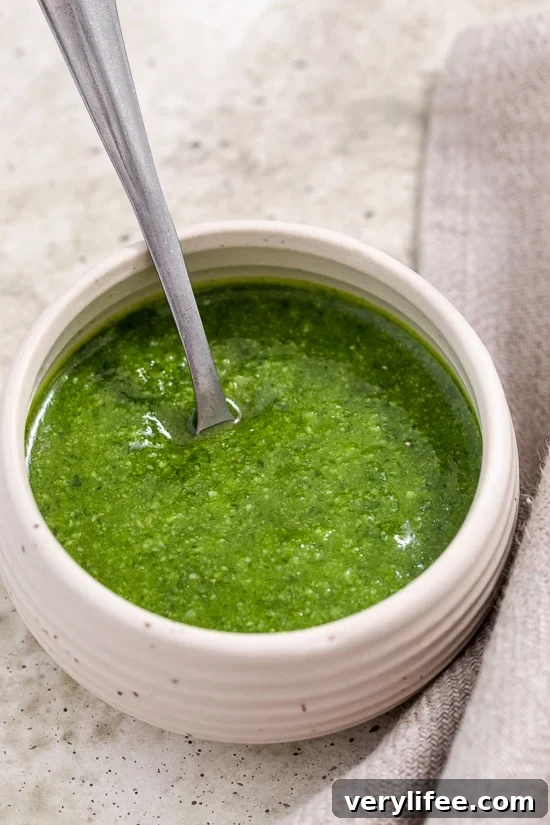
Fresh Basil Pesto Recipe
Every summer my garden basil goes wild, and making pesto is my favorite way to preserve that fresh flavor. Traditional pesto often contains generous amounts of oil and pine nuts; this recipe trims both without sacrificing taste. Use it as a sauce for pasta or roasted vegetables, a spread for sandwiches and paninis, a topping for grilled chicken or salmon, or a quick marinade for shrimp. Make a big batch at the end of summer and freeze portions so you can enjoy a taste of summer all year long.
Why This Is My Go-To Basil Pesto Recipe
- Nut-free option: I often skip pine nuts — you don’t miss them when the basil and Parmesan shine through.
- Lower in oil: Reducing olive oil keeps calories down and lets you use a little more sauce without overdoing the fat.
- Versatile: Pesto works on pasta, grain bowls, sandwiches, pizzas, as a marinade, or brushed over fish before cooking.
- Easy to preserve: Freeze portions to enjoy basil flavor off-season; a few cubes or spoonfuls go a long way.
- Fast to make: In about five minutes you can have fresh pesto ready to use.
What You’ll Need
These simple, fresh ingredients are all you need. Quantities and step-by-step instructions are in the recipe card below.
- Basil: Sweet Genovese basil is classic, but any fresh basil will work.
- Garlic: Use fresh cloves for a bright, pungent flavor; roasted garlic can be substituted for a mellow, sweeter result.
- Grated Parmesan: Adds savory, salty depth; Pecorino Romano works as an alternative if you prefer.
- Salt & black pepper: Adjust to taste.
- Olive oil: A modest amount gives a smooth texture without making the pesto heavy.
How to Make Basil Pesto
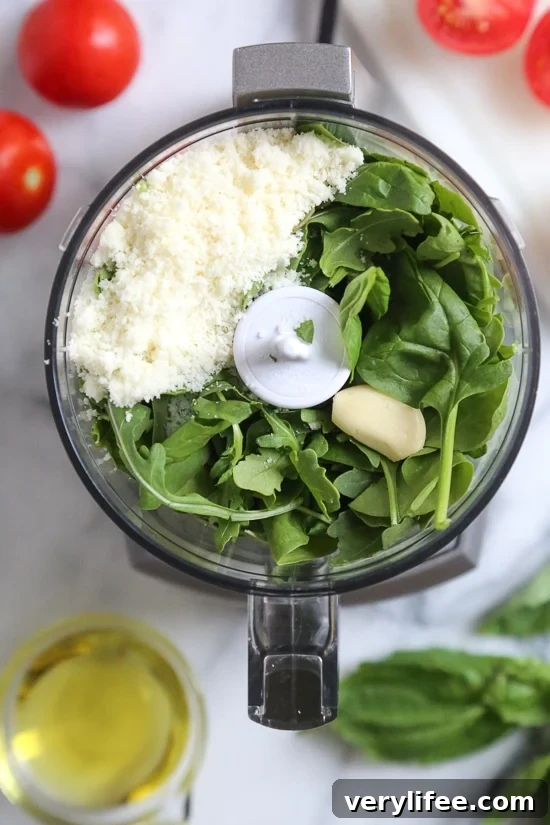
Making pesto is straightforward and fast. Use a food processor or high-speed blender for the best texture.
- Pulse: Combine basil leaves, garlic, grated Parmesan, salt, and pepper in the food processor and pulse until the herbs are finely chopped and the mixture starts to come together.
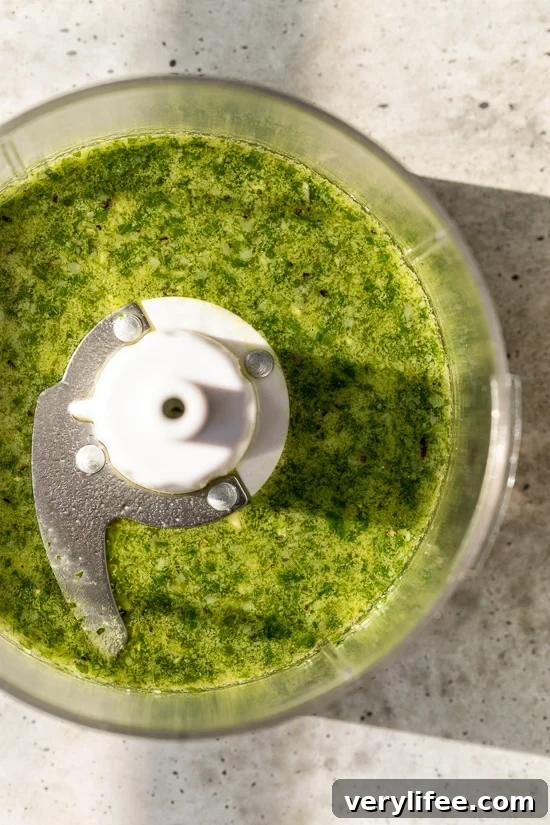
- Add the oil: With the processor running, slowly drizzle in the olive oil until the pesto reaches a smooth, spreadable consistency.
- Finish: Taste and adjust seasoning. Serve immediately, refrigerate, or freeze portions for later.
Tips and Variations
- Try different herbs: Parsley or cilantro make excellent alternatives; cilantro pesto pairs especially well with chicken or Mexican-inspired dishes.
- Add nuts if you like: If you prefer a more traditional texture, add pine nuts or swap in almonds or walnuts for a more economical choice.
- Watch processing time: Avoid over-processing the pesto, which can cause bitterness from the oil. Process the basil and cheese first, then add oil last. If the pesto tastes bitter, a pinch more salt or extra cheese can help balance it.
- Roasted garlic: Replace raw garlic with a head of roasted garlic for a sweeter, mellower pesto.
How to Serve Basil Pesto
Fresh basil pesto is extremely versatile. A few serving ideas:
- Pasta: Toss with zucchini noodles, spaghetti squash, or your favorite pasta and add shrimp, chicken, or roasted vegetables like tomatoes, mushrooms, or spinach.
- Sandwiches: Spread on baguettes or ciabatta and layer with grilled vegetables and fresh mozzarella.
- Burgers: Use as a condiment for turkey or veggie burgers.
- Marinade: Marinate shrimp or chicken in pesto before grilling for extra flavor.
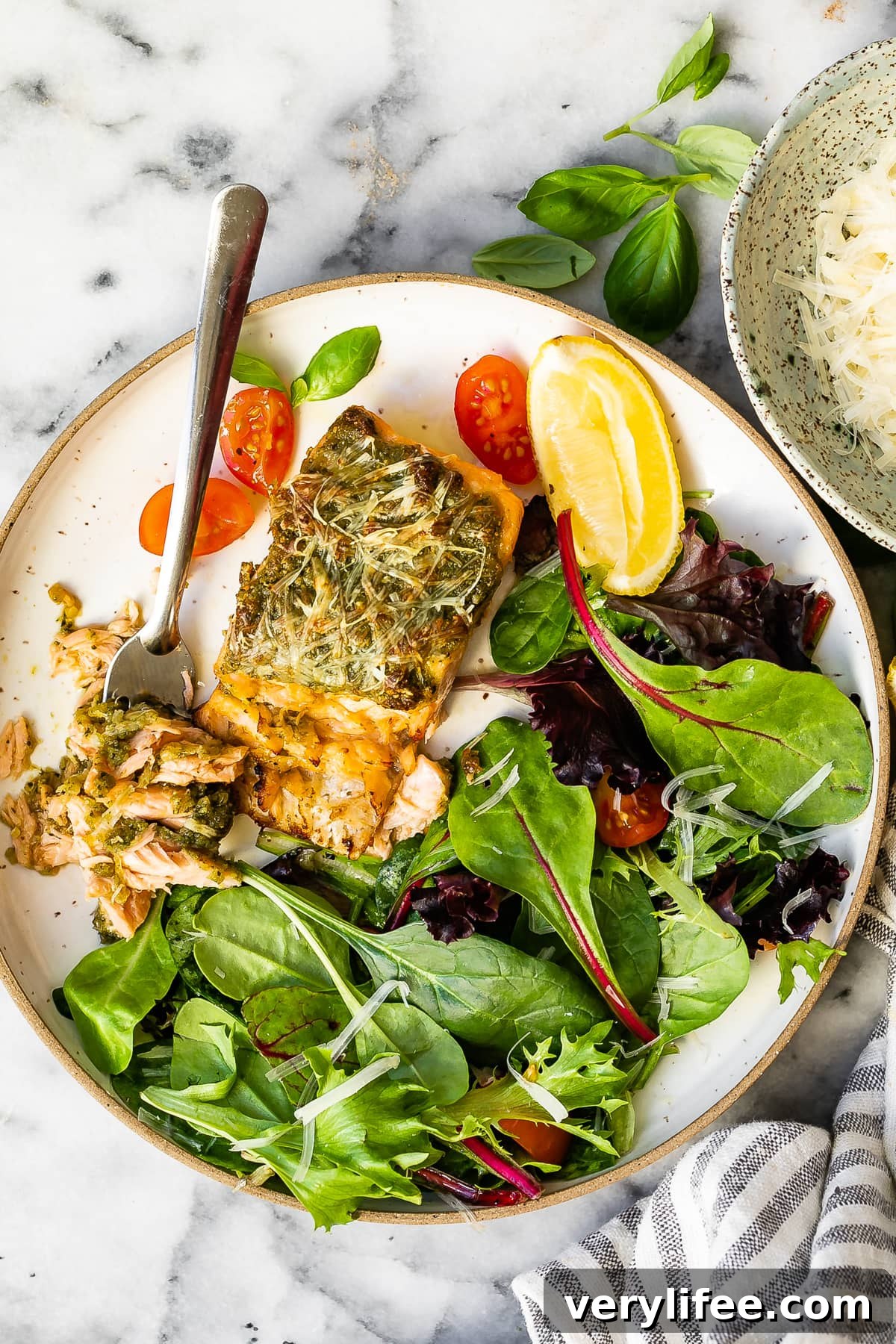
- Fish: Brush over salmon or white fish before baking or grilling.
- Pizza: Replace tomato sauce with pesto for a fragrant base.
- Grain bowls: Stir into couscous, quinoa, or brown rice and top with grilled vegetables and protein.
Proper Storage
- Refrigerator: Store pesto in a sealed jar or airtight container for up to 3 days. Press a thin layer of olive oil over the surface to help reduce browning.
- Freezer: Freeze pesto in ice cube trays, mini silicone muffin pans, or small containers for up to 3 months. Once frozen, transfer cubes or portions to a freezer bag for easy use. Frozen portions thaw quickly and can be added directly to hot pasta or sauces.
More Pesto and Sauce Ideas
- Peruvian green sauce
- Garlic scape basil pesto
- Basil oil
- Quick marinara sauce
- Homemade Kansas City style BBQ sauce
- Tzatziki sauce
Basil Pesto
This fresh basil pesto is made with basil, garlic, and Parmesan. Leaving out the pine nuts and reducing the olive oil makes it lighter without losing flavor.
Prep: 5 mins | Cook: 0 mins | Total: 5 mins
Yield: 5 servings | Serving size: 1 Tbsp
Ingredients
- 1 cup basil leaves, packed
- 1 clove garlic (or more to taste)
- 1/4 cup grated Parmesan cheese
- 1/4 teaspoon kosher salt, and black pepper to taste
- 2 1/2 tablespoons olive oil
Instructions
- In a food processor, pulse the basil, garlic, Parmesan, salt, and pepper until the mixture is finely chopped and begins to come together.
- With the processor running, slowly drizzle in the olive oil until the pesto reaches the desired consistency.
- Transfer to a sealed container and refrigerate until ready to use, or freeze portions in bags or trays for future use.
Notes
Multiply the ingredients to make a larger batch for freezing. Thaw frozen portions briefly at room temperature or stir them directly into hot dishes.
Nutrition (per 1 Tbsp)
Calories: 86 kcal • Carbohydrates: 1 g • Protein: 2.5 g • Fat: 8.5 g • Sodium: 94 mg • Fiber: 0.5 g
If you try this recipe, leave a rating or a short comment with how you used the pesto — it’s always helpful to hear what worked well and how others serve it.