
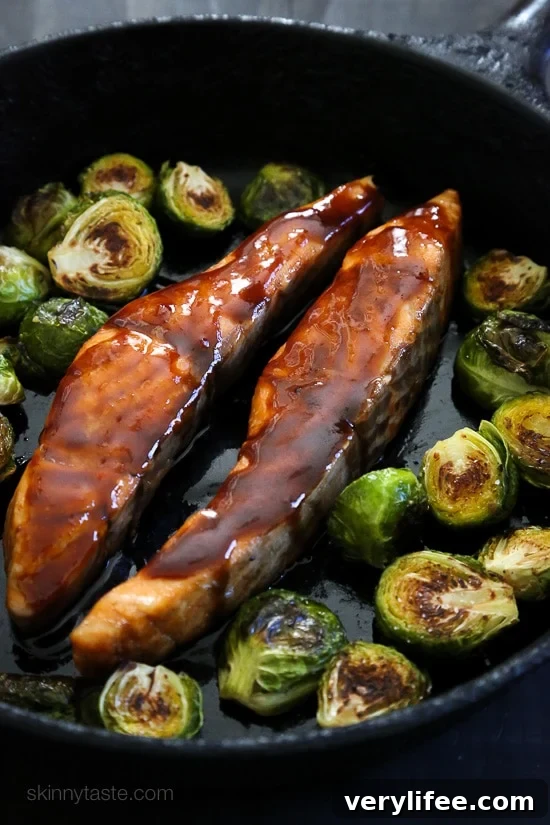
This easy Maple Soy Glazed Salmon is quick to prepare, requires only five ingredients, and delivers a sweet-savory glaze that concentrates while you cook the fish. Rich in omega-3 fatty acids and ready in under ten minutes in the oven, this dish is a weeknight favorite that feels special enough for guests.

Maple Soy Glazed Salmon
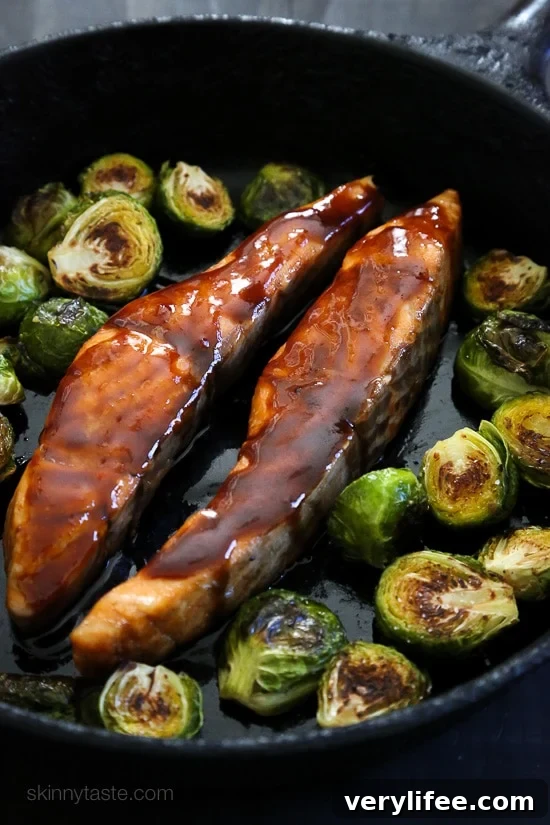
This recipe is built on a simple, balanced glaze made from pure maple syrup, reduced-sodium soy sauce, a touch of heat from sriracha, and garlic. Marinate the salmon briefly, roast it at high heat, and reduce the leftover marinade into a glossy glaze to spoon over the fish just before serving. The method keeps the salmon moist while concentrating flavor in just minutes.
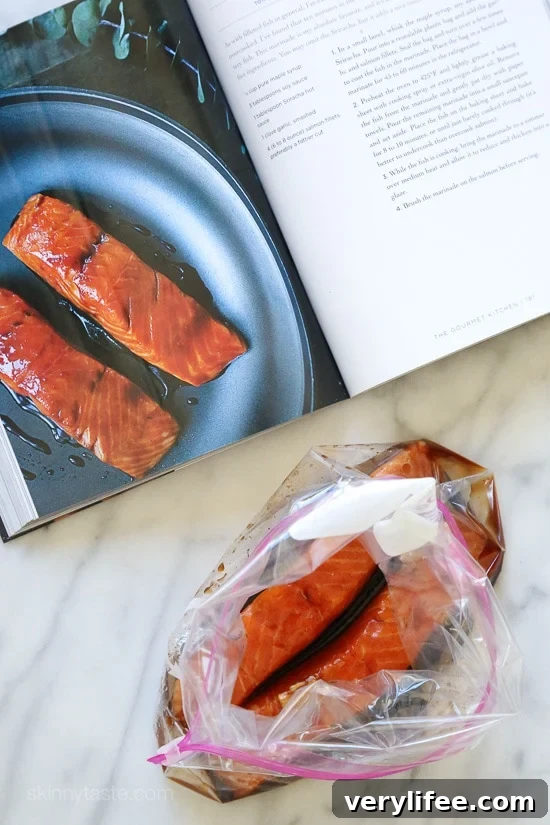
If you prefer other cooking methods, this same glaze works well in an air fryer and on the stovetop; you can also use it with other firm white fish such as cod or bass. The recipe below is adapted from Jennifer Farley’s cookbook The Gourmet Kitchen, with slight adjustments for home cooks.
Why this works
The maple syrup caramelizes under high heat, creating a rich, slightly sticky coating that contrasts with the salty umami of soy sauce. Sriracha adds a controlled background heat without overwhelming the fish, and garlic gives depth. By reducing the marinade, you concentrate these flavors and create a finishing glaze that brightens each bite.
Ingredients
- 3 tbsp pure maple syrup
- 3 tbsp reduced sodium soy sauce (or gluten-free soy sauce)
- 1 tbsp sriracha hot sauce
- 1 clove garlic, smashed
- 4 × 6 oz wild salmon fillets, skinless
Instructions
- In a small bowl, whisk together the maple syrup, soy sauce, sriracha, and smashed garlic until combined. Transfer the mixture to a resealable bag or shallow dish and add the salmon. Marinate in the refrigerator for 20 to 60 minutes, turning occasionally to coat evenly.
- Preheat the oven to 425°F (220°C). Lightly grease a baking sheet or line it with parchment. Remove the salmon from the marinade and gently pat the fillets dry with paper towels; reserve the marinade.
- Place the salmon fillets on the prepared baking sheet and roast for 8 to 10 minutes, depending on thickness, until the salmon is just cooked through and flakes easily with a fork. Keep an eye to avoid overcooking.
- While the salmon cooks, pour the reserved marinade into a small saucepan. Bring it to a simmer over medium heat and reduce until it thickens into a glaze—this usually takes a few minutes. Remove from heat and let cool slightly; it will thicken more as it cools.
- Spoon the warm glaze over the roasted salmon just before serving. Serve immediately.
Prep and timing
Prep: about 5 minutes (plus marinating time). Cook: 8–10 minutes. Total active time: roughly 15 minutes, plus marinating.
Tips for best results
- Marinate no longer than 60 minutes to avoid altering the fish’s texture; 20–30 minutes is usually enough to infuse flavor.
- Pat the salmon dry before roasting to promote a better sear and to prevent steaming on the baking sheet.
- If you prefer a thicker glaze, reduce the marinade a little longer over low-medium heat, stirring so it doesn’t burn.
- Use reduced-sodium soy sauce and taste the glaze before reducing; you can always adjust heat with more or less sriracha.
- For a crisp exterior, broil the salmon for the final 1–2 minutes, watching closely to avoid charring.
Variations and serving suggestions
This glaze works equally well for pan-seared salmon, air-fried salmon, or grilled fillets. Pair the fish with roasted Brussels sprouts, steamed greens, jasmine rice, or a simple salad. You can swap sriracha for another chili paste if you prefer a different flavor of heat, or add a squeeze of lime for brightness before serving.
Nutrition (per serving)
Serving: 1 piece • Calories: 293 kcal • Carbohydrates: 12 g • Protein: 35 g • Fat: 11 g • Cholesterol: 94 mg • Sodium: 570 mg • Sugar: 10 g
Notes
This version is slightly adapted from the source cookbook. The recipe yields four servings; halve the ingredient amounts to serve two. If you plan to roast vegetables alongside the salmon, toss them with a little olive oil and salt and roast until nearly done before adding the fish to the oven for the final 8–10 minutes.
If you made this recipe, consider saving a photo in your personal collection or sharing it with friends and family—home-cooked salmon is an easy way to add nutritious, flavorful meals to your week.