
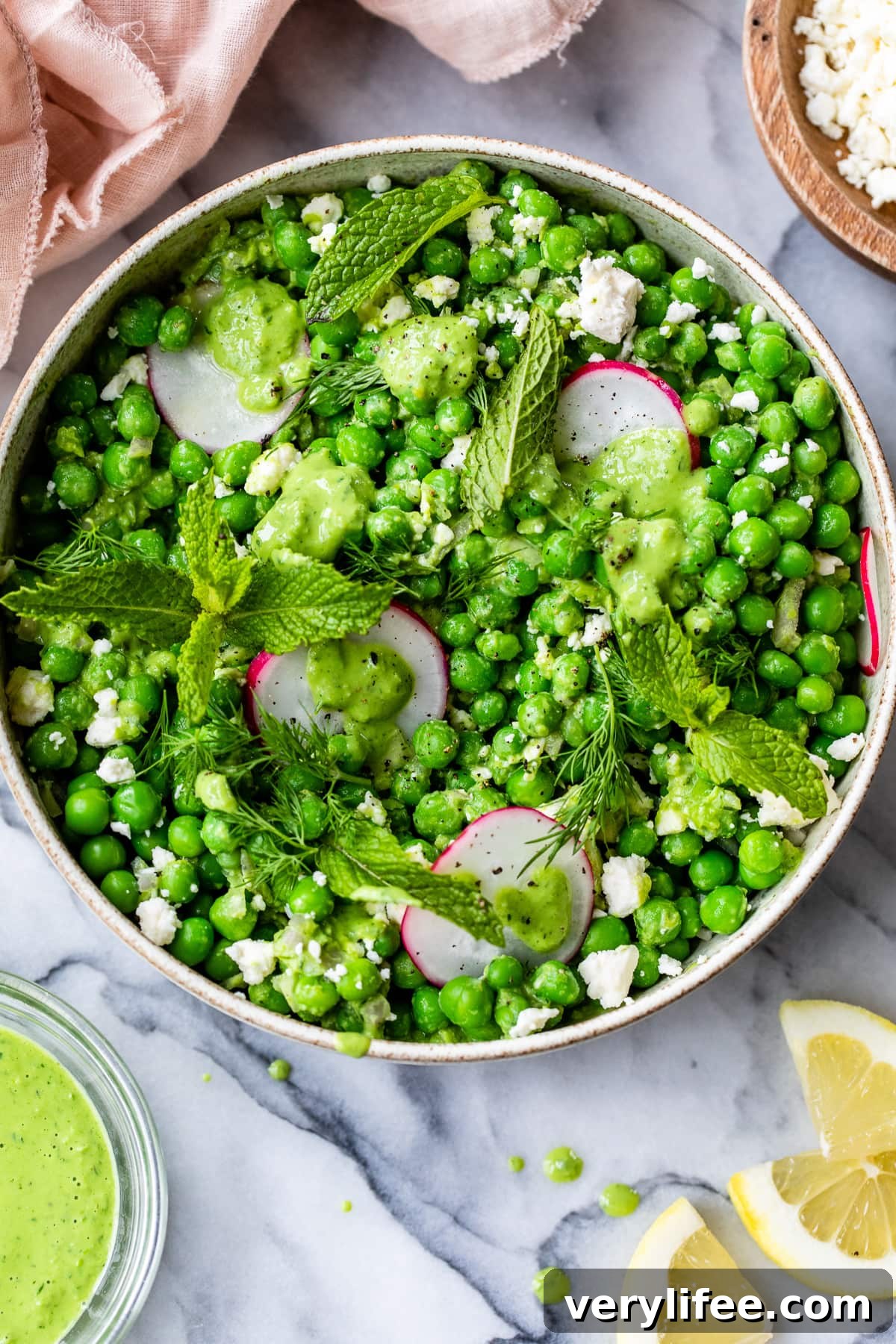
This spring double pea salad features blanched peas, minced shallot, crumbled feta, and a creamy dressing made from additional peas, Greek yogurt, fresh mint, and dill. Bright, herb-forward, and easy to prepare, this salad is a colorful side dish that works beautifully for spring dinners, potlucks, and holiday meals.
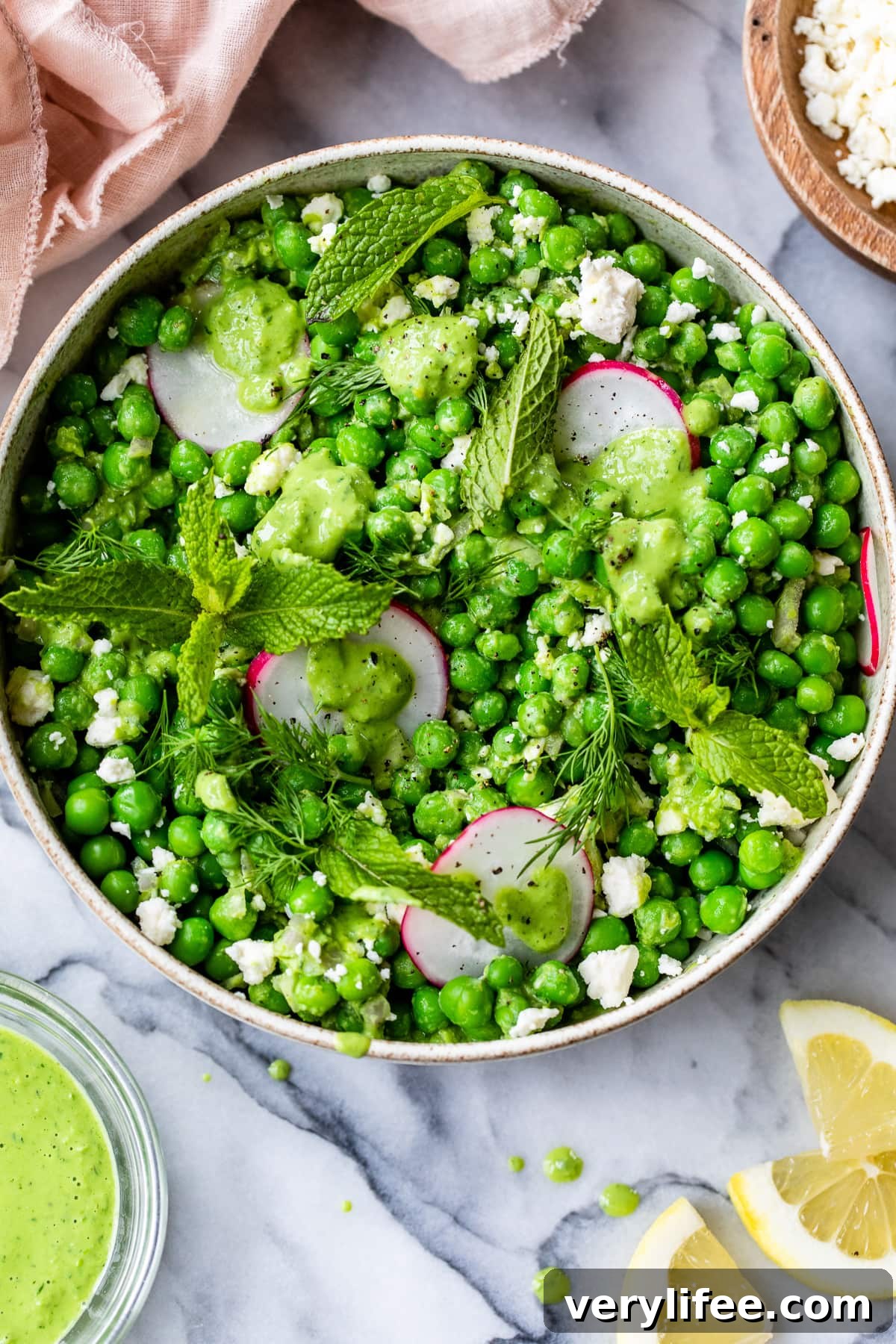
Pea Salad
I didn’t care for green peas as a child, but as my palate changed I discovered how delicious they can be when paired with lemon and fresh herbs like dill and mint. The blended pea dressing is worth the small effort of using a blender or mini food processor, and the crumbled feta is the ingredient that really elevates this vegetarian salad—don’t skip it. Peas are also a good plant-based source of protein: one half-cup serving of this salad provides about 5 grams of protein.
Why this works
- High-protein side: About 5 grams protein per 1/2 cup serving.
- Visually appealing: Vibrant green and fresh herbs make this a beautiful dish to serve.
- Bright, fresh flavors: Lemon and herbs keep the salad light and refreshing.
- No mayonnaise: Creaminess comes from Greek yogurt; you can substitute sour cream if you prefer.
- Potluck-friendly: Easy to transport and serve at gatherings.
- Diet-friendly: Naturally gluten-free and adaptable to a variety of dietary preferences.
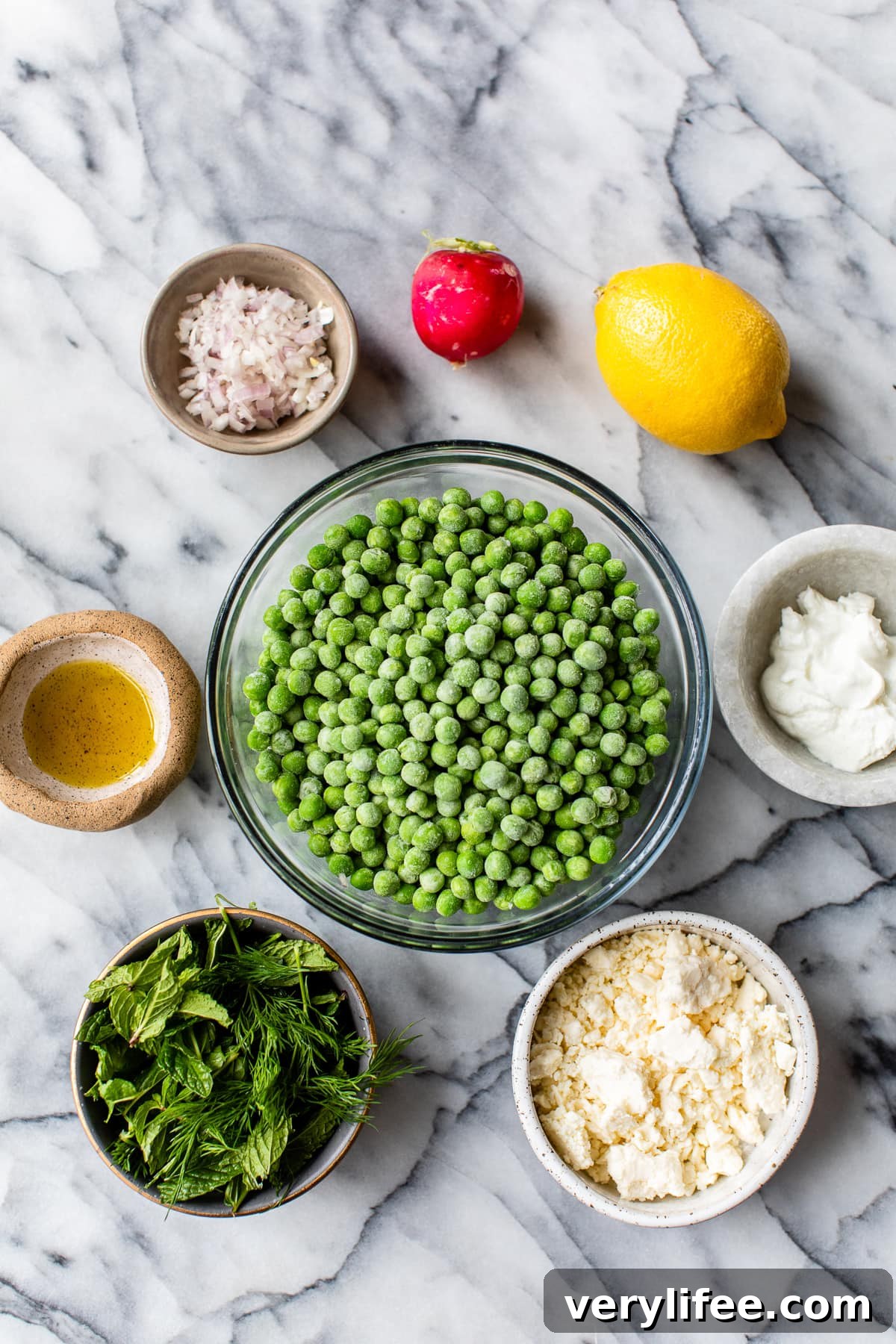
What is pea salad made of?
- Peas: Frozen petite peas or fresh shelled peas—both work well.
- Salt and black pepper: Simple seasoning for the dressing and salad.
- Herbs: Fresh dill and mint add lift and brightness.
- Greek yogurt: Adds creaminess without mayonnaise. Use nonfat or full-fat to taste.
- Lemon: Zest and juice brighten the dressing.
- Shallot: Minced shallot gives a mild oniony bite.
- Olive oil: A little oil balances acidity and rounds the dressing.
- Feta: Crumbled feta adds saltiness and tang—an essential finishing touch.
- Radish: Thinly sliced radishes make a pretty garnish with a peppery crunch.
How to make pea salad
- Prep: Bring a pot of salted water to a boil and prepare a large bowl of ice water for shocking the peas after blanching.
- Blanch the peas: Add the peas to boiling water—cook frozen peas about 1 minute, fresh peas about 2–3 minutes—until bright green. Drain and immediately transfer to the ice water to stop cooking. Drain again after a minute or two.
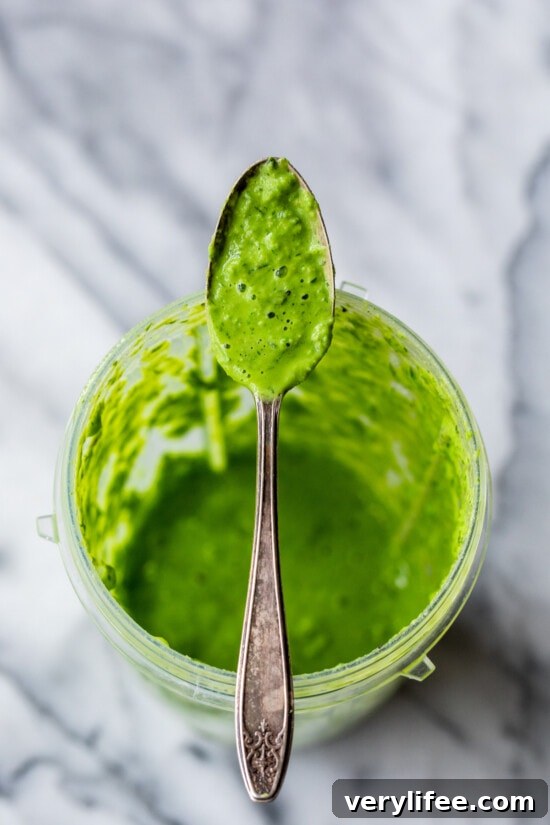
- Make the pea dressing: Reserve 1/2 cup of the cooked peas and combine them in a blender or mini food processor with 1/2 cup packed fresh dill sprigs, 1/3 cup packed fresh mint leaves, 1/4 cup Greek yogurt, the zest of one lemon, the juice of half the lemon (add more to taste), 2 teaspoons extra-virgin olive oil, a pinch of kosher salt, and several cracks of black pepper. Blend until smooth and creamy. Taste and adjust lemon, salt, and pepper as needed.
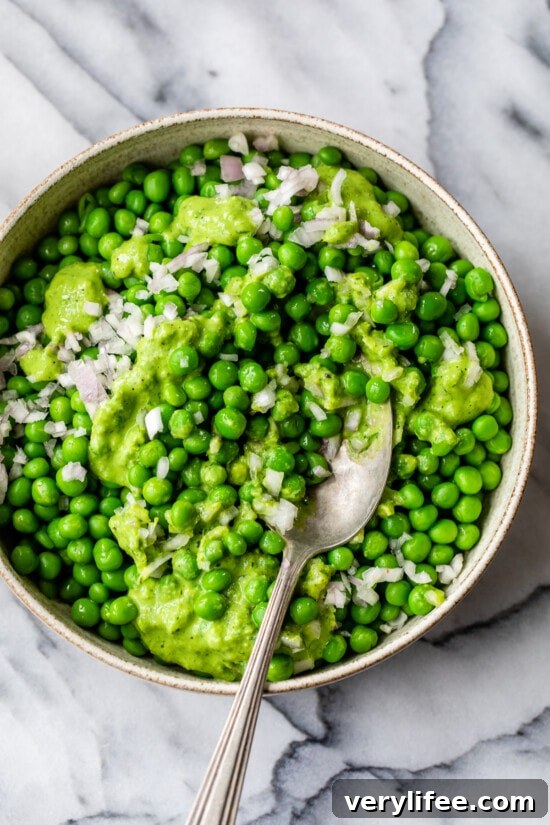
- Assemble: In a serving bowl, combine the remaining drained peas and 1/2 minced shallot. Drizzle with the pea dressing and toss to coat.
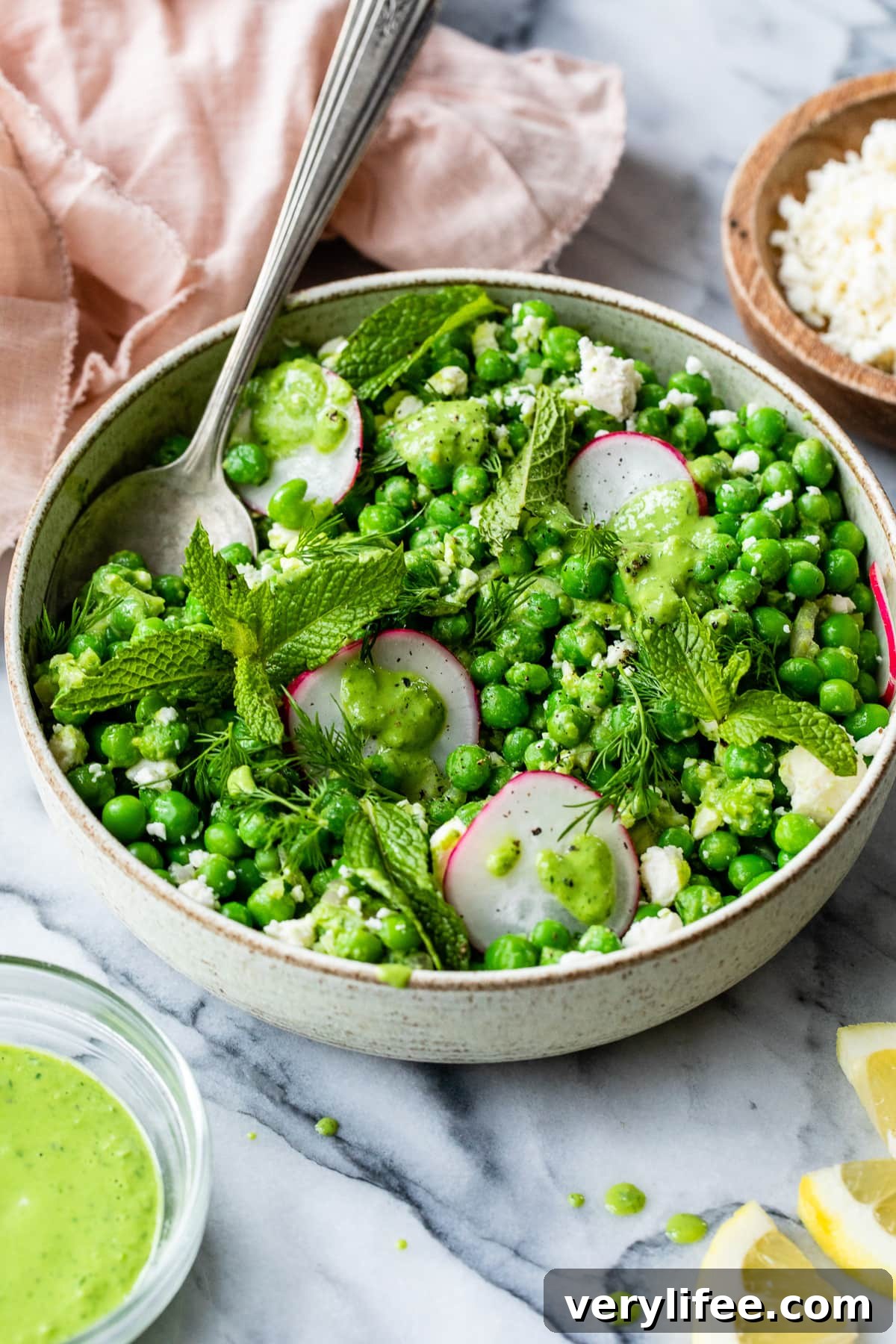
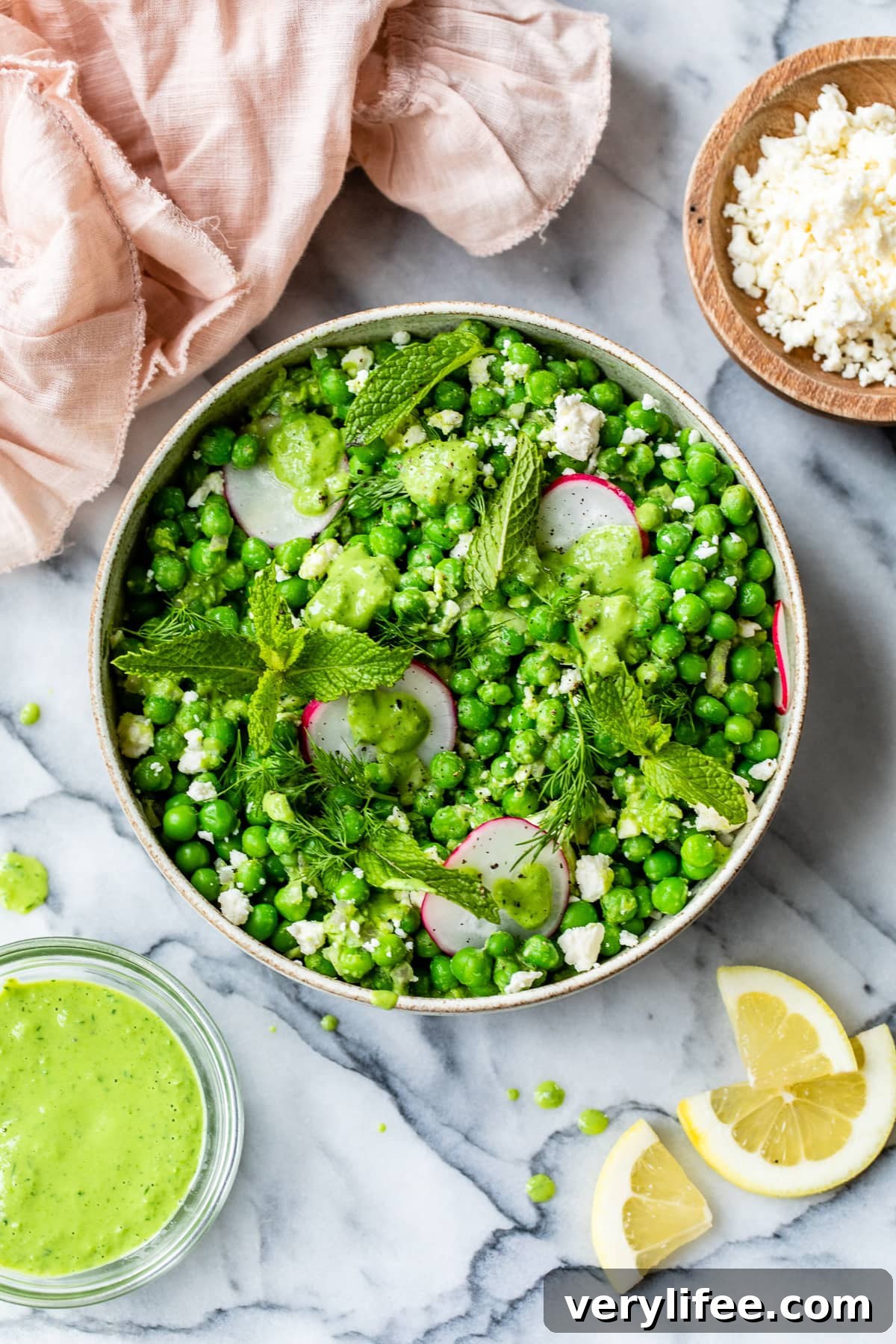
- Finish: Top with 1/2 cup crumbled feta, thinly sliced radish, and extra fresh herbs. Serve immediately.
Variations
- Herbs: Substitute basil or tarragon for a different herbal note.
- Yogurt swap: If avoiding dairy, use mayonnaise or a dairy-free yogurt alternative.
- Peas: Use frozen or fresh peas; avoid canned peas for best texture and flavor.
- Onion: Red onion or green onions can replace shallots.
- Pasta salad: Stir in cooked macaroni to transform this into a light pasta salad.
What to serve with pea salad
This pea salad is an ideal spring side for dinner parties, Easter lunches, or casual gatherings. It pairs well with roasted or grilled proteins and simple starches. Consider serving it alongside:
- Grilled or roasted chicken
- Baked or grilled salmon
- Roasted baby potatoes or a light risotto
- Ham or pork tenderloin for holiday meals
How long is pea salad good for in the fridge?
Store leftovers in an airtight container for up to 4 days. Note that the dressing may thicken slightly in the refrigerator; bring to room temperature and stir before serving, or thin with a splash of water or lemon juice if needed.
Ingredients (serves 6)
- 1 pound frozen petite peas, or fresh shelled peas
- Kosher salt and fresh black pepper
- 1/2 cup packed fresh dill sprigs, plus more for garnish
- 1/3 cup packed fresh mint leaves
- 1/4 cup nonfat Greek yogurt (or preferred yogurt)
- Zest of 1 lemon and juice from 1/2 lemon (more to taste)
- 2 teaspoons extra-virgin olive oil
- 1/2 shallot, minced
- 1/2 cup crumbled feta, for topping
- 1 small radish, thinly sliced for garnish
Instructions
- Bring a medium pot of salted water to a boil and prepare a bowl of ice water.
- Add the peas and blanch until bright green: about 1 minute for frozen peas and 2–3 minutes for fresh. Stir once or twice while cooking.
- Drain the peas and transfer to the ice water to cool for a minute or two, then drain again.
- Reserve 1/2 cup of the cooked peas. In a blender or mini food processor, combine the reserved peas, dill, mint, yogurt, lemon zest, lemon juice from half the lemon, olive oil, a pinch of salt, and black pepper. Blend until smooth. Adjust seasoning to taste.
- In a serving bowl, combine the remaining peas and the minced shallot. Drizzle with the dressing and toss to coat.
- Garnish with crumbled feta, radish slices, and extra herbs. Serve immediately.
Nutrition (per 1/2 cup)
- Calories: about 89 kcal
- Protein: 5 g
- Carbohydrates: 8 g
- Fat: 4.5 g
- Fiber: 2.5 g
Notes and tips
- Blanching preserves the vibrant green color and keeps the peas tender-crisp—don’t skip the ice bath.
- Adjust lemon and salt gradually while blending to avoid over-acidifying the dressing.
- Make the dressing ahead and store separately for easier transport to picnics or potlucks; toss with the peas just before serving.
- This salad scales easily—double the recipe for larger gatherings and increase herbs proportionally for maximum freshness.
If you try this pea salad, consider noting what variations you made and how you served it—simple changes like swapping herbs or adding a grain can create a whole new dish.