If your garage door squeaks and grinds every time it opens, it might be time for a proper lubrication. In this guide, we’ll walk you through how to quiet your garage door and keep it functioning smoothly using the right materials and techniques.
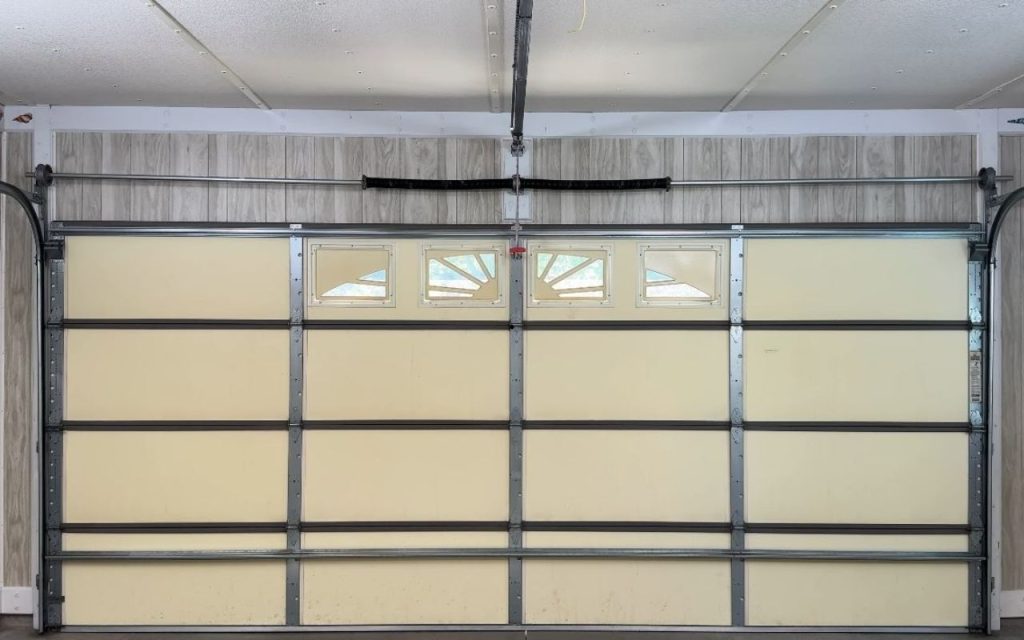
Step 1: Prep the Area
Before applying any lubricant, it’s important to clean off dirt and debris:
- Use a broom or towel to knock down cobwebs and wipe dust off hinges, rollers, and other metal surfaces.
- This prevents grime from mixing with the lubricant and making a mess.
Step 2: Gather Tools and Choose the Right Lubricant
- Tools Needed: A step ladder and a suitable lubricant.
- Recommended Lubricant: Use white lithium grease, not regular WD-40.
WD-40 is a solvent, not a lubricant—it will remove existing grease and may worsen the noise in the long run. White lithium grease is specifically designed for metal-on-metal contact and offers long-lasting protection.
Step 3: Lubricate the Garage Door Mechanism
🔧 Rollers
- Spray lubricant inside the roller sleeves, focusing between the roller and the shaft it sits on.
- If present, use the port or slit to insert lubricant.
- Use a towel behind the roller to avoid spraying surrounding surfaces.
- Do NOT lubricate the wheels or the track—they can become slippery or attract dirt.
🔩 Hinges
- Spray lubricant into the joints and moving parts.
- Use the ports if available and move the door slightly to work the grease inside.
- Check for loose bolts and tighten them to avoid extra noise.
🌀 Torsion Spring
- Place cardboard behind the spring to protect the wall from overspray.
- Spray from top to bottom generously so it drips into the spring grooves.
- Let it sit for a moment to absorb before wiping off any excess.
🚪 Garage Door Opener Rail
- Spray along the top and bottom of the rail where the opener moves.
- Do not spray the belt if it’s a belt-driven system, as this can cause damage.
- Also spray the arm attachment points on both the rail and door side.
🔍 Two Commonly Missed Areas
- Bearing Plates: Located at the ends of the torsion rods—spray both left and right.
- Bottom Cable Attachment: Spray the area where the cable connects at the bottom. This prevents rust and reduces friction where two metal points meet.
Step 4: Test and Final Touches
- Open and close the garage door 2-3 times to allow the grease to settle into hard-to-reach spots.
- Check for any remaining squeaks and reapply grease if necessary.
- Wipe away any excess lubricant to prevent drips on the floor or car.
Pro Tips
- Perform this task during cooler hours of the day to avoid sweating and slipping.
- Annual Maintenance: Do this once a year, ideally in spring, or whenever squeaks return.
- If you see metal parts rubbing together and causing friction (except tracks or wheels), it’s safe to lubricate them.
Conclusion
By following these steps, your garage door should operate smoothly and quietly. Regular maintenance not only improves performance but also extends the life of your door components. Once you’re done, take a moment to appreciate a job well done—and no more screeching every time you open the door!