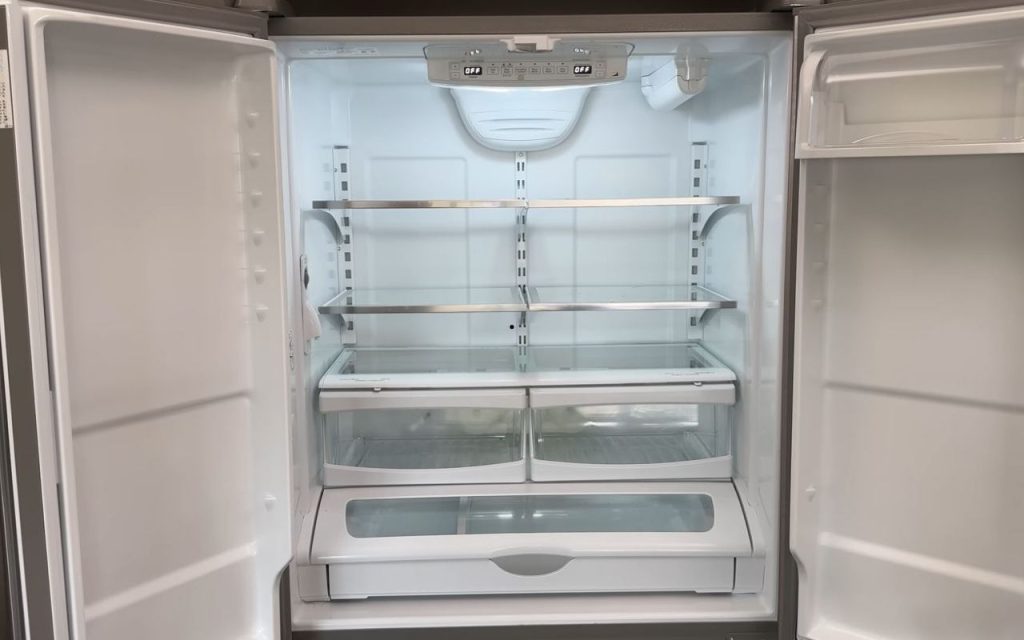
A clean refrigerator is essential for maintaining food safety and eliminating unpleasant odors. If you have ever encountered a lingering, stinky mystery odor or sticky spills, it is time for a thorough deep clean. This comprehensive guide outlines the best method to deep clean your refrigerator, ensuring it remains fresh, clean, and completely odor-free. Scheduling this task before grocery shopping is highly recommended, as it ensures your appliance is mostly empty, making the process significantly easier.
Supplies Needed
The deep cleaning process requires two main solutions: one for soaking removable parts and one for cleaning the interior.
For Soaking Parts:
- Warm water (enough to fill a tub)
- Dish soap: 2–3 teaspoons
- White vinegar: Approximately 2 cups
- Bathtub or large container/tub
For Interior Cleaner (DIY Vinegar Mix):
- Water: Approximately 1 cup
- White vinegar: Approximately 1 cup
- Dish soap (liquid detergent): Approximately 1 teaspoon
- Alternative: Basic all-purpose cleaner (if sensitive to the smell of vinegar)
Tools:
- Cooler (for temporary food storage)
- Smartphone or camera (to take a layout photo)
- Non-scratch scrub sponge
- Three clean towels (one for wiping, one for rinsing, one dry microfiber towel for drying/buffing)
Step-by-Step Instructions
- Empty and Inspect the Refrigerator: Remove all food items from the refrigerator. While removing items, check expiration dates; discard anything old or spoiled to prevent reintroducing odors or contaminants to the clean fridge.
- Store Food Safely: Because this deep cleaning job can take a while, store all removed food in a cooler to ensure it remains cold and does not spoil during the process.
- Document the Layout: Before removing shelves and drawers, take a quick photo of the interior layout using your phone. This serves as a helpful reference later, as reassembly can sometimes feel like a “giant puzzle”.
- Remove All Components: Carefully take out all removable shelves, drawers, and plastic components.
- Acclimate Glass Components: If your unit has glass shelves or trays, it is critical to allow these pieces to warm up and reach room temperature before cleaning them. Introducing super-cold glass to warm water runs the risk of shattering.
- Prepare the Soaking Bath: Fill a bathtub or large tub with warm water, approximately 2 or 3 teaspoons of dish soap, and about 2 cups of white vinegar. This solution helps break down grease and grime.
- Begin Soaking: Place all removed components (excluding cold glass) into the soaking solution for a minimum of 20 to 30 minutes. If the components are heavily soiled, allow them to soak longer so the soap and vinegar have ample time to work. If you have too many pieces to soak at once, prioritize soaking the plastic components first, then soak the glass once it has fully warmed up.
- Prepare the Interior Cleaner: While the parts are soaking, prepare the DIY interior cleaner by mixing about a cup of water, a cup of vinegar, and about a teaspoon of dish soap. The vinegar in this mix is effective at neutralizing funky odors and provides strong cleaning power.
- Clean the Interior Walls: Spray down the entire inside of the refrigerator with the cleaner. If the interior is very dirty, let the solution sit for a bit.
- Tackle Sticky Spots: Use a non-scratch scrub sponge on any sticky or crusty food residue. Focus attention on the corners, nooks, and areas where the shelves rest, as spills often accumulate there.
- Clean in Sections: Work systematically, perhaps starting on the left and moving toward the right, to ensure no area is missed. Cleaning the appliance with all contents removed is easier than trying to save time by cleaning around them.
- Implement the Three-Towel System: Wipe the surface down with the first towel to remove the cleaner, follow up with a second towel for rinsing, and use a third dry, clean microfiber towel to thoroughly dry and buff the surface, preventing streaks.
- Clean the Door Seals: Spray your towel lightly and give the door seals (gaskets) a quick clean, as crumbs and food can hide in this area.
- Clean the Exterior (Optional): If time permits while the interior components are still soaking, clean the outside of the refrigerator. The DIY vinegar mix works well on black or white painted fridges.
- Scrub the Soaked Parts: Once the soaking time is complete, the grime should be loosened. Scrub each component—the soaking process makes this scrubbing much easier, requiring less effort. For any remaining residue, spray a quick burst of the DIY vinegar mix and scrub again.
- Rinse and Dry: Give all scrubbed parts a quick rinse under water. The most critical final step is to ensure everything is completely dry before returning it to the refrigerator.
- Reassemble and Restock: Put the shelves and drawers back into the refrigerator, referencing the layout photo taken earlier. Return the food from the cooler to the newly cleaned appliance.
Additional Tips and Warnings
- Glass Safety Warning: Never introduce cold glass components to warm water immediately; allow them to fully reach room temperature first to avoid the risk of shattering.
- Stainless Steel Surfaces: If you have a stainless steel exterior, exercise caution and be gentle, as vinegar does not always interact well with stainless steel.
- Scheduling: Conduct a deep clean of your refrigerator at least once or twice annually, ideally in the spring and again in the fall.
- Recruit Help: If possible, enlist a cleaning partner to assist, as two people can significantly speed up the entire process.
- Freezer Cleaning: The freezer can be cleaned using the exact same process. However, unless your freezer is completely empty (like during a move-out), it is recommended not to clean the fridge and freezer at the same time, as you will need storage space to keep the food cold. The freezer is usually quick and easy due to fewer parts.
- Maintenance for Long-Lasting Cleanliness:
- Wipe up any spills immediately as they happen to prevent stickiness and bigger messes.
- Check all food expiration dates weekly and discard spoiled or old items, which are primary causes of unpleasant odors.
- Perform a quick wipe-down of the interior weekly, perhaps before grocery shopping, to maintain the clean and reduce the frequency of deep cleaning.
- Place an open box or container of baking soda inside your refrigerator; baking soda absorbs and locks in odors, preventing stinky smells from lingering.