While we spend a third of our lives sleeping, the mattress is often one of the most overlooked items in a home cleaning routine. Over time, mattresses accumulate dust, debris, and bodily fluids, with humans shedding approximately 1.5 pounds of dead skin cells annually. To maintain a hygienic sleep environment and extend the life of your bed, it is essential to follow a proper cleaning protocol.
This guide outlines the most effective methods for vacuuming, treating stains, and neutralizing odors without damaging the fabric or your cleaning equipment.
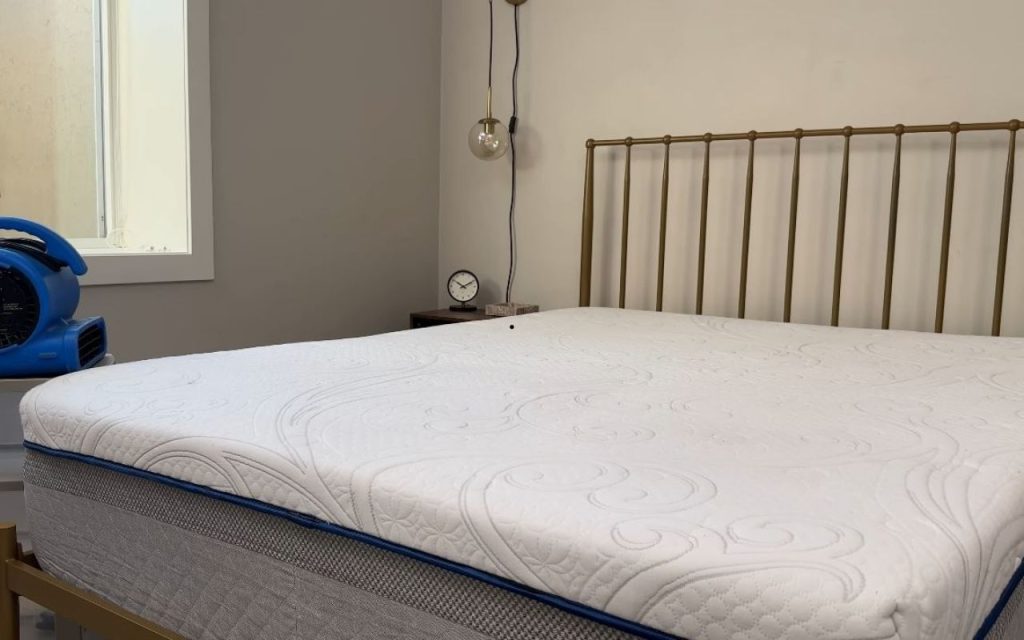
Supplies Needed
- Vacuum Cleaner: Must have a hose and an upholstery attachment. A HEPA filter is recommended to contain allergens.
- Hydrogen Peroxide (3%): Ensure it is in the original brown bottle to prevent light decomposition.
- Spray Nozzle: Fits standard peroxide bottles for easier application.
- Microfiber Towels: For gentle scrubbing and wiping.
- Carpet/Upholstery Spot Cleaner Machine (Optional): For deep extraction of heavy soil.
- Enzyme-Based Cleaner: Specifically for organic odors like urine.
- Fans: To accelerate drying.
Step-by-Step Instructions
1. Thoroughly Vacuum the Surface
The most critical step in the process is removing dry dust and debris. If you apply wet cleaning solutions to a dusty mattress, you risk creating mud, which makes the cleaning process significantly harder.
- Select the Right Tool: Attach an upholstery tool to your vacuum hose. Do not use the main floor head with a rotating roller bar, as it can snag loose threads and ruin the mattress fabric.
- Technique: Start at the top of the mattress and work your way down. Pay special attention to the areas where you sleep, as these collect the most dust and skin cells.
- Cover All Areas: Vacuum the sides and, if your mattress is two-sided, flip it to clean the bottom as well.
2. Pre-Treat Stains and Disinfect
Mattresses often harbor bodily fluids such as sweat or blood. Hydrogen peroxide is an effective, mild cleaner for these issues.
- Preparation: Use 3% hydrogen peroxide. Because light turns peroxide into water and oxygen gas, keep the liquid in its original brown bottle or an opaque container to maintain its cleaning potency.
- Light Cleaning: For minor maintenance, spray the peroxide onto the surface and let it sit for one to two minutes. Wipe the area gently with a damp microfiber towel.
- Deep Cleaning: For heavier soiling, spray the mattress in sections. Allow the solution to break down the dirt, then wipe thoroughly with a damp microfiber towel. Microfiber is ideal because it grabs and extracts debris from the surface.
3. Flush and Extract (For Heavy Soiling)
If your mattress requires a deep clean to remove stubborn stains, use a portable spot cleaner machine.
- Water Only: Fill the machine’s tank with water only—do not add detergent.
- Application: Lightly spray the surface and immediately suction it up. Follow the philosophy that “less is more” to avoid oversaturating the mattress.
- Extraction: Perform extra dry passes (suction without spraying) to remove as much moisture as possible.
- Stubborn Spots: If a stain lifts but remains visible, spray it again, agitate lightly with a towel or brush, and extract again. You may need to clean layer by layer.
4. Neutralize Odors
For strong odors caused by pet or child accidents (such as urine), surface cleaning is often insufficient. Urine leaves behind salts that cause lingering smells.
- Use Enzymes: Apply an enzyme-based cleaner. These products are chemically designed to break down the salts and organic matter causing the odor.
- Dwell Time: Read the label and allow the cleaner to sit for the recommended time to ensure it works effectively.
- Final Extraction: After the enzymes have worked, use your spot cleaner machine to flush the area with water and extract the residue.
5. Dry the Mattress
You must ensure the mattress is completely dry before remaking the bed. Any remaining moisture can cause issues.
- Create Airflow: Use a ceiling fan, a floor fan, or open windows to circulate air over the surface.
- Timing: It is advisable to start this process in the morning so the mattress has the entire day to dry before bedtime.
Important Tips and Warnings
- Avoid Baking Soda: Contrary to popular internet advice, do not use baking soda. It can be messy, ineffective for deep cleaning, and difficult to vacuum up completely. Furthermore, the fine powder can damage the motor and filters of your vacuum cleaner.
- Check Expiration Dates: Hydrogen peroxide expires quickly once opened (usually within 1 to 6 months). Write the date you opened the bottle on the label to ensure you are not cleaning with ineffective fluid.
- Protective Measures: To keep your mattress clean, invest in a high-quality mattress protector. It acts as a barrier against spills and skin cells.
- Routine Maintenance: Vacuum your mattress monthly to reduce allergen buildup. Additionally, rotate or flip your mattress every 3 to 6 months to promote even wear.