Cleaning with steam is simple, powerful, and incredibly satisfying. In this guide, you’ll learn how to use a steam cleaner—specifically the Duprey Neat—to clean various areas of your home safely and effectively. From setup to best practices and the surfaces you should avoid, this article walks you through everything step by step.
Setting Up for Success
The Duprey Neat steam cleaner is compact, easy to maneuver, and equipped with multiple accessories. Before you begin, it’s important to set up the machine properly.
How to Prepare the Steam Cleaner
- Fill the tank with distilled water. Tap water may contain minerals that build up inside the machine and reduce performance—or even cause damage.
- Take advantage of the built-in funnel design. This helps prevent spills when filling the tank.
- Plug it in and heat it up. The machine typically takes about eight minutes to reach full temperature.
Cleaning the Kitchen
Steam cleaning is highly effective at breaking down grease and grime, making it ideal for kitchen surfaces. You can use it on your oven, cooktop, refrigerator, microwave, sink, and more.
Great Areas to Clean with Steam
- Backsplashes, especially tile and grout behind the stove
- Oven interiors and cooktops
- Refrigerator handles and seals
- Microwaves and stainless steel surfaces
- Kitchen sinks and fixtures
How to Use Steam Effectively
- Allow the steam to loosen grease and grime.
- Wipe afterward with a towel to fully remove debris.
- Enjoy sanitized surfaces—no chemical cleaners required.
Kitchen Areas to Avoid
- Unsealed or any unfinished wood. Steam can push moisture inside, leading to swelling, warping, or cracking.
- Painted surfaces or kitchen cabinets. Excess moisture may cause damage or peeling.
- Unsealed natural stone countertops. Heat and moisture may crack or weaken the stone.
Using Steam to Clean the Dishwasher
You can also use steam to clean areas inside the dishwasher, especially tight spaces where grime and odors often build up. Steam helps blast out dirt in nooks and corners that are hard to reach.
Cleaning the Bathroom
The bathroom is another area where steam truly shines. It removes soap scum, grime, and even helps reduce mold and mildew.
Where Steam Works Best
- Showers and tubs
- Sinks and faucets
- Toilet exteriors
- Tile and grout
Choosing the Right Attachments
- Nylon tips: Ideal for grout lines—gentle yet effective.
- Extension poles: Allow you to clean floors and walls while standing.
- Brass tips: Use with caution; these can scratch glossy or delicate tile surfaces.
Always test attachments in a small hidden area first. Work in sections, move slowly, and let the steam do most of the work. After loosening dirt, wipe the area with a mop or towel.
Cleaning Around the Rest of the Home
Steam cleaners can be used in several additional areas throughout the house, making them a versatile cleaning tool.
Additional Uses
- Curtains: Remove wrinkles and refresh them right on the rod.
- Upholstery: Great for surface cleaning—check the clean code first (W = safe for water).
- Washer machines: Steam helps clean dispenser trays and rubber gaskets.
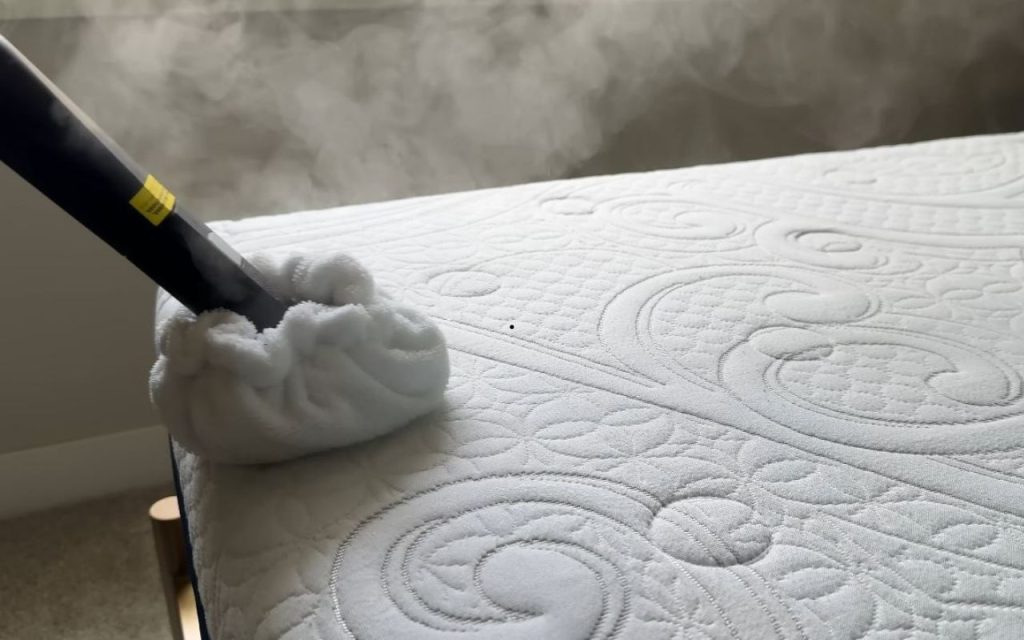
- Mattresses: High heat helps kill dust mites.
- Floors: Use the included floor tool and microfiber pads on appropriate surfaces.
Why It Works
The high heat of 275° provides fast-drying, chemical-free cleaning that freshens fabrics and hard surfaces effectively.
Some Areas to Avoid
While steam cleaning is incredibly useful, there are some surfaces where it should not be used.
- Wood, laminate, and LVP floors. Steam can seep into seams and cause swelling or warping.
- Electronics or areas with electric components. Moisture can short circuits.
- Cold glass surfaces. The sudden temperature change may cause cracking.
Always make sure the surface is safe for steam cleaning before beginning.
Conclusion
With the right technique and precautions, a steam cleaner can be one of the most powerful tools for keeping your home clean and sanitized. From kitchens to bathrooms and beyond, it helps remove dirt, grime, and bacteria—all without the need for harsh chemicals.