If you have noticed that your clothes are taking a very long time to dry, the machine feels hot to the touch while running, or there is a faint smell of burning, these are clear signs that your dryer vent requires cleaning. Beyond mere inefficiency, excessive lint buildup is a serious safety concern; thousands of house fires occur annually due to flammable lint obstructing dryer vents.
This guide outlines a comprehensive method to deep clean your dryer vent, ensuring your home is safer and your appliance runs more efficiently.
Supplies Needed
To complete this task effectively, gather the following tools and materials:
- Vacuum cleaner: Preferably a shop vacuum for heavy debris, plus a standard vacuum for the floor.
- Flexible cleaning brush: A long, bendable brush for tight nooks and crannies.
- Leaf blower: To dislodge the initial layer of lint.
- Microfiber towel: Used to create a seal for the leaf blower.
- Pantyhose: A cheap pair works best for catching debris outside.
- Dryer vent cleaning kit: This typically includes a brush head and several extendable flexible rods.
- Power drill: To rotate the cleaning rods.
- Electrical or duct tape (Optional): To secure rod connections.
Step-by-Step Instructions
1. Disconnect and Clean the Area
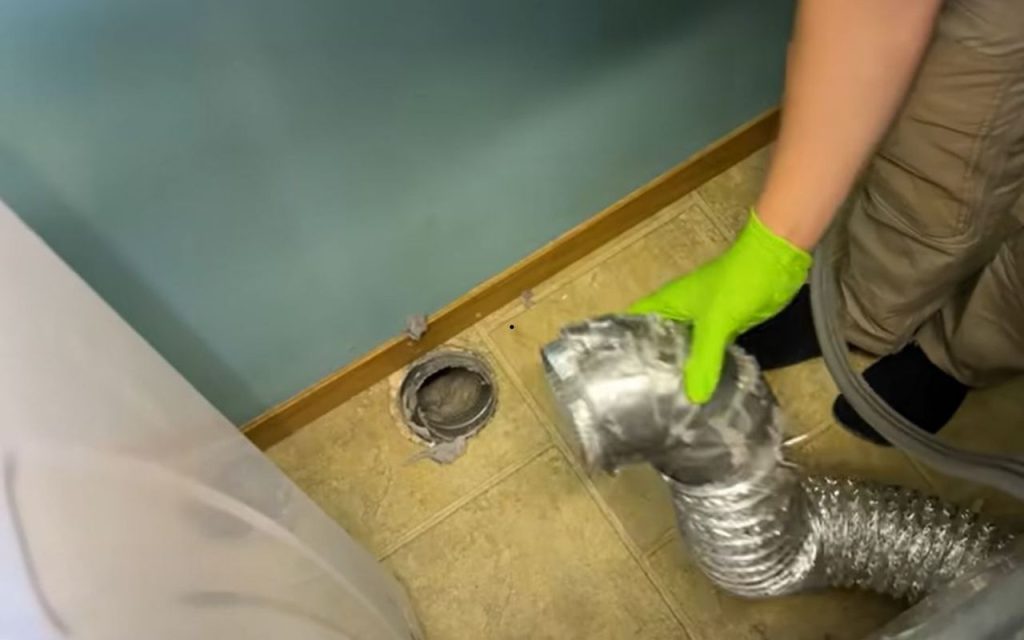
Begin by pulling the dryer away from the wall. Move slowly to avoid damaging the hose connecting the machine to the wall vent. Once accessible, disconnect the hose from the vent and immediately unplug the machine for safety.
Before tackling the vents, use a vacuum to clean the back of the dryer and the floor underneath it. Removing this surface dust first prevents you from tracking it around the house during the rest of the cleaning process.
2. Clean the Machine Internal Vents
Using a flexible cleaning brush, scrub the exhaust vent located on the back of the machine where lint often gets trapped. Vacuum up the dislodged debris. Next, remove the lint filter and use the flexible brush to clean inside the lint trap slot, reaching into the crevices that are usually inaccessible.
3. Prepare the Exterior Vent
Locate where the dryer exhaust exits your house. This is often on an exterior wall near the dryer’s indoor location. Remove the vent cover to ensure good access.
Pro Tip: To prevent blasting wet lint all over your yard, take a pair of pantyhose and stretch the waist opening around the exterior exhaust hole. This acts as a net to trap the lint expelled during the next step.
4. The Leaf Blower Method
Return inside and insert a leaf blower into the dryer vent opening. Wrap a microfiber towel around the blower nozzle where it meets the vent to create a tight seal. Turn on the blower for 30 seconds to two minutes. This pressure will force the first layer of loose lint out of the tube and into the pantyhose trap outside.
5. Deep Clean with the Drill Kit
Assemble your dryer vent cleaning kit by connecting two flexible rods and attaching the brush head. Connect the rod to your power drill.
Crucial Warning: Only ever spin your drill in a clockwise motion. If you spin counter-clockwise (reverse), the rods may unscrew inside the vent, leaving the brush stuck deep in the wall. Some people choose to tape the rod connections with electrical or duct tape for extra security.
6. Brush the Vent System
Position your shop vacuum nozzle at the entrance of the vent to catch dust as it falls out. Insert the rotating brush into the vent.
- Go Slow: Do not pull the drill trigger fully; a moderate speed prevents damage to the vent.
- Push and Pull: Work in sections of 6 to 12 inches. Push the brush forward, then pull it back to draw out lint and dust.
- Add Extensions: Continue adding rods and repeating the push-pull motion until you have cleaned the full length of the duct.
If the brush feels stuck, do not panic. It may be catching on the edges of the metal venting or a corner. Simply move the rod back and forth while adjusting the drill speed slightly until it works free.
7. Final Cleanup and Reassembly
Once you are confident the vents are clean and no more dust is coming out, remove the equipment. It is helpful to have a second person inside to confirm when the system looks clean. Finally, reattach the hose to the dryer, plug the machine back in, and push the appliance back into place.
Maintenance Tips and Warnings
- Roof Vents: If your dryer vent exhausts through the roof rather than a side wall, it is highly recommended to hire a professional service, as they possess specialized tools for that specific scenario.
- Daily Maintenance: Clean the lint trap filter after every single use.
- Monthly Maintenance: Scrub the lint filter screen at least once a month. This is especially important if you use dryer sheets, which leave a residue that clogs the filter’s pores and restricts airflow.
- Exterior Checks: Periodically check the exterior vent to ensure the flaps or doors open easily and are not blocked, as this can prevent proper drying.