Humidifiers are excellent tools for combating dry air in your home; however, without proper care, they can become breeding grounds for unpleasant odors, mold, and mildew. If left unattended, a dirty machine can disperse bacteria and musty smells throughout your entire house. This guide provides a comprehensive approach to deep cleaning your humidifier to ensure it runs efficiently and safely.
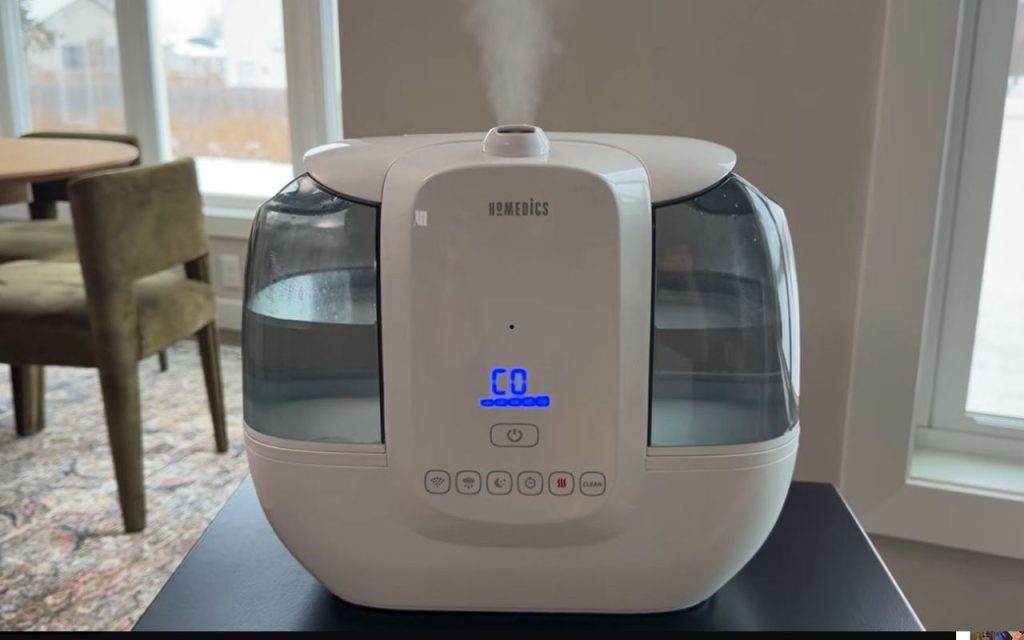
Supplies Needed
To thoroughly clean and descale your machine, gather the following household items:
- White Vinegar: For descaling and breaking down mineral deposits.
- Water: Tap water for cleaning solutions and distilled water for operation.
- Microfiber Towels: For wiping down and drying components.
- Bottle Brush: To reach deep inside the water tank.
- Soft-bristled Toothbrush: For scrubbing tight crevices in the base.
- Pipe Cleaners: To clean the mist spout.
- Scrubbing Sponge: For stubborn grime.
- Optional: Dish soap for light daily maintenance.
Step-by-Step Cleaning Instructions
Follow these steps to remove mold, mineral buildup, and odors from your humidifier.
1. Disassemble and Empty
Before beginning any cleaning process, ensure safety by unplugging the machine. Remove the water tank from the base and dump out any stagnant water remaining in the unit.
2. Deep Clean the Tank
The tank often harbors film and bacteria.
- Create a Solution: Pour approximately two cups of white vinegar and two cups of tap water into the tank.
- Agitate: Cover the opening and shake the tank vigorously to slosh the mixture around.
- Scrub: Use a bottle brush to scrub the interior, focusing on nooks and crannies where buildup occurs. The acidic vinegar will help break down hard water deposits.
- Soak: Let the mixture sit in the tank while you clean the base. If the odor is severe, you may let it sit overnight.
3. Clean the Base and Reservoir
The base requires careful handling as it contains electrical components.
- Soak: Pour a 50/50 mixture of white vinegar and water into the base reservoir and let it sit to loosen debris.
- Scrub: Use a toothbrush to scrub the reservoir and loosen grime. For the mist spout, which can be difficult to reach, use a pipe cleaner dipped in vinegar. A scrubbing sponge can be used for areas requiring extra abrasion.
- Note on Discoloration: You may notice discoloration on the plastic components even after scrubbing; this is often permanent staining from long-term use and is generally safe if the unit is otherwise clean.
4. Rinse Thoroughly
- The Tank: Dump the vinegar mixture and rinse the tank in the sink with warm water.
- The Base: Do not submerge the base in water. Instead, dump the vinegar solution out carefully, then wipe the interior with a damp microfiber towel to remove all vinegar residue.
5. Dry Completely
Drying is arguably the most critical step. Mold and mildew thrive in moisture, especially if you reassemble the machine while it is still damp.
- Wipe down all accessible parts with a dry microfiber towel.
- Leave all parts disassembled on a drying rack or towel for several hours until they are 100% air-dried.
Daily Maintenance and Usage Tips
Proper daily use prevents heavy buildup and extends the life of your machine.
- Daily Rinsing: Empty the tank after every use to prevent standing water, which leads to bacterial growth. Rinse the tank with water (and a drop of dish soap if desired) and wipe the base with a damp cloth.
- Proper Storage: Never store a humidifier while it is wet. Ensure it is completely dry to prevent mold from sealing inside the unit.
- Use Distilled Water: Always operate your humidifier with distilled water rather than tap water. Tap water contains minerals that cause deposits in the machine and can create a “white dust” film on your walls and furniture.
- Monitor Humidity Levels: Aim for a humidity level between 30% and 50%. Excessive humidity can cause mold growth on walls and windows; use a hygrometer to track these levels.
- Placement Matters: Place the unit on an elevated surface in the center of the room to allow humidity to circulate. Avoid placing it on wood floors or near walls to prevent moisture damage.
- Avoid Essential Oils: Never add essential oils to the humidifier, as they can cause permanent damage to the plastic.
- Filter Care: If your model uses a filter, ensure you change it on a regular basis.