A clean shower and tub are essential for a healthy bathroom, but buildup from soap scum, hard water, mineral deposits, and mold or mildew can make thorough cleaning challenging. This comprehensive guide outlines the optimal, professional method for tackling tough grime and achieving a sparkling, streak-free finish, while ensuring the delicate surfaces of your bathroom are protected.
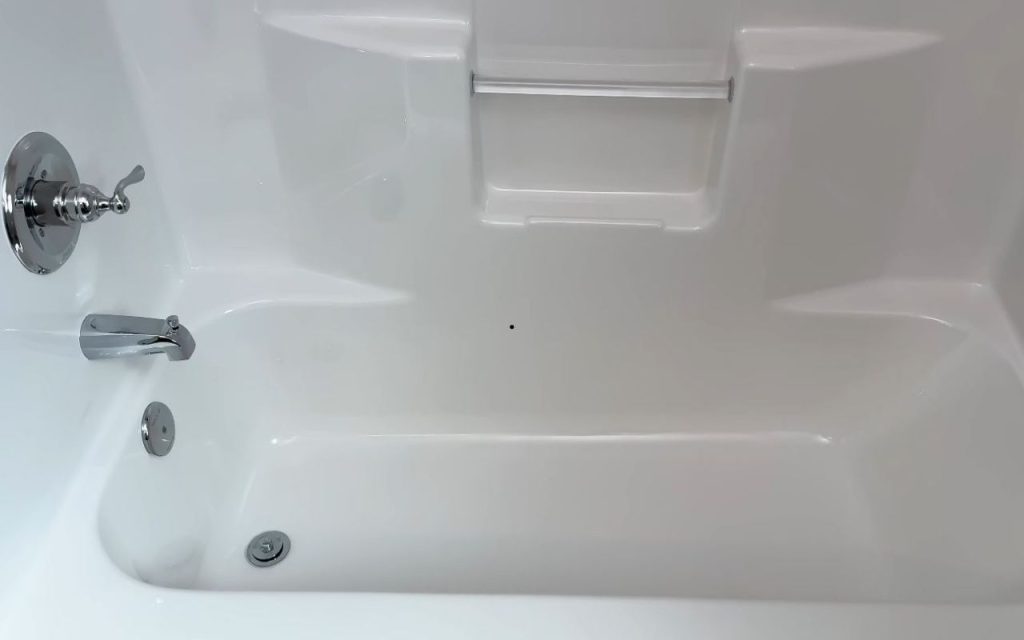
Supplies Needed
- Basket or bucket (for removing items)
- A cup (for rinsing)
- Ventilation (open window or fan)
- Versatile sponge or scrubber
- Simple brush with soft bristles
- Optional: Drill brush scrubber (ensure soft brushes are used)
- Optional (for heavy buildup): Razor blade scraper
- Two dry, clean microfiber cloths
- Cleaning Solution (Choose One or Both):
- DIY Vinegar Mix:
- 1 cup Water
- 1 cup Vinegar
- 1 teaspoon Dish Soap (a blue formula is recommended)
- Gentle Store-Bought Cleaner:
- Surface cleaning spray (strong enough for hard water and soap scum, but gentle enough to prevent damage).
- Soft cream cleaner (for textured, non-slip tub bases).
- DIY Vinegar Mix:
Step-by-Step Instructions
- Prepare the Area and Ensure Ventilation: Before beginning, remove all items from the shower area, such as shampoo bottles, and place them in a bucket or basket so they are not in the way. Next, ensure proper ventilation by opening a window or turning on the bathroom fan.
- Pre-Rinse the Tub: Use a cup to give the tub a quick rinse. This initial step helps remove the first layer of hair, debris, or other materials resting on the surface.
- Apply Your Chosen Cleaner: Begin spraying the cleaning solution evenly at the top of the shower walls and work your way down toward the tub. If you have mold or mildew present, the DIY vinegar mix is highly recommended as vinegar is excellent at breaking through these substances.
- Allow the Cleaner to Dwell: After application, the essential step is patience. Allow the cleaner to sit for approximately 5 to 10 minutes. This “dwell time” permits the solution to break down grime and deposits, making the actual scrubbing much easier. It is critical that the cleaner does not dry on the surface during this time.
- Address the Non-Slip Textured Base (If Applicable): For the textured, non-slip base of the tub, which often features grooves and crevices, a specific approach is beneficial. Apply a soft, cream-based cleaner to this area, as its thickness helps it penetrate deep into the texture. Scrub this area in using a brush or a drill scrubber, and then allow it to sit.
- Scrub the Surfaces: When scrubbing, work in sections, starting from the top and moving downward. Use tools appropriate for the grime level:
- For general cleaning, a versatile sponge/scrubber is effective as it is strong yet gentle. (Note: The sponge softens further if warmed up in warm water).
- For tough grime, use a simple brush, ensuring the bristles are soft to prevent damage.
- To cut scrubbing time, consider using a drill brush scrubber, which is highly effective for dirty showers.
- Tackle Severe Soap Scum (Pro Technique): If you encounter severe soap scum, a razor blade scraper can be used as a professional tip. If using this tool, follow three key rules: 1) The surface must always be wet. 2) Use a clean, new blade, as rust or debris on the blade will cause scratches. 3) Go slowly and do not push hard; the goal is simply to get underneath the soap scum to lift it off the surface.
- Rinse Thoroughly: Once scrubbing is complete and your shower is looking clean, rinse away the solution. To rinse evenly and avoid getting overly wet, fill a cup with water, place it against the surface, and slowly lift the bottom edge of the cup. Continue rinsing until you are certain all cleaner residue is completely gone from the surface.
- Wipe Down and Polish: To elevate the clean and ensure a streak-free, shining finish, wipe down all surfaces. Use two dry, clean microfiber cloths to remove all moisture. This step helps prevent hard water spots from developing and polishes the fixtures.
Additional Tips and Warnings
Safety and Surface Protection Warnings
- Test Cleaners First: Always test any cleaner, even the recommended options, on a small, inconspicuous area of the surface before applying it widely. Some overly strong cleaners can permanently etch or streak the tub, which often requires replacement to fix.
- Avoid Harsh Chemicals: A warning from professional cleaners is to never use the popular “hack” of cleaning your tub or shower with toilet bowl cleaner, as it is far too strong and has been known to permanently damage surfaces.
- Tool Caution: When using a drill brush scrubber, ensure the brushes are soft and not aggressive, as overly harsh brushes can damage the shower surface. Be aware that a drill brush may fling soap and water initially until you become accustomed to using it.
Maintenance Tips for a Longer-Lasting Clean
To keep your shower cleaner longer and minimize the need for deep cleaning:
- Squeegee After Use: After every shower, use a squeegee to remove all water from the surface. This action prevents the buildup of hard water and inhibits the growth of mold and mildew.
- Maximize Airflow: Run the bathroom fan or keep a window open to encourage fresh air circulation. This helps surfaces dry faster, preventing mold and mildew from growing.
- Weekly Maintenance Spray: Once a week, quickly spray down the shower using the DIY vinegar mix and wipe it down. This routine helps prevent soap scum and grime from building up, reducing the frequency of deep cleans.